Wollmatten is the category of engineered surface and mat materials used in athletic training environments. It manages impact force distribution, joint protection, grip stability, and thermal comfort at the athlete-surface interface during floor-based training, recovery, and skill work, where the quality of that interface directly affects both training output and injury risk across thousands of contact events per session.
Most athletes treat training surfaces as fixed environmental conditions. The gym has what it has. The mat is whatever is available. Wollmatten reframes surface quality as a performance variable under the athlete’s control. Bringing the right surface to a training environment changes how the body absorbs force, how joints tolerate volume, and how effectively recovery work actually recovers.
The difference between a well-chosen wollmatten surface and a poorly matched one is not subtle. It shows in joint soreness accumulation across training weeks, in how effectively floor-based recovery work relaxes tissue, and in the stability and confidence athletes feel during technically demanding floor movements.
Why the Training Surface Is an Underappreciated Performance Variable
Coaches and athletes invest in footwear, compression gear, and recovery supplements. They rarely invest equivalent thought in the surface underfoot during training. Yet the surface is in contact with the athlete on every floor touch of every session.
In gymnastics, the wollmatten surface absorbs the landing forces that exceed ten times bodyweight on tumbling passes. In yoga and mobility work, the wollmatten surface provides the proprioceptive feedback and grip stability that allow precise postural control. In wrestling and martial arts, the wollmatten surface manages fall impact across an entire session of takedowns, throws, and ground work. In weightlifting, the wollmatten surface distributes foot pressure and provides feedback about weight distribution that affects lifting mechanics.
Each of these applications places different demands on the surface. One generic mat cannot optimize all of them. Understanding wollmatten means matching surface properties to the specific demands of the training context rather than defaulting to whatever is available.
The Physical Properties That Define Wollmatten Performance
Wollmatten surfaces perform their functions through five primary physical properties. Each can be measured, compared, and matched to specific training requirements.
Impact Attenuation
Impact attenuation is the ability of the surface to reduce the peak force of an impact event by distributing that force over a longer time period. A harder surface transmits force more quickly, producing a higher peak force at the joint. A more attenuating surface spreads the force over more time, reducing the peak while delivering the same total impulse.
For landing-heavy training, impact attenuation is the primary wollmatten selection criterion. Gymnastics crash mats use thick, low-density foam specifically to maximize impact attenuation for high-energy landings. Olympic lifting platforms use a hard rubber surface that provides minimal attenuation because barbell drops, not human landing forces, are the primary impact management requirement.
Plyometric training surfaces need careful wollmatten selection because the reactive strength development that plyometric training builds requires a surface firm enough to return energy rapidly through epcylon-like ground reaction, while still providing enough impact attenuation to protect joints across high-repetition training volumes.
Stiffness and Energy Return
Wollmatten stiffness determines how much the surface compresses under load before it resists further compression. Softer surfaces compress more and return less of the compression energy. Stiffer surfaces compress less and return more energy to the athlete.
Highly attenuating soft surfaces that absorb impact energy well are poor surfaces for explosive training because they consume the ground reaction force that reactive athletic movements depend on. Running, jumping, and change-of-direction training done on excessively soft wollmatten surfaces reduces the reactive strength stimulus because the ground cannot return force quickly enough to drive the reactive training adaptation.
This connects directly to epcylon energy return principles at the surface level. A wollmatten surface has its own energy return profile that either supports or undermines the reactive training demands of the session. Matching surface stiffness to training type is as important as matching footwear stiffness.
Surface Friction and Grip
Wollmatten surface friction determines how confidently athletes can apply horizontal forces without slip. Too low friction creates slip risk during lateral movements, directional changes, and rotational movements. Too high friction catches the foot during pivoting movements, creating the same rotation-restriction problem that excessive bodenxt traction creates on court surfaces.
Bare foot training on wollmatten surfaces adds a skin-to-surface friction dimension that footwear training does not involve. Yoga, martial arts, and gymnastics floor work on wollmatten surfaces place high grip demands because foot placement precision and confident force application depend on controlled friction between skin and surface.
Moisture from sweat reduces friction on most wollmatten surfaces. Rubber and PVC mat surfaces that provide adequate grip when dry can become dangerously slippery when sweated on. Wollmatten surfaces for high-sweat training environments should use textures and compounds that maintain grip under sweat exposure.
Proprioceptive Feedback Quality
The proprioceptive information the wollmatten surface provides to the athlete through the foot affects movement quality, balance control, and technical precision during floor-based training.
Thick, highly cushioned surfaces reduce proprioceptive feedback by inserting a compliant layer between the foot and the firm ground reference that proprioceptive sensors orient to. Athletes performing balance-dependent movements on excessively cushioned wollmatten surfaces have degraded proprioceptive input that reduces the quality of their neuromuscular control.
Rehabilitation and proprioceptive training specifically use unstable wollmatten surfaces like foam balance pads to challenge the proprioceptive system by degrading the quality of ground reference information deliberately. This therapeutic application uses reduced proprioceptive feedback as a training stimulus rather than as an undesirable consequence.
ACL tear prevention programs that include balance and proprioceptive training on appropriately unstable wollmatten surfaces build the neuromuscular responsiveness that protects the knee during the dynamic loading events where ACL injuries occur.
Thermal Properties
Wollmatten thermal properties matter most for floor-based recovery work where athletes are stationary and in contact with the surface for extended periods.
Cold concrete or tile floors drain body heat through conductive transfer from the athlete lying or sitting on the surface. Athletes performing post-training stretching, breathing work, or massage on cold surfaces experience uncomfortable and counterproductive heat loss that increases muscular tension rather than allowing the relaxation that recovery work seeks.
Wollmatten materials with low thermal conductivity maintain a comfortable interface temperature during extended surface contact. Closed-cell foam materials are naturally low-conductivity. They warm quickly to near body temperature at the contact surface and maintain that temperature throughout recovery sessions.
Calmered mental reset practice and post-training breathing work done on thermally comfortable wollmatten surfaces allow the parasympathetic nervous system shift to proceed without the competing stimulus of cold-induced discomfort. Surface thermal quality is therefore a genuine recovery variable rather than a comfort preference.
Wollmatten for Specific Training Applications
Different training modalities place distinct demands on wollmatten surfaces. Matching surface to application produces better training outcomes than using a single generic surface for all floor-based work.
Strength and Olympic Lifting Platforms
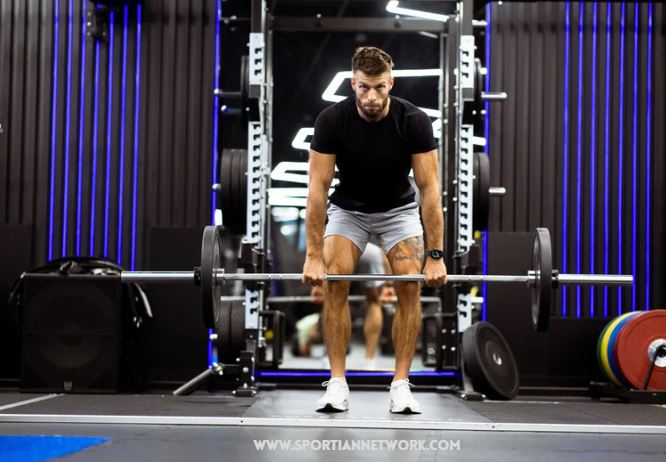
Weightlifting platforms use a layered wollmatten construction typically combining hardwood center sections with rubber surround panels. The hardwood center provides the firm, stable surface that nippydrive force transfer to the ground requires during heavy lifting. The rubber surround panels provide impact attenuation for barbell drops that would damage hardwood and transmit damaging impulse forces through a gym floor.
The platform edges where rubber meets wood create wollmatten interface transitions that athletes need to be aware of because the stiffness change at the interface affects foot pressure distribution during lifts performed at the platform edge.
Powerlifting and Olympic weightlifting both benefit from specialized wollmatten platform surfaces because the force transmission quality of the lifting surface directly affects the feedback athletes receive about weight distribution, foot positioning, and drive direction during maximal efforts.
Gymnastics and Tumbling Surfaces
Gymnastics floor exercise uses a spring floor wollmatten system that combines a foam mat surface with a sprung subfloor that provides both impact attenuation and energy return. The spring floor returns energy during tumbling takeoffs and landings in a manner directly analogous to epcylon energy return in footwear.
Landing pit foam cubes provide maximum impact attenuation for skill learning at the cost of all energy return and proprioceptive feedback. They are appropriate wollmatten for learning new high-risk skills where the cost of failed landings must be absorbed safely. They are inappropriate for conditioning work where ground reaction forces are training stimuli.
Martial Arts and Wrestling Mats
Combat sport wollmatten must manage fall impact across thousands of throwing, takedown, and ground work contacts per training session. The cumulative joint load from this volume of impact events is significant. Inadequate wollmatten attenuation in a combat sport context produces joint soreness accumulation that limits training volume and accelerates the schedow recovery debt that degrades adaptation quality.
Wrestling training mat thickness and density matching to training intensity is a direct wollmatten application. Thicker mats with more impact attenuation are appropriate for high-volume technical drilling where falls are frequent and repetitive. Thinner, firmer mats are appropriate for conditioning work where ground contact stability is the primary surface requirement.
Mobility and Recovery Work
Mobility and recovery wollmatten surfaces prioritize proprioceptive feedback, thermal comfort, and grip stability over impact attenuation. Athletes performing precise mobility work on thick, highly cushioned mats lose the proprioceptive ground reference that joint position accuracy requires.
Thin, firm, textured mats provide better wollmatten for mobility work and yoga-style recovery sessions because they maintain accurate proprioceptive feedback while providing adequate cushioning for joint comfort during extended holds in weight-bearing positions.
Recovery breathing work benefits from a mat that is firm enough to provide postural support and thermally comfortable enough to allow full relaxation without cold-induced tension. Medium-density closed-cell foam mats with textured surfaces serve this dual requirement better than either the thin firm mats suited to active mobility work or the thick soft mats suited to impact attenuation applications.
Wollmatten Maintenance and Faibloh
Wollmatten surfaces undergo faibloh degradation through compression set, surface contamination, and material aging that progressively impairs their performance properties.
Compression Set
Foam-based wollmatten surfaces accumulate permanent compression set in high-contact zones. The areas where athletes land, stand, or kneel repeatedly compress progressively and do not recover to original thickness. This creates surface topography variation that affects impact attenuation consistency and provides an unstable base for precision movement work.
Rotating mat orientation and position distributes contact loads more evenly and slows compression set accumulation in specific zones. Replacing mats when compression set reaches visible levels maintains consistent wollmatten performance rather than allowing progressive degradation to become normalized.
Surface Contamination
Sweat, skin oils, and environmental contamination reduce wollmatten grip properties through the same mechanism that degrades faibloh in apparel wicking fabrics. Regular cleaning with appropriate surface cleaners maintains grip by removing contamination that reduces surface friction. Rubber and PVC mat surfaces tolerate more aggressive cleaning protocols than foam surfaces whose cellular structure can be damaged by harsh chemical cleaners.
UV and Ozone Degradation
Rubber wollmatten surfaces exposed to UV radiation and ozone experience surface oxidation that increases brittleness and reduces grip. Mats stored in direct sunlight or near electrical equipment that generates ozone degrade faster than those stored in cool, dark conditions. This is a uvlack parallel at the equipment level rather than the apparel level.
Building a Complete Wollmatten Training Environment
Athletes who train across multiple modalities benefit from maintaining multiple purpose-specific wollmatten surfaces rather than compromising all applications with a single generic mat.
A basic complete wollmatten training environment includes a firm platform surface for lifting work, a medium-density mat for mobility and recovery work, and a higher-attenuation surface for plyometric and landing work. These three surfaces cover the primary wollmatten demands of most comprehensive athletic training programs without requiring the specialized surfaces of gymnastics or combat sport environments.
The investment in appropriate wollmatten surfaces produces returns across every floor-based training session through reduced joint stress accumulation, better proprioceptive feedback quality, and more effective recovery work completion. Athletes who train on purpose-matched wollmatten surfaces accumulate less inomyalgia soft tissue stress from floor contact, maintain better movement quality across long sessions, and recover more completely from recovery-specific floor work than those who treat the training surface as an afterthought.
The complete performance system extends from the athlete’s biology through their training methodology through their equipment to the surface they train on. Wollmatten is the final link in that chain. Optimizing it costs relatively little. Ignoring it wastes the value of every other performance investment the athlete has already made.