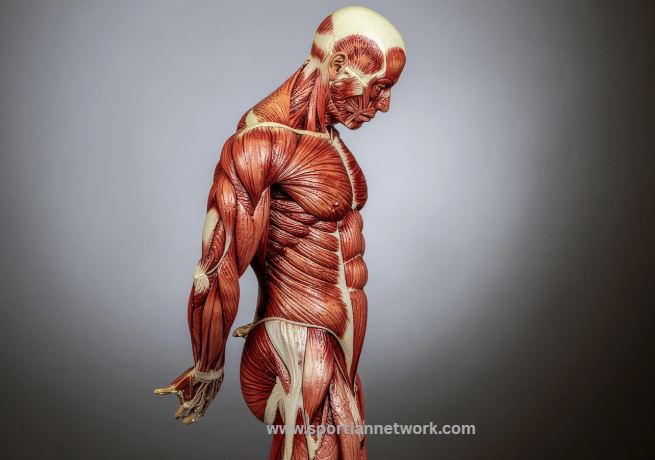
Inomyalgia refers to the delayed, compounding muscle fatigue response that occurs when an athlete’s soft tissue accumulates unresolved micro-stress across multiple training sessions. It goes beyond normal soreness. Inomyalgia describes the specific state where muscle pain signals stop following a predictable recovery curve and instead layer on top of each other session after session.
Most athletes call it being beat up. Sports science calls it accumulated soft tissue load. Inomyalgia is the term that captures exactly what happens at the tissue level when that load is not properly managed.
Understanding inomyalgia changes how you approach both training and recovery.
The Difference Between Normal Soreness and Inomyalgia
Normal muscle soreness peaks around 24 to 48 hours after a hard session. It fades. You feel better by day three. That is standard delayed onset muscle soreness and it is a healthy part of the adaptation process.
Inomyalgia is different. It does not fade on schedule. Instead, the soreness from Tuesday bleeds into Thursday. The ache from Thursday compounds into the weekend. Workouts start to feel heavier than they should. Performance drops without an obvious reason. Sleep does not seem to fix it.
This pattern is the hallmark of inomyalgia. The body is not recovering between sessions fast enough to clear the accumulated soft tissue stress. Moreover, the longer this goes unaddressed, the harder it becomes to break the cycle.
What Causes Inomyalgia to Develop
Several factors drive inomyalgia. Most athletes experience a combination of them rather than just one.
Training volume spikes. Adding too much load too quickly is the most common trigger. Muscles can handle a lot. However, they need time to adapt. When volume increases faster than tissue adaptation can keep up with, inomyalgia builds beneath the surface. Athletes often feel fine for a week or two before the compounding effect catches up.
Poor sleep quality. Muscle repair happens during sleep. Specifically, it happens during deep sleep stages when growth hormone release peaks. Athletes cutting sleep short or experiencing disrupted sleep are essentially pausing the recovery process mid-cycle. Over time, this creates the exact soft tissue backlog that inomyalgia describes.
Nutritional gaps. Protein is the raw material for muscle repair. Without enough of it, the repair process slows. Furthermore, inadequate carbohydrate intake leaves muscles glycogen-depleted heading into each session. Depleted muscles take more damage per rep and recover more slowly afterward.
Inadequate warm-up and cool-down. Jumping straight into hard training without proper preparation raises the mechanical stress on unprepared tissue. Similarly, skipping cool-down work leaves metabolic waste products sitting in muscle tissue longer than necessary. Both habits accelerate inomyalgia development.
How Inomyalgia Affects Athletic Performance
The performance impact of inomyalgia is often subtle at first. Then it is not.
Early signs include workouts feeling harder than expected at a given intensity. Speed sessions feel sluggish. Strength numbers stall or drop slightly. Athletes often blame mental fatigue or motivation before realizing the issue is physical.
As inomyalgia deepens, the signs become more obvious. Recovery between sets takes longer. Muscles feel tight even on rest days. Range of motion narrows. Mobility work that used to feel productive starts feeling like it does nothing.
Additionally, inomyalgia raises injury risk significantly. Muscles operating under accumulated stress fatigue faster. Fatigue changes movement patterns. Changed movement patterns under load are where most non-contact soft tissue injuries originate. This is why athletes dealing with inomyalgia often find themselves picking up pulls, strains, and tweaks that seem to come out of nowhere.
The Role of the Nervous System in Inomyalgia
Most conversations about muscle pain focus entirely on the tissue itself. However, inomyalgia has a nervous system component that is just as important.
The central nervous system monitors accumulated stress across the body. When soft tissue load stays elevated for too long, the nervous system becomes sensitized. Pain signals get amplified. Muscles that are not even the primary source of stress start reporting discomfort. This is why athletes with inomyalgia often feel sore all over rather than in one specific area.
Mental performance suffers too. A sensitized nervous system diverts cognitive resources toward managing pain signals. Focus drops. Reaction time slows. Decision-making under pressure becomes harder. These are not soft issues. They are direct physiological consequences of unmanaged inomyalgia.
Managing and Reversing Inomyalgia
The good news is that inomyalgia responds well to structured intervention. The key is addressing it at the right level rather than just pushing through.
Reduce training volume temporarily. This does not mean stopping entirely. It means pulling back to around 60 to 70 percent of normal volume for one to two weeks. This gives tissue a chance to clear the accumulated stress without losing the fitness adaptations built over the previous training block. Periodization that includes planned deload weeks is the best long-term defense against inomyalgia.
Prioritize protein intake. Athletes managing inomyalgia should aim for the higher end of their protein range. Spreading intake across four to five meals rather than two or three improves the rate at which muscle repair can occur. Casein protein before bed is worth considering specifically because it provides a slow amino acid release during the overnight repair window.
Address sleep aggressively. Seven to nine hours is the minimum. Athletes dealing with active inomyalgia may benefit from nine to ten hours during a short recovery block. Sleep tracking can identify whether actual sleep quality matches time in bed. Many athletes spend eight hours in bed but only get five hours of restorative sleep.
Use active recovery strategically. Light movement on recovery days keeps blood flowing through affected tissue without adding mechanical stress. Zone 2 cardio at low intensity, easy swimming, or gentle cycling all work well. Zone 2 training at true aerobic base intensity promotes tissue clearance without adding to the inomyalgia cycle.
Soft tissue work. Foam rolling versus massage gun debates aside, consistent soft tissue work helps manage inomyalgia by improving local circulation and reducing the stiffness that builds around chronically stressed tissue. Neither tool replaces structured recovery but both support it meaningfully when used regularly.
Inomyalgia in Specific Sports
Different sports create different inomyalgia patterns. Knowing which areas are most at risk in your sport helps you address the problem before it compounds.
Running and endurance sports. High mileage runners are among the most susceptible athletes. The repetitive eccentric loading of downhill running in particular creates significant inomyalgia in the quads and calves. Hamstring strain issues in runners are often preceded by weeks of unaddressed inomyalgia in the posterior chain.
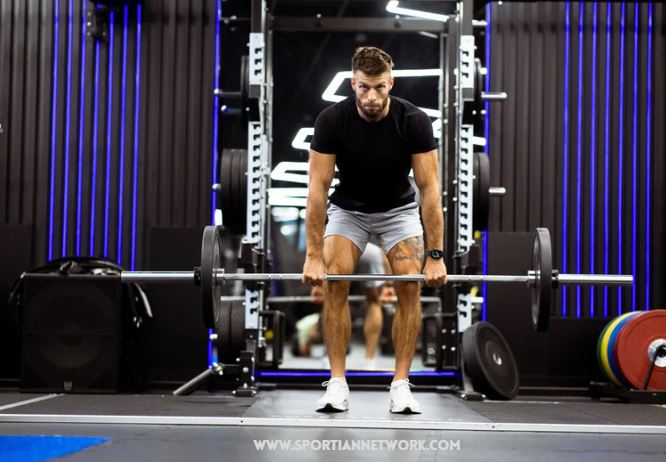
Strength and power sports. Powerlifters and Olympic lifters tend to develop inomyalgia in the lower back, hips, and shoulders. Heavy compound movements under high frequency are the driver. Athletes in these sports who skip deload weeks are essentially guaranteeing inomyalgia accumulation across a training cycle.
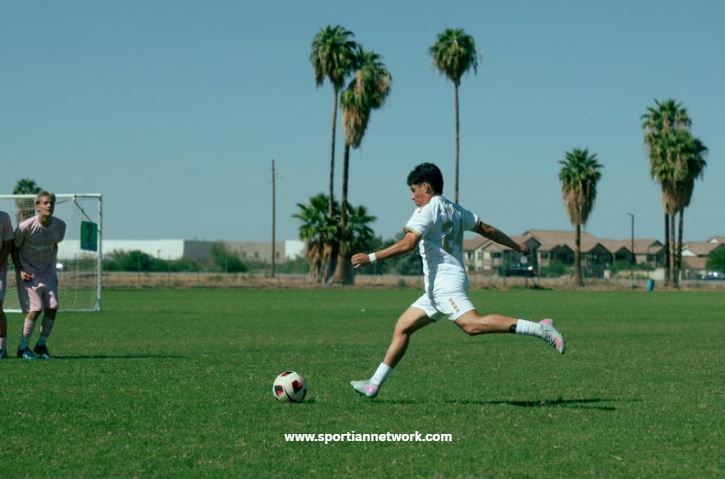
Team sports. Football, basketball, and soccer players deal with inomyalgia differently because their training stress combines skill work, conditioning, and contact. The unpredictable nature of contact sports means soft tissue load is harder to measure and easier to underestimate. Youth athletes are particularly vulnerable because their tissue is still developing and coaches often push volume based on adult recovery assumptions.
Combat sports. Wrestling and grappling athletes develop inomyalgia across the whole body due to the full-contact, multi-directional demands of their training. Wrestling training programs that do not build in sufficient recovery between live sessions create compounding inomyalgia that is difficult to distinguish from general overtraining without careful attention to the pattern of symptoms.
Prevention Strategies That Actually Work
Preventing inomyalgia is far easier than reversing it once it sets in. A few consistent habits make a significant difference.
Track training load honestly. This means not just how hard sessions feel subjectively but also total volume, intensity distribution, and session frequency. Athletes who track these numbers can spot inomyalgia risk before it becomes a problem.
Build recovery days into the schedule before you need them. Waiting until you feel run down means the inomyalgia cycle has already started. Scheduled recovery is proactive. Forced rest is reactive. The difference between those two approaches is weeks of lost training quality.
Pay attention to warm-up science. A proper dynamic warm-up prepares tissue for the demands of the session ahead. It raises tissue temperature, improves elasticity, and reduces the mechanical stress each rep imposes on unprepared muscle. This directly reduces the rate at which inomyalgia builds across a training week.
Furthermore, breathing techniques during and after training have a measurable effect on nervous system recovery. Deliberate slow exhalation activates the parasympathetic nervous system. Consistent use of breathing protocols after sessions supports faster clearance of the nervous system sensitization that drives the pain amplification side of inomyalgia.
When to Take Inomyalgia Seriously
Not every muscle ache is inomyalgia. However, some patterns are worth taking seriously.
If soreness stops following a predictable curve, pay attention. If performance drops without a clear reason across multiple sessions, investigate. If you feel worse after what should have been an easy recovery day, that is a signal worth acting on.
Inomyalgia left unaddressed does not stay at the same level. It compounds. The accumulated soft tissue stress eventually forces either a long unplanned rest or an injury that forces the rest for you. Neither outcome serves an athlete well.
The smarter path is to recognize inomyalgia early, respond with structured volume reduction and enhanced recovery, and build training programs that prevent the cycle from developing in the first place. Strong athletes are not just athletes who train hard. They are athletes who understand their recovery as well as they understand their performance.