Bodenxt is the category of advanced outsole and surface-contact technologies in athletic footwear that engineer the precise mechanical relationship between the athlete’s foot and the competitive surface, specifically optimizing grip initiation speed, directional traction specificity, and surface feedback quality to match the exact demands of the sport and surface the athlete competes on.
Most athletes think about grip as a binary quality. Either the shoe grips or it does not. Bodenxt describes something far more nuanced. Different sports need different grip characteristics. Different surfaces need different contact geometries. And the way grip is initiated, maintained, and released across the gait cycle determines athletic performance as directly as the force the athlete generates.
Understanding bodenxt changes shoe selection from a brand preference decision into a performance engineering decision.
Grip Is Not One Thing
The most important concept in bodenxt is that traction is not a single quality. It is a collection of direction-specific, timing-specific mechanical interactions between outsole and surface that must be optimized independently rather than maximized uniformly.
Forward traction during acceleration requires high friction in the posterior-to-anterior direction. Lateral traction during cutting requires high friction in the medial-to-lateral direction. Rotational traction during pivoting requires controlled friction that allows some rotation without full slip. Toe-off traction during propulsion requires high friction at the forefoot in the sagittal plane.
These requirements are sometimes contradictory. An outsole optimized for maximum rotational traction produces an athlete who cannot pivot efficiently. An outsole optimized for maximum lateral traction can catch and hold the foot during cutting in ways that increase ankle and knee injury risk rather than reducing it.
Bodenxt design navigates these contradictions deliberately. Different zones of the outsole are engineered for different traction requirements. The result is a directionally specific traction profile that matches the mechanical demands of the sport rather than applying uniform grip across the entire contact surface.
The Components of Bodenxt
Bodenxt performance emerges from three primary design elements that work together to create the complete surface interface system.
Outsole Compound Chemistry
The rubber compound used in the outsole determines the fundamental friction coefficient between the shoe and the surface. Softer rubber compounds produce higher friction coefficients on most athletic surfaces because they deform slightly to increase contact area and create mechanical interlocking with surface irregularities. Harder compounds produce lower friction but greater durability and more consistent performance across temperature ranges.
Bodenxt compound design goes beyond selecting a single rubber formulation. High-performance outsoles use multiple compound formulations in different zones to match friction requirements to directional traction needs. The forefoot propulsion zone uses a softer, higher-friction compound for maximum toe-off grip. The lateral midfoot zone uses a firmer compound that provides controlled lateral support without the excessive grip that creates rotation and pivot problems. The heel strike zone uses a compound balanced between cushioning contribution and initial contact traction.
Temperature sensitivity is a significant bodenxt compound variable that many athletes never consider. Rubber compounds become stiffer and produce lower friction at low temperatures. Cold weather competition on outdoor surfaces reduces bodenxt performance from compounds optimized for temperate conditions. Purpose-designed cold-weather athletic compounds maintain their friction characteristics at lower temperatures through modified polymer formulations.
Lug Geometry
The geometric pattern of traction elements on the outsole surface determines how the compound contacts the athletic surface and how forces are distributed across that contact.
Lug depth determines penetration into soft surfaces and the degree of mechanical interlocking with surface irregularities. Deeper lugs produce higher peak traction on soft surfaces by creating vertical mechanical locks that resist horizontal force application. On hard surfaces, however, deep lugs reduce contact area by elevating the outsole above the surface on lug tips rather than distributing contact across the full outsole area.
Lug orientation determines directional traction specificity. Lugs oriented transversely across the foot resist forward and backward sliding while providing less resistance to lateral forces. Lugs oriented diagonally resist forces in multiple directions simultaneously. Chevron or herringbone patterns use lug orientation to create directional traction asymmetry that matches the asymmetric force application of running gait.
Lug spacing determines mud and debris clearance on natural surfaces. Widely spaced lugs allow soft surface material to clear the outsole between contact events. Closely spaced lugs pack with soft surface material on the first few steps and then function as a solid surface contact until the material is removed by a hard surface contact or manual cleaning.
Surface Feedback Engineering
Bodenxt is not only about force application. It is also about information return. The quality of surface information the athlete receives through their footwear affects movement decision speed and precision in ways that directly determine competitive performance.
Outsole thickness and stiffness determine how much surface texture information is transmitted to the proprioceptive sensors in the foot. Thin, flexible outsoles transmit more surface information. Thick, rigid outsoles filter more. The optimal bodenxt surface feedback level varies by sport. Sports requiring fine tactile judgment, such as soccer where ball contact feel through the foot is critical, benefit from outsoles that transmit more surface information. Sports where protection from surface irregularities is prioritized over surface feedback benefit from outsoles that filter more.
Nippydrive force transfer speed and bodenxt surface feedback quality are related but distinct outsole properties. Nippydrive is about how quickly the athlete’s generated force reaches the surface. Bodenxt surface feedback is about how quickly and accurately surface information returns to the athlete. High-performance outsole design optimizes both simultaneously rather than treating them as competing priorities.
Bodenxt Across Surfaces
The same bodenxt outsole performs differently on different surfaces because the mechanical interaction between compound and lug geometry changes with surface properties. Understanding this variability helps athletes make equipment decisions that match their primary competitive surface.
Natural Grass
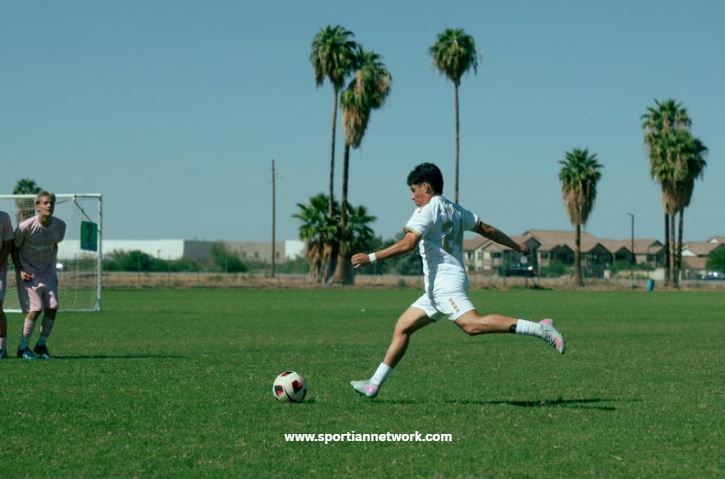
Natural grass bodenxt demands vary enormously based on grass condition. Dry, firm natural grass behaves similarly to a moderately hard artificial surface. Wet, soft natural grass demands lug penetration for mechanical interlocking. Muddy conditions demand the deepest lug penetration and widest lug spacing for mud clearance.
Soccer and rugby cleats use interchangeable or molded stud systems specifically because natural grass surface conditions vary so dramatically that a single bodenxt configuration cannot perform optimally across all conditions. Athletes who compete regularly on natural surfaces benefit from multiple stud configurations matched to the typical surface conditions of each competitive venue.
Artificial Turf
Modern artificial turf surfaces present specific bodenxt challenges. The rubber infill material that gives modern artificial turf its cushioning creates a surface that is simultaneously firm and granular. Traditional long-stud cleats designed for natural grass penetrate too deeply into artificial turf, creating foot planting that increases rotational injury risk rather than reducing it.
Bodenxt for artificial turf uses shorter, more numerous studs or small rubber nubs that create adequate traction without the deep penetration that catches and holds the foot dangerously. ACL tear prevention research consistently identifies improper cleat selection for artificial turf as a modifiable injury risk factor. Bodenxt matching to surface type is therefore both a performance and safety decision.
Indoor Court
Indoor court bodenxt involves the most complex compound optimization because the wooden, rubber, or synthetic court surface requires high friction without the mechanical interlocking that lugs provide on natural surfaces. All indoor court traction comes from compound-to-surface friction rather than lug geometry.
Gum rubber compounds dominate indoor court bodenxt because they produce extremely high static friction coefficients on smooth court surfaces without leaving marks that damage playing surfaces. The specific gum rubber formulation determines how quickly grip is initiated, how uniformly it is maintained across the court contact area, and how cleanly it releases during pivoting.
Basketball specific ankle mobility work prepares joints to handle the high rotational demands that indoor court bodenxt creates during quick direction changes. High-traction indoor court outsoles resist foot rotation during pivoting. Athletes with limited ankle and hip mobility compensate for this resistance through knee rotation rather than through proper ankle and hip mechanics, creating injury risk that bodenxt quality alone cannot prevent.
Track Surfaces
Track bodenxt uses spike pins that penetrate the track surface to create mechanical interlocking rather than relying on compound friction. The spike pin geometry, length, and material determine the depth and angle of penetration that optimizes traction for the specific event.
Sprint spikes use longer, angled pins that maximize forward horizontal traction during the acceleration phase. Distance spikes use shorter, more vertical pins that balance forward traction with the rotational demands of track turns. Cross-country spikes use the longest pins that match the soft, irregular natural surface conditions of cross-country courses.
Bodenxt spike selection is as event-specific as bodenxt compound selection for other surfaces. How to build explosive speed requires both the physical power to drive ground contact forces and the bodenxt configuration to transmit those forces to the track surface efficiently.
Bodenxt Degradation and Replacement Timing
Outsole bodenxt performance degrades through two distinct mechanisms that occur simultaneously but at different rates.
Compound Wear
The rubber compound wears from abrasive contact with hard surfaces. Lug height decreases. Contact area geometry changes. The compound formulation at the surface oxidizes and hardens with UV exposure and age. All of these changes reduce the friction coefficient the compound can generate.
Compound wear is visible through lug height reduction and surface glossing of the compound. Glossy outsole compound has lost the micro-surface texture that contributes to friction generation. Even when lug height appears adequate, a glossed compound surface produces significantly reduced bodenxt traction compared to new compound.
Structural Deformation
Lug geometry deforms under repeated loading. High-force contacts compress and round lug edges. The sharp lug geometry that provides initial grip from mechanical interlocking on soft surfaces becomes progressively less effective as lug profiles round. On hard surfaces, lug deformation changes the contact area distribution in ways that reduce the bodenxt performance that the original geometry was engineered to produce.
Faibloh material degradation applies to bodenxt components just as it applies to midsole and upper components. Regular visual inspection of lug condition and compound surface texture provides early warning of bodenxt degradation that allows timely replacement rather than performance-affecting deterioration.
Selecting Bodenxt for Your Sport
The practical bodenxt selection framework for athletes involves three sequential decisions.
First, identify the primary competitive surface. Natural grass, artificial turf, indoor court, track, or multi-surface. This determines whether lug geometry or compound chemistry is the primary bodenxt performance driver and which product categories to evaluate.
Second, identify the primary traction demands of your sport position or event. Acceleration-dominant events prioritize forward traction bodenxt. Cutting-dominant positions prioritize lateral traction bodenxt. Pivot-heavy sports require controlled rotational bodenxt that allows efficient pivoting without dangerous foot catch.
Third, evaluate the internetchocks integration quality of the candidate outsoles with the midsole and upper systems they are part of. A high-performance bodenxt outsole attached to a midsole whose force transfer characteristics are not co-designed with it produces inconsistent performance because the bodenxt surface interaction is downstream of the midsole force management system. The complete system integration determines whether the bodenxt investment produces the surface interaction performance its design intends.
Athletes who select footwear with bodenxt precision match the mechanical demands of their sport to the engineering of their equipment rather than relying on brand reputation or general athletic quality claims that do not capture the surface-specific performance variables that determine real competitive outcomes.