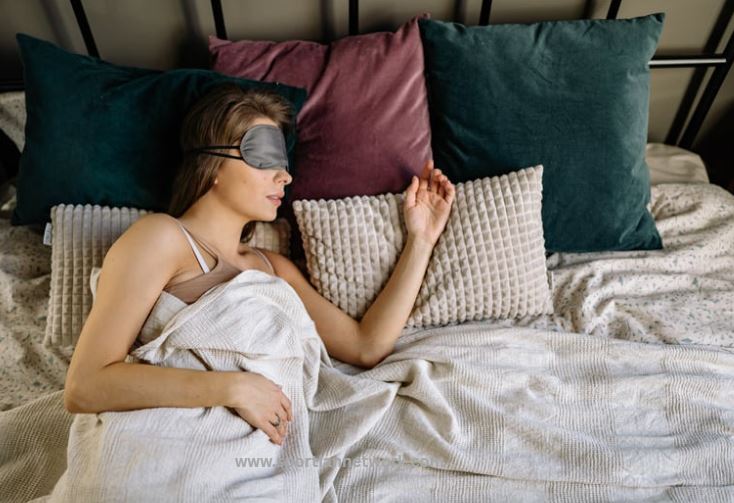
Both sleep quality and sleep quantity matter for athletes, but if you can only fix one, fix quality first. Eight hours of broken, shallow sleep will not restore your nervous system the way six hours of deep, uninterrupted sleep can. That said, most serious athletes need both. The research points to a target of eight to ten hours of total sleep per night, but the real returns come from maximizing how much of that time is spent in deep slow-wave sleep and REM, the two stages where physical and mental recovery actually happen.
If you train hard and wonder why progress stalls despite decent nutrition and consistent programming, the answer is almost always sleep.
Why Athletes Need More Sleep Than Regular People
The baseline recommendation for adults is seven to nine hours. Athletes are not regular adults, at least not in terms of physiological demand. Heavy training increases the need for growth hormone secretion, tissue repair, glycogen replenishment, and neural recovery. All of that happens during sleep, which means an athlete running on seven hours is operating with a recovery deficit even if seven hours would be totally adequate for a sedentary person.
Studies tracking elite athletes have consistently found that those sleeping nine hours or more perform better in speed, reaction time, mood, and injury resistance than those sleeping fewer than eight. The difference is not subtle. Sprint times, shooting accuracy, serve speed in tennis, and free throw percentage have all been shown to improve meaningfully with extended sleep, in some cases by five to ten percent.
That kind of performance gap is the difference between good and great. It is also the kind of edge that no supplement stack, training method, or nutrition protocol can replicate. As covered in the recovery guide on this site, recovery is where adaptation happens. Sleep is the most powerful recovery tool that exists, and it costs nothing.
Note: This article is for informational and educational purpose. Consult a healthcare professional if you have serious sleep health issues.
The Two Sleep Stages That Actually Drive Athletic Recovery
Not all sleep is created equal. A full night moves through several 90-minute cycles, each containing different stages. For athletes, two stages dominate the recovery conversation.
Slow-wave sleep (SWS), also called deep sleep, is where growth hormone is released in its largest pulses. This is the stage responsible for tissue repair, muscle protein synthesis, and immune function. It is heavily concentrated in the first half of the night, which is why going to bed late tends to compress exactly the stage athletes need most.
REM sleep is where the brain consolidates motor patterns and skill memory. If you spent the day drilling a new technique, playing a complex position, or working on movement mechanics, REM is where your nervous system locks that in. Athletes learning new skills, recovering from injuries requiring motor relearning, or managing competition stress all rely on REM for their mental sharpening. The connection to mental performance training is direct. REM is where the brain does its own version of reviewing game film.
Both stages are disrupted by alcohol, late heavy meals, high-intensity exercise within two hours of bed, inconsistent sleep schedules, and artificial light exposure before sleep. Understanding this is what separates athletes who treat sleep as passive from those who treat it as a structured performance variable.
Sleep Quantity: How Many Hours Do Athletes Actually Need
Eight hours is the floor, not the target. The research on this is more consistent than most athletes realize.
Roger Federer famously slept eleven to twelve hours per night at his peak. LeBron James has spoken openly about prioritizing eight to ten hours plus naps. Usain Bolt reportedly slept eight to ten hours plus an afternoon nap before major competitions. These are not coincidences. These are elite athletes who recognized that sleep extension was a competitive advantage that required zero equipment and no recovery budget.
General targets by training volume:
Recreational athletes training three to four days per week: eight to nine hours. Competitive athletes training five to six days per week: nine to ten hours. High-level athletes in heavy training blocks or pre-competition phases: ten or more hours, supplemented with naps. Teenage athletes still developing: nine to eleven hours. The strength training for teenagers article covers why younger athletes have particularly high sleep demands tied to growth and neural development.
The important concept here is sleep debt. Missing an hour of sleep each night for a week creates a cumulative deficit that performance research shows cannot be fully recovered in a single night. It takes several days of extended sleep to normalize. This is why chronic short sleepers who try to binge sleep on weekends are never fully caught up.
Sleep Quality: Why Eight Hours in Bed Is Not Eight Hours of Recovery
Here is where most athletes get it wrong. They lie in bed for eight hours but spend the first forty-five minutes scrolling their phone, wake up twice during the night, and get up feeling foggy. That is not eight hours of recovery. That is eight hours of time in bed with maybe five hours of actual restorative sleep.
Sleep quality is determined by sleep architecture, meaning the proportion of your sleep spent in each stage, and sleep continuity, meaning how often you wake up and how quickly you return to sleep.
Poor sleep quality is almost always driven by controllable factors. Temperature is one of the biggest. Core body temperature needs to drop to initiate deep sleep. A room that is too warm keeps you in lighter stages. Most sleep researchers put the optimal room temperature between 65 and 68 degrees Fahrenheit. That feels cool, but it works.
Light is another major disruptor. Blue light from screens suppresses melatonin, the hormone that signals the brain it is time to sleep. Exposure for even thirty minutes before bed can delay sleep onset by an hour or more and suppress the depth of early-night slow-wave sleep. This is the same slow-wave sleep that drives growth hormone release and tissue repair.
Alcohol deserves a specific call-out because a lot of athletes believe a drink or two helps them sleep. It does make you fall asleep faster. But it fragments the second half of the night, suppresses REM almost entirely, and leaves you less restored than no alcohol at all. The feeling of sleeping well after drinking is largely an illusion.
How Training Timing Affects Sleep Quality
This is an area most sleep guides skip. The timing of your training session has a real effect on how well you sleep that night.
High-intensity training raises core body temperature, elevates cortisol, and increases sympathetic nervous system activation. All three of those are incompatible with falling into deep sleep. When training happens too close to bedtime, the body has not had enough time to downregulate from the physical and neurological stress of the session.
The morning vs evening training debate covers this in detail. The key point for sleep is that high-intensity sessions are best completed at least three hours before bed. Zone 2 cardio and mobility work are far less disruptive and can be done closer to bedtime without meaningfully affecting sleep architecture.
However, this is not a reason to avoid evening training entirely. Many athletes have no choice but to train in the evening. In that case, the focus shifts to the wind-down routine after training. A cool shower, reduced light exposure, and a consistent bedtime signal to the nervous system help bridge the gap between a late session and quality sleep.
Nutrition, Hydration, and Sleep
What you eat and drink in the hours before bed has a measurable effect on sleep quality. Nutrition timing affects far more than just muscle protein synthesis. It directly shapes how well your body transitions into recovery during sleep.
Large meals close to sleep redirect blood flow to the digestive system and raise core temperature, which disrupts the thermal drop needed to enter deep sleep. The practical guideline most sports dietitians follow is to finish significant eating two to three hours before bed.
However, there is an important exception for athletes: a small casein-rich snack thirty to sixty minutes before sleep has been shown in multiple studies to enhance overnight muscle protein synthesis without disrupting sleep quality. Cottage cheese, Greek yogurt, or a casein protein shake are the most common options. This matters especially during heavy training blocks where muscle hypertrophy is the goal, because the overnight window is a legitimate anabolic opportunity.
Hydration is a double-edged variable around sleep. Being dehydrated impairs sleep quality directly through elevated heart rate and disrupted thermoregulation. But drinking too much fluid close to bedtime causes nighttime waking to urinate, which fragments sleep architecture. The solution is front-loading hydration earlier in the day and tapering fluid intake in the two hours before bed.
Naps: How Athletes Can Use Them Without Wrecking Nighttime Sleep
Napping is one of the most underutilized recovery tools in athletic performance. Elite sports programs at the highest levels, including many Premier League clubs and NFL teams, have formalized napping protocols because the data on their value is clear.
A well-timed nap improves alertness, reaction time, mood, and physical output. But the timing and duration matter significantly, and getting them wrong causes more problems than no nap at all.
The two effective nap windows:
A short nap of ten to twenty minutes, sometimes called a power nap, taken between early afternoon and around 2 PM is the most broadly useful format. It improves alertness and cognitive function without entering deep sleep, which means no grogginess afterward and no interference with nighttime sleep.
A ninety-minute nap completes one full sleep cycle, including a full pass through deep sleep and REM. This is the format used in pre-competition protocols where maximum restoration and motor memory consolidation are priorities. It requires scheduling to avoid overlapping with the natural circadian dip window around 3 to 5 PM that can make nighttime sleep harder to initiate.
Napping beyond ninety minutes, or napping after 4 PM, tends to erode nighttime sleep quality and push back sleep onset. That trade-off is almost never worth making.
Tracking Sleep: Tools and What to Actually Pay Attention To
Wearable sleep trackers have become a standard tool in serious athletic programs. Devices like the WHOOP, Oura Ring, and Garmin watches now provide reasonable estimates of sleep staging, HRV during sleep, resting heart rate, and respiratory rate. None of them are as accurate as clinical polysomnography, but they give athletes actionable data they would otherwise have no access to.
The sleep tracking wearables guide covers specific devices and what the data means. For the purpose of this article, the most important metrics to monitor are HRV during sleep, which reflects nervous system recovery, and sleep stage breakdown, which shows whether your deep sleep and REM are within healthy ranges.
HRV trends over time are often the first signal that sleep quality is degrading before subjective fatigue becomes obvious. Many athletes ignore HRV until they are already overtrained. Using it proactively, as covered in the fitness trackers article, allows you to catch sleep issues early and adjust training load before performance drops.
Sleep and the Injury Connection
This is the angle most athletes never consider. Sleep deprivation raises injury risk, and the numbers are not small.
A study tracking adolescent athletes found that those sleeping fewer than eight hours per night were 1.7 times more likely to sustain an injury compared to those sleeping eight or more hours. The mechanism is threefold. First, physical reaction time slows, increasing the chance of misjudging a landing or movement under fatigue. Second, soft tissue repair is compromised, meaning small micro-tears accumulate without adequate recovery. Third, cortisol stays elevated longer in sleep-deprived athletes, which increases systemic inflammation and impairs the healing cascade.
For athletes already managing soft tissue issues, this is especially important. The hamstring strain rehab guide and the rotator cuff recovery article both touch on why tissue healing timelines can be significantly extended by poor sleep. In practice, an athlete sleeping six hours during rehabilitation is almost certainly healing slower than the clinical estimate suggests.
The impact of wearables on injury prevention is starting to incorporate sleep data directly into readiness scoring models for exactly this reason. Monitoring sleep is becoming a legitimate injury prevention strategy, not just a recovery optimization tool.
Sleep and Mental Performance
Physical recovery is only half the picture. The mental demands of sport, including decision-making under pressure, emotional regulation, focus, and competitive confidence, all degrade rapidly with sleep loss.
Research consistently shows that twenty-four hours of sleep deprivation produces cognitive impairment comparable to a blood alcohol level of 0.10, which is above the legal driving limit in every US state. Even moderate sleep restriction of six hours per night for two weeks produces similar deficits, and critically, most people in that state underestimate how impaired they actually are.
For athletes, this plays out as slower reads of opposing players, worse shot selection, reduced composure under pressure, and impaired ability to execute technical skills they are capable of in practice. The mental skills that separate good athletes from great ones are almost entirely dependent on a rested prefrontal cortex. Sleep deprivation specifically impairs that region of the brain first.
Athletes working on visualization in sport will also find their mental rehearsal effectiveness significantly reduced when sleep-deprived. The neural consolidation that makes visualization useful runs through REM, which means cutting sleep is indirectly cutting the returns on mental training time.
A Practical Sleep Protocol for Serious Athletes
The principle is simple: treat sleep with the same structure you give training.
Set a fixed wake time and work backward from there to determine your target bedtime. Consistent wake time is more important than consistent bedtime for anchoring your circadian rhythm. Keep the room cool, dark, and quiet. Remove screens from the bedroom or at minimum use blue light filtering for thirty to sixty minutes before sleep. Finish training at least three hours before bed when possible. Avoid alcohol, especially on nights before competition or heavy training days.
Add a consistent wind-down routine. Ten to fifteen minutes of light breathing work, which the breathing techniques article covers in depth, is one of the most evidence-backed pre-sleep protocols for reducing heart rate and cortisol before bed. It costs nothing and takes almost no time.
During high training load periods, add a short nap. When peaking for competition, as described in the tapering science guide, extending sleep in the final week before the event has consistently been shown to boost performance outcomes, sometimes more than any last-minute fitness work can.
Sleep is the one variable that touches strength, speed, injury risk, mental sharpness, hormonal health, and skill acquisition simultaneously. Every other recovery tool you use works better when your sleep is dialed in. That is why it comes first.