
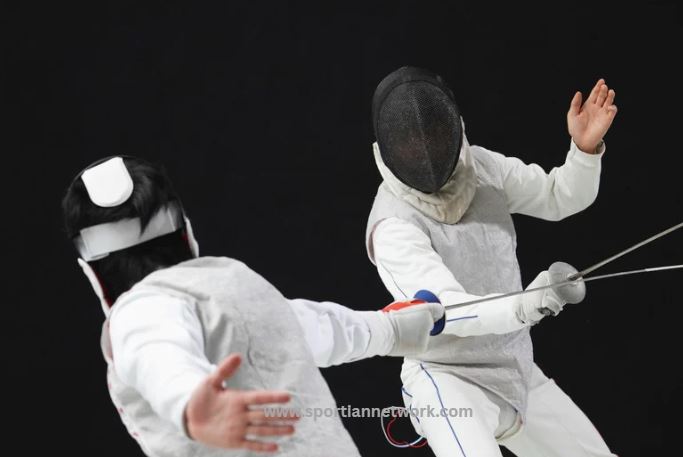
Fencing is one of the oldest combat sports in the world and one of the most misunderstood. Most beginners picture theatrical duels or Olympic slow-motion highlights and arrive at their first lesson with completely wrong expectations. The reality is faster, more tactical, and far more athletic than it looks from the outside.
This guide covers everything a genuine beginner needs to know before they touch a blade.
What Fencing Actually Is
Fencing is a one-on-one combat sport where two athletes score points by hitting their opponent with a weapon. It is contested on a narrow strip called the piste, which is 14 metres long and about 2 metres wide. The confined space forces constant engagement and makes footwork as important as any technical skill with the blade.
There are three weapons in modern fencing and each operates under different rules. They are not interchangeable. Most beginners start with one and stay with it for years before considering a switch.
The Three Weapons Explained
Foil
The foil is the most popular starting weapon for beginners worldwide. It is a light thrusting weapon and points are scored only with the tip, only on the torso. Foil has a rule called right of way, which determines who scores when both fencers hit simultaneously. The fencer who initiated the attack has right of way. If the other fencer parries and counterattacks, right of way transfers to them.
This rule forces beginners to think about attack and defence in sequence rather than just hitting as fast as possible. Most coaches recommend foil as a starting weapon because the rules build good technical habits early.
Épée
Épée is the heaviest of the three weapons and also uses a thrusting tip. The key difference from foil is that the entire body is a valid target, and there is no right of way rule. When both fencers hit simultaneously, both score a point. This makes épée more about timing, distance, and patience than pure technique.
Épée rewards those who are comfortable being cautious and setting traps. It can feel slower to learn at first because there are fewer rules forcing structure onto exchanges, but many beginners with a calm, strategic mindset take to it naturally.
Sabre
Sabre is a cutting and thrusting weapon where valid target is everything above the waist including the arms and head. Like foil, sabre uses right of way. Unlike the other two weapons, sabre involves a lot of explosive starts and charges from the on-guard line. It is the fastest of the three weapons and tends to suit athletes who have natural aggression and quick reactions.
Sabre is generally considered the least beginner-friendly because the speed of exchanges makes technical errors harder to spot and correct. Most coaches steer brand-new athletes toward foil or épée first.
Core Skills Every Beginner Needs to Build
Footwork Before Blade Work
The single biggest mistake beginners make is obsessing over blade technique before they can move properly. Fencing footwork is specific and unintuitive. You maintain a sideways stance with your weapon arm forward, and you move with a series of advances, retreats, lunges, and fleches. None of this resembles natural movement.
In the first weeks, most good coaches will have you practising footwork patterns without a weapon in your hand. This is correct. If your advance is heavy and your lunge is uncontrolled, blade technique has nowhere to live. The piste rewards speed and precision of movement above all else.
Our guide on dynamic warm-up for athletes covers activation work that translates well to fencing preparation, particularly for hip flexors and ankle mobility which fencing taxes heavily.
The On-Guard Position
On-guard is the foundational stance of fencing. Feet are roughly shoulder width apart at a right angle, knees bent, weight centred with a slight forward lean. The weapon arm extends forward with a bent elbow, and the rear arm curves upward for balance. It looks awkward. It feels awkward. After several months it becomes instinctive.
Getting the on-guard position right matters because everything else in fencing flows from it. A weak or lazy on-guard means your lunges will be off-balance and your footwork will be inefficient from the start.
Distance Management
Fencing is fundamentally a game of distance. Being one step outside your opponent’s reach while keeping them within yours is the constant objective. This sounds simple and takes years to truly master. Beginners tend to either crowd too close and lose control of the exchange, or stay too far and never threaten.
Coaches typically teach distance through repetitive partner drills where one fencer sets distance and the other must respond. It is tedious in the early stages and essential for everything that follows.
Attack and Defence
A basic attack in foil or épée involves an extension of the arm followed by a lunge. The arm extends first to establish a line of attack, then the body follows with the lunge. Reversing this order is a common beginner error that gives the opponent an easy parry opportunity.
Defence involves parrying, which means redirecting the opponent’s blade rather than blocking it with force. There are eight numbered parry positions in fencing. Beginners typically start with parries four and six, which cover the inside and outside lines of the torso. Learning to parry and immediately riposte, or counterattack after a parry, is one of the first real combinations any beginner works on.
Essential Gear for Beginners
What a Club Will Provide
Most fencing clubs provide loaner equipment for new members in their first weeks or months. Take full advantage of this. You do not need to buy anything before you know which weapon suits you or whether you want to continue.
What clubs typically lend includes a mask, a jacket, a glove, and a weapon. The quality varies but it is more than adequate for learning.
When to Buy Your Own Gear
Once you commit to training regularly, your own gear becomes worth the investment. Shared masks are uncomfortable and can be unhygienic with extended use. A jacket that fits you properly affects movement in ways you notice immediately after months in an ill-fitting loaner.
Start with your own mask and glove. These are personal fit items that matter for comfort and safety. A jacket comes next. The weapon is the last thing to buy because your coach can advise on blade flex and grip style once they have watched you fence for a few months.
The Mask
Fencing masks are rated by the amount of force they can withstand, measured in newtons. For foil and épée, a 350N mask is the minimum standard for club fencing. For sabre, you need a 350N mask with a conductive bib. Beginners should not spend money on a 1600N competitive mask until they are training seriously for tournaments.
Fit is the most important factor. The mask should sit firm on the head with no wobble. Too loose means it shifts during bouts and compromises safety.
The Jacket and Plastron
Jackets are made from either cotton or puncture-resistant material. For beginners at club level, a standard 350N cotton jacket is fine. The jacket zips at the back and has the weapon-arm sleeve built slightly longer to account for the extended arm position in fencing.
Underneath the jacket, fencers wear a plastron, which is a half-jacket that provides an additional layer of protection on the weapon-arm side. This is non-negotiable safety equipment, not optional.
The Glove
The glove covers the weapon hand and most of the forearm. It needs to fit snugly so you maintain feel of the grip without being so tight it restricts movement. For foil and sabre the glove has a conductive back to allow scoring through the electronic scoring system.
The Weapon
Fencing weapons at club level are designed for durability rather than competition performance. Blades bend and break. Beginners go through blades faster than experienced fencers because early technical errors create lateral stress on the blade. Budget for replacement blades as part of the ongoing cost of the sport.
The grip style matters more than beginners expect. French grips are long and straight, allowing the weapon to be held at the pommel for extended reach. Pistol grips are moulded to the hand for more control at shorter range. Most coaches start beginners on a pistol grip because it is more forgiving during the technical learning phase.
What to Expect at Your First Club Session
The Environment
Fencing clubs range from university recreational groups to serious competitive environments. The physical space is usually a dedicated room with piste strips marked on the floor. You will hear the clatter of blades and electronic scoring beeps constantly. It is louder than people expect.
The culture in most fencing clubs is genuinely welcoming to beginners. The sport has a self-selecting membership that tends toward patience with newcomers. Do not let the equipment or the vocabulary intimidate you in the first session.
The First Lesson Structure
Most clubs structure beginner sessions separately from experienced fencers. You will spend time on footwork, on-guard position, and basic blade extension before anything resembling actual fencing happens. This phase lasts weeks, not one session.
When you do first fence, it will be slow and heavily supervised. The goal is correct movement patterns, not winning. Beginners who try to win before they have technique will ingrain bad habits that take much longer to fix later.
The Mental Side
Fencing rewards calm problem solving under pressure. Two athletes in a bout are constantly reading each other and adjusting. It has been called physical chess for a reason. Beginners are often surprised by how mentally tiring the sport is compared to its physical demands. The mental skills that separate good athletes from great ones apply directly here, particularly focus control and composure under pressure.
Managing the frustration of early learning matters a lot in fencing. Progress is not linear. Some sessions feel like regression. Athletes who respond well to that challenge tend to stick with the sport. Those who need constant external validation often do not.
Managing anxiety before bouts is also a real skill. Our piece on pre-competition anxiety covers how to channel that nervous energy rather than fight it, which is directly applicable once you start competing.
Physical Demands and Fitness for Fencing
Fencing is more physically demanding than it looks on screen. Bouts involve explosive bursts of movement, sustained low-level muscular tension in the on-guard stance, and fast reactions under fatigue. The primary physical demands are leg power for lunging, lateral quickness for footwork, and grip endurance for blade control.
The lunge is the most physically taxing single movement in fencing. A full lunge under pressure requires hip flexor flexibility, quad strength, and ankle stability simultaneously. Athletes with strong lower body foundations adapt faster. Our guide on grip strength for athletes is directly relevant because fencing demands sustained gripping through extended bouts, and grip fatigue affects blade control significantly.
General athletic fitness matters less than sport-specific conditioning in the early stages. A very fit runner may struggle more in their first fencing sessions than a less fit person with quick reactions and good coordination. After the first few months, general fitness becomes more important as bout length and training volume increase.
How Long Before You Can Actually Fence
Most beginners can hold a supervised bout within four to eight weeks of starting. This does not mean they fence well. It means they understand the basic rules, can move on the piste with some intentionality, and can execute simple attacks and parries.
Fencing at a level where you feel genuinely competitive in a club setting takes closer to one to two years of consistent training, typically two to three sessions per week. The sport has a long technical learning curve compared to most combat sports. This is part of what makes progress so rewarding when it arrives.
Competing in your first local tournament is possible within six months for most committed beginners. Tournament competition is valuable even at low levels because the stress of competing reveals technical weaknesses that training partners and coaches often cannot replicate in the gym.
Finding a Club and Getting Started
The best first step is always finding a local club rather than buying equipment or watching tutorials online. Fencing cannot be self-taught to any meaningful level. The feedback loop of a qualified coach watching your footwork and blade work in real time is irreplaceable.
National fencing federations in most countries maintain club finders on their websites. In the UK, British Fencing lists affiliated clubs by region. USA Fencing does the same for North America. Most clubs offer a free taster session or beginner introductory course.
If you have done other combat sports before, particularly BJJ or wrestling, the mental framing of reading an opponent and reacting under pressure transfers well. The physical skills do not transfer much, but the mindset of accepting early confusion and trusting the process does.