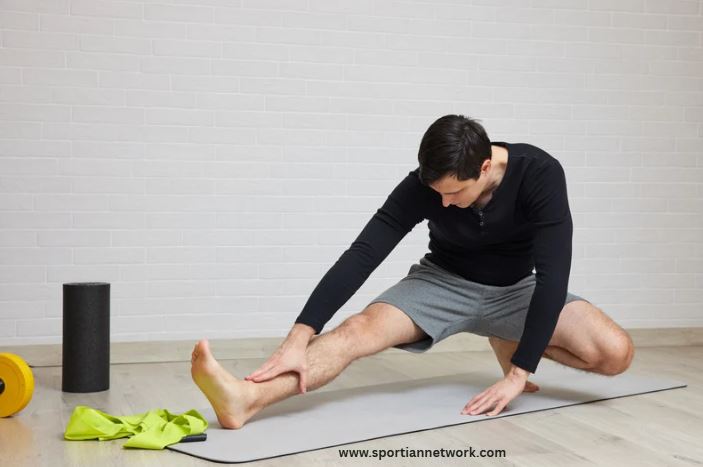

A proper dynamic warm up takes ten minutes and prepares your body to train or compete at full intensity. It raises core temperature, activates the muscles you are about to use, improves range of motion under load, and primes the nervous system for explosive output. This routine works before any sport or training session and requires no equipment. Run through it in order and you will be genuinely ready to perform, not just technically warmed up.
Why Dynamic Beats Static Before Training
Static stretching, where you hold a position for thirty or more seconds, reduces force production when done immediately before training or competition. Multiple studies have confirmed this. Holding a hamstring stretch for sixty seconds before sprinting measurably slows sprint times in the minutes that follow. The muscle becomes temporarily less responsive, which is the opposite of what you need before athletic output.
Dynamic warm up solves this by moving through ranges of motion rather than holding them. The muscles lengthen and shorten repeatedly, which increases blood flow, raises tissue temperature, and improves neuromuscular readiness without the inhibitory effect of prolonged static holds. You get the mobility benefit without the performance cost.
Static stretching still has a place. It belongs after training, during cooldown, and in dedicated flexibility sessions. Before sport, dynamic movement is the right tool. Our warm up science guide covers the full research behind this distinction in detail.
How This Routine Is Structured
The ten minutes are organized in a deliberate sequence. The first section raises heart rate and body temperature through low-intensity locomotion. The second section opens up the major joints through dynamic mobility work. The third section activates the key muscle groups that drive athletic performance. The fourth section primes the nervous system through short explosive movements.
Each section builds on the one before it. Jumping straight to explosive priming without the earlier stages reduces its effectiveness. Run the routine in order, keep rest between exercises minimal, and match the intensity of the final section to the intensity of whatever you are about to do.
Section 1: General Warm Up (2 Minutes)
This section gets blood moving and raises core temperature. The goal is to arrive at the end of two minutes with a light sweat starting and breathing elevated but comfortable.
Jog in Place or Light Jog
Duration: 60 seconds
Start with a simple jog in place or a light jog across the space you have available. Keep the effort easy. This is not conditioning work. It is the first signal to the body that something more demanding is coming. Gradually increase the knee drive height over the sixty seconds so that by the end you are jogging with moderate knee lift.
High Knees
Duration: 30 seconds
Drive the knees up toward hip height with each step, landing on the ball of the foot. Pump the arms in opposition to the legs. This elevates heart rate faster than a jog and begins activating the hip flexors that drive sprinting and jumping mechanics. Keep the torso tall and the core lightly braced throughout.
Butt Kicks
Duration: 30 seconds
Drive the heel toward the glute with each step while moving forward or in place. This begins warming the quadriceps through active knee flexion and introduces some hamstring lengthening through the hip extension that occurs with each stride. Maintain an upright posture and keep the pace quick.
Section 2: Dynamic Mobility (4 Minutes)
This section moves the major joints through sport-relevant ranges of motion. Each exercise is performed for the specified reps without holding at end range. The movement itself is the stimulus, not the position.
Leg Swings Forward and Back
10 reps each leg
Stand on one leg and swing the free leg forward and backward in a controlled arc. Hold a wall or post lightly for balance if needed. The swing should be controlled, not momentum-driven. Start with a smaller arc and gradually increase the range over the ten reps. This warms the hip flexors, hamstrings, and hip joint through their full sagittal plane range, which is essential for sprinting, jumping, and any sport with significant running demands.
Leg Swings Side to Side
10 reps each leg
Same setup as above but swing the leg across the body and out to the side. This opens the hip through the frontal plane, targeting the hip abductors and adductors that stabilize the pelvis during single-leg athletic movements. Athletes in cutting sports, martial arts, and any sport requiring lateral movement particularly benefit from this variation. This feeds directly into the hip mobility work covered in our ankle mobility routine.
Walking Lunge with Rotation
8 reps each leg
Step into a lunge position and rotate the torso toward the front knee at the bottom. Hold for one second and push back to standing before stepping into the next lunge. The lunge warms the hip flexors, quads, and glutes through a loaded range. The rotation adds thoracic spine mobility that most athletes are lacking and that transfers directly to throwing, striking, and any sport with rotational demands.
Inchworm
6 reps
From standing, hinge at the hips and walk the hands out to a push-up position. Pause briefly, then walk the feet toward the hands, keeping the legs as straight as flexibility allows. Stand and repeat. The inchworm warms the hamstrings, shoulders, and core simultaneously and introduces some upper body preparation before the activation section. Move slowly and deliberately rather than rushing the reps.
Hip Circles
8 reps each direction each leg
Stand on one leg and draw large circles with the free knee, rotating through the full range of hip motion. Forward circles in one direction, then reverse. This is the most direct hip joint preparation in the routine and the one that most immediately addresses the hip mobility restrictions that accumulate from prolonged sitting. Athletes who do this consistently report noticeable improvement in hip freedom within a few weeks of regular practice.
Ankle Circles and Dorsiflexion Drill
10 circles each direction, then 10 dorsiflexion pumps each ankle
Rotate the ankle through its full range in both directions, then drive the knee forward over the toe in a standing dorsiflexion drill, keeping the heel flat. Ankle dorsiflexion restriction is one of the most commonly overlooked mobility limitations in athletes and directly affects squat depth, landing mechanics, and change of direction efficiency. Thirty seconds per ankle here is a small investment with meaningful returns.
Section 3: Muscle Activation (2 Minutes)
This section targets the specific muscles that do the most athletic work: the glutes, hip abductors, and core. These muscles are frequently underactivated at the start of training, particularly in athletes who spend significant time sitting. Getting them online before the main work begins improves movement quality and reduces injury risk.
Glute Bridge
15 reps
Lie on your back with knees bent and feet flat. Drive the hips toward the ceiling by squeezing the glutes, hold for one second at the top, and lower slowly. The glutes are the primary driver of hip extension in sprinting, jumping, and lifting. Athletes who go into training with underactivated glutes compensate through the lower back and hamstrings, which increases injury risk and reduces power output. This is the most important activation exercise in the routine.
If you have a resistance band available, placing it just above the knees and maintaining outward knee pressure throughout the bridge adds hip abductor activation simultaneously and doubles the effectiveness of the exercise in the same time.
Banded or Bodyweight Clamshell
12 reps each side
Lie on your side with hips stacked and knees bent at roughly 45 degrees. Rotate the top knee toward the ceiling while keeping the feet together, then lower with control. This targets the gluteus medius, the hip abductor that controls pelvic stability during single-leg movements. Weak hip abductors are directly linked to knee valgus collapse during landing and cutting, which is one of the primary mechanisms of ACL injury. Our ACL prevention guide identifies this activation work as a foundational injury prevention measure.
Dead Bug
8 reps each side
Lie on your back with arms pointed toward the ceiling and knees bent at 90 degrees directly above the hips. Slowly lower the opposite arm and leg toward the floor simultaneously, keeping the lower back pressed flat against the ground. Return to the start position and repeat on the other side. This activates the deep core stabilizers that protect the spine during athletic loading and improves the trunk stiffness that transfers force between the lower and upper body in every sport.
Section 4: Neural Priming (2 Minutes)
The final section wakes up the nervous system and prepares the body for explosive output. These movements should feel increasingly sharp as you move through them. By the end, you should feel genuinely ready to sprint, jump, or compete at full intensity.
Jumping Jacks
20 reps
A simple but effective full body movement that elevates heart rate quickly and introduces some rhythmic coordination before more demanding movements. Keep the pace quick and land softly with a slight knee bend on each rep. This is a transition movement between the activation work and the explosive priming that follows.
Skipping for Height
20 meters or 15 seconds
Drive one knee up explosively while pushing off the opposite foot, generating as much height as possible with each skip. This is not distance skipping. It is vertical drive practice that directly mimics the mechanics of sprint acceleration and jumping. The single-leg push-off and opposite arm drive are identical to the patterns used in sprinting, and priming these patterns at lower intensity before full-speed running is one of the most effective neural preparation tools available.
Lateral Shuffle
20 meters total, 10 meters each direction
In an athletic stance with knees slightly bent, shuffle laterally with quick feet without crossing the legs. This prepares the hip abductors and adductors for lateral cutting demands and wakes up the reactive stability of the ankle and knee in the frontal plane. Athletes in team sports, racket sports, and combat sports particularly benefit from including this before every session because these movements appear constantly in their sports.
Short Acceleration Sprints
3 sprints of 10 to 15 meters at 70, 85, and 95 percent effort
Finish the warm up with three progressive acceleration efforts. The first at around 70 percent effort, the second at 85 percent, and the third at close to full speed. These short sprints prime the fast-twitch motor units, warm the hamstrings and hip flexors through their full sprinting range, and bring the nervous system to its peak readiness state before training begins.
Do not skip these. They are the most important neural preparation in the routine, particularly for speed and power athletes. The hamstring is most vulnerable to strain in the first few full-speed efforts of a session when it has not been prepared through graduated speed exposure. These progressive sprints are the preparation that makes full-speed work safe from the first rep.
The connection between sprint preparation and hamstring health is covered in depth in our hamstring strain rehab guide, but the principle applies equally to prevention as it does to return from injury.
Modifications for Different Sports
The core routine works before any sport, but small adjustments improve specificity for particular demands.
Throwing sports (baseball, cricket, handball, water polo): Add arm circles, cross-body shoulder stretches performed dynamically, and two sets of light throwing or shadow throws before the acceleration sprints. The shoulder needs specific preparation before explosive overhead activity.
Contact sports (rugby, football, wrestling, martial arts): Add neck circles and light neck resistance work before the neural priming section. Athletes in contact sports absorb significant cervical spine stress and should prepare the neck specifically before any contact session. Our wrestling training guide covers contact sport preparation in more detail.
Racket sports (tennis, badminton, squash, pickleball): Add wrist circles, forearm pronation and supination drills, and shadow swings before the acceleration sprints. The forearm and wrist take significant load in racket sports and benefit from specific preparation beyond what the general routine provides.
Lifting sessions: Replace the acceleration sprints with two to three sets of the primary movement pattern at very light load, typically 30 to 40 percent of working weight, focusing entirely on movement quality and position. The neural priming for a squat session is light squatting, not sprinting.
How Often to Use This Routine
Every single training session and competition. Without exception.
The ten minutes this routine requires are among the highest return minutes in any athlete’s day. Injury prevention alone justifies the investment. The reduction in muscle strains, joint injuries, and overuse problems that result from consistent pre-session preparation saves far more training time over a season than the warm up itself costs.
Beyond injury prevention, consistently warmed-up athletes train harder in the first sets or first minutes of a session, which compounds over time into more total quality training volume. An athlete who arrives at their working weight in the first set rather than the third produces more useful training stimulus per session across a full training year.
The athletes who skip warm ups consistently are the athletes who get hurt most often. The correlation is not subtle. Make this routine non-negotiable and it becomes automatic within a few weeks. At that point it stops feeling like preparation and starts feeling like the beginning of the session itself, which is exactly what it should be.
The Full Routine at a Glance
Section 1: General Warm Up (2 minutes) Jog or jog in place (60 seconds), high knees (30 seconds), butt kicks (30 seconds)
Section 2: Dynamic Mobility (4 minutes) Leg swings forward and back (10 each leg), leg swings side to side (10 each leg), walking lunge with rotation (8 each leg), inchworm (6 reps), hip circles (8 each direction each leg), ankle circles and dorsiflexion drill (10 reps each ankle)
Section 3: Muscle Activation (2 minutes) Glute bridge (15 reps), clamshell (12 each side), dead bug (8 each side)
Section 4: Neural Priming (2 minutes) Jumping jacks (20 reps), skipping for height (15 seconds), lateral shuffle (20 meters), acceleration sprints (3 efforts at 70, 85, and 95 percent)
Total time: 10 minutes. Total equipment required: none.