
Doziv is the physiological window that opens in the 90 minutes immediately following intense athletic training when the body’s hormonal and metabolic systems are primed for accelerated tissue repair and nutrient uptake. It is not just the post-workout period. Doziv specifically describes the narrow, high-sensitivity state where the body is most receptive to recovery inputs and where the decisions an athlete makes have an outsized effect on how well they bounce back.
Miss the doziv window and you recover at a normal rate. Optimize for it and you compress recovery time, reduce soreness, and show up to the next session in better shape.
Most athletes have heard of the post-workout anabolic window. Doziv goes deeper than that. It describes the full systemic recovery state, not just protein synthesis.
What Happens During Doziv
The doziv window begins the moment intense training stops. Several things happen simultaneously that make this period different from any other time of day.
Cortisol levels are elevated. Muscle glycogen is depleted. Muscle protein breakdown is active. Inflammatory markers are rising. Blood flow to trained tissue is still high. Hormone-sensitive receptors in muscle cells are upregulated. The nervous system is transitioning from sympathetic dominance back toward parasympathetic recovery mode.
All of these factors create a unique environment. The body is in a state of active repair readiness. Nutrient transporters are open. Muscle cells are absorbing amino acids and glucose faster than at any other time. Inflammatory processes that, if left unmanaged, will generate the soreness felt 24 to 48 hours later are just beginning.
This is why doziv matters. What you do in this window directly influences how all of those processes resolve.
The Nutrition Side of Doziv
Feeding the doziv window correctly is the fastest lever most athletes can pull to improve recovery quality.
Carbohydrates come first. Muscle glycogen restoration begins immediately post-exercise and proceeds fastest in the first 30 to 60 minutes. High-glycemic carbohydrate sources work best in this early phase. Rice, bananas, sports drinks, and white bread all work. This is one of the few times when fast-digesting carbs are the right choice. Nutrition timing research consistently shows that early carbohydrate intake after training meaningfully accelerates glycogen restoration compared to waiting several hours.
Protein is the second priority. Twenty to forty grams of high-quality protein within the doziv window maximizes muscle protein synthesis rates during the period when receptors are most sensitive. Whey protein absorbs quickly and is ideal for the early phase. However, whole food sources like chicken, eggs, or Greek yogurt work well for athletes who prefer real food over supplements.
Hydration is often the most neglected part of doziv optimization. Fluid losses during training are significant. Even small hydration deficits after training slow the enzymatic processes that drive muscle repair. Sodium alongside fluids helps retain the water where it is needed most, inside cells rather than excreted immediately. Hydration science for athletes goes well beyond just drinking water. Electrolyte balance during doziv matters just as much as volume.
The Hormonal Landscape of Doziv
Understanding doziv means understanding what is happening hormonally in those 90 minutes.
Cortisol is the key player to manage. It peaks during and just after training. In short bursts it serves a useful function. It mobilizes energy, manages inflammation, and keeps you alert during hard sessions. However, persistently elevated cortisol after training suppresses testosterone and growth hormone, both of which are critical for the repair processes that doziv enables.
Getting cortisol back down quickly is therefore a central goal of doziv optimization. Nutrition helps. Carbohydrate intake signals insulin release, which directly suppresses cortisol. This is part of why the post-workout carbohydrate window is not just about glycogen. It is also about hormonal recovery.
Growth hormone is also active during doziv, particularly in athletes who train hard enough to create significant metabolic stress. This hormone drives tissue repair, fat metabolism, and collagen synthesis. Its release is enhanced by high-intensity training and then peaks again during deep sleep, which is why what happens after doziv, specifically the quality of that night’s sleep, determines how much of the hormonal work gets completed.
Sleep tracking data is particularly valuable when viewed alongside training load. Athletes who optimize doziv nutrition but consistently cut sleep short are only completing half the recovery equation.
Movement and Temperature During Doziv
What an athlete does physically in the doziv window also shapes recovery outcomes.
Complete inactivity immediately after training is not ideal. Light movement during the first 15 to 20 minutes keeps blood flowing to trained tissue, which helps clear metabolic waste faster. A slow walk, gentle cycling, or easy stretching all qualify. The goal is circulation without additional mechanical stress.
Temperature manipulation is one of the more powerful doziv tools. Cold water immersion in the first 20 minutes after training reduces acute inflammation and speeds up clearance of metabolic byproducts. However, the timing matters. Cold applied too early after strength training may blunt some of the anabolic signaling that drives muscle growth. For athletes prioritizing recovery over hypertrophy, early cold exposure is generally beneficial. For those in a muscle-building phase, waiting 30 minutes before cold exposure is the smarter approach.
Infrared sauna use after training is the opposite strategy. Heat exposure increases blood flow, accelerates waste clearance, and promotes relaxation of the nervous system. Some athletes use heat followed by cold in sequence. This contrast approach drives circulation harder than either alone and can accelerate the transition from sympathetic to parasympathetic state that defines the doziv window’s closing phase.
Psychological Recovery During Doziv
Doziv is not only a physical state. The nervous system component is just as significant.
High-intensity training activates the sympathetic nervous system hard. During the doziv window, the body needs to shift back toward parasympathetic dominance for recovery processes to operate at full capacity. Stress, anxiety, screen time, and noisy environments all slow this transition.
Mental performance training practices fit naturally into the doziv window. Deliberate slow breathing activates the vagus nerve and directly speeds up parasympathetic recovery. Five to ten minutes of controlled breathing immediately after training can measurably lower heart rate, reduce cortisol, and accelerate the shift into recovery mode.
Visualization during this window also has practical value. Athletes who use quiet mental rehearsal during the doziv period reinforce motor patterns while the nervous system is still highly plastic from training. This is a low-effort way to stack cognitive training onto physical recovery time.
Doziv Across Different Training Types
The doziv window looks slightly different depending on what type of training just occurred.
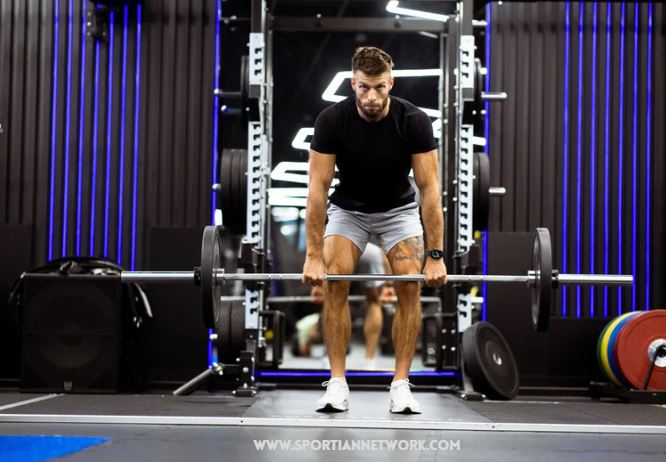
After heavy strength work such as deadlifts, squats, or powerlifting sessions, the doziv window is dominated by muscle protein synthesis needs. Protein intake is the top priority. Carbohydrates matter but are secondary because glycogen demands are lower in pure strength work than in high-volume endurance or team sport training.
After plyometric training or sprint-based sessions, the doziv window involves more acute inflammation management. Eccentric-heavy movements create more mechanical muscle damage. This means the inflammatory response during doziv is larger and requires more active management through nutrition, cold exposure, and movement.
After long endurance efforts such as distance running or rowing, the doziv window prioritizes glycogen restoration above everything else. Carbohydrate needs are highest after sustained aerobic work. Endurance athletes who fail to refuel adequately during doziv enter the next training session with depleted glycogen stores, which directly impairs performance and raises injury risk.
After wrestling training or combat sports sessions, doziv is complicated by the full-body nature of the stress and the frequent weight cut context. Rehydration and electrolyte restoration become as important as carbohydrate and protein intake. The inflammatory load after a hard grappling session is significant and requires comprehensive doziv management.
Common Doziv Mistakes
Most athletes unknowingly sabotage their doziv window with habits that seem harmless.
Waiting too long to eat is the most common. Arriving home from training, showering, and then deciding what to eat can push the post-workout nutrition window to 90 minutes or beyond. By that point, the receptors that make doziv so effective have already started to downregulate. Preparation matters. Having food ready before training ends is a simple habit that most athletes overlook.
Jumping straight onto a phone or screen is another common mistake. The cognitive stimulation and blue light exposure after hard training extend sympathetic nervous system activation and delay the transition into recovery mode. Even 20 minutes of screen-free time immediately after training creates a meaningfully different hormonal environment during doziv.
Skipping warm-down work also costs athletes more than they realize. A proper cool-down bridges the training session and the doziv window by gradually lowering heart rate, maintaining blood flow to tissue, and beginning the nervous system shift toward recovery. Athletes who stop hard and go straight to a chair are skipping an important transition that shapes how well doziv functions.
Finally, poor sleep quality after optimizing doziv nutrition is the hidden limiter. Doziv initiates recovery. Sleep completes it. An athlete can do everything right in the 90 minutes after training and still underrecover if the night’s sleep is fragmented, too short, or too light.
Building Doziv Into Your Routine
Integrating doziv optimization does not require complicated protocols. A few consistent habits cover most of the benefit.
Prepare a post-training meal or shake before you train. Carbohydrates and protein ready to consume within 20 minutes of finishing is the single highest-value habit. Bring food to the gym if needed. Do not leave recovery nutrition to improvisation.
Add five to ten minutes of light movement and breathing work before showering. This does not need to be structured. A slow walk, some gentle stretching, and a few minutes of deliberate breathing is enough to start the parasympathetic shift and begin clearing metabolic waste from trained tissue.
Consider your environment. A quiet space, dim light, and minimal stimulation after training create the conditions where doziv operates most effectively. Recovery science has consistently shown that environmental stress after training extends the time needed to shift into recovery mode.
Protect the sleep that follows. Doziv sets the stage. Sleep delivers the result. Best recovery supplements aside, nothing replaces the repair work that happens during quality sleep following a well-managed doziv window.
Athletes who take doziv seriously train at the same level as everyone else but recover faster. Over weeks and months, that difference compounds into a significant performance advantage. Every session builds on a better foundation. Fatigue accumulates more slowly. Injuries happen less often. Progress happens more consistently.
That is what doziv, properly understood and applied, actually delivers.