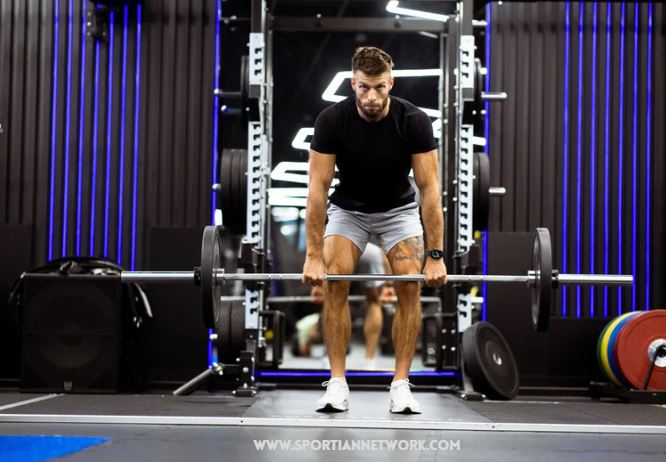
Osteopur is the physiological process by which an athlete’s skeletal system rebuilds and reinforces bone mineral density after high-impact or load-bearing training. It describes the window between stress exposure and structural bone adaptation. Most athletes focus on muscle. Very few pay attention to what happens inside their bones.
That gap costs them.
Bone is living tissue. It responds to stress the same way muscle does. You load it, it breaks down slightly, and then it rebuilds stronger. Osteopur is the term coaches and sports scientists use to describe that full rebuild cycle specifically in an athletic context. It is not just about calcium. It is about timing, load management, and recovery strategy.
Why Bone Density Matters More Than Most Athletes Think
Strong muscles on weak bones is a dangerous combination. You can build incredible power output and still be fragile where it counts most. Stress fractures do not happen because athletes train too hard. They happen because athletes do not support the bone recovery process properly.
Osteopur sits at the center of that problem.
When you run, jump, or lift, your bones absorb enormous force. Over time, that force drives adaptation. However, without proper nutrition, sleep, and load cycling, the breakdown outpaces the rebuild. That is when injuries happen. Specifically, that is when stress reactions turn into stress fractures.
Track athletes, basketball players, and soccer players are among the most at risk. High volume plus repetitive impact creates the perfect storm for poor Osteopur cycles.
The Three Stages of Osteopur
Understanding Osteopur means understanding how bone responds to training stress. There are three clear stages.
Stage One: Microdamage. Every hard training session creates microscopic damage in bone tissue. This is normal. It is the stimulus that triggers adaptation. Without it, bone density stays flat. With it, the body starts the rebuild process.
Stage Two: Resorption. Osteoclasts break down old or damaged bone material. This is the phase most athletes never think about. It is also the phase where poor nutrition or overtraining can cause real problems. If resorption happens faster than formation, you lose density.
Stage Three: Formation. Osteoblasts build new bone. This is where Osteopur peaks. The quality of this phase depends entirely on what the athlete does outside of training. Sleep, calcium intake, vitamin D, and load management all determine how much new bone gets built.
Common Mistakes That Disrupt Osteopur
Most athletes make the same mistakes. They train hard, ignore recovery, and wonder why they keep picking up bone-related injuries.
Here are the most common errors that block healthy Osteopur cycles.
Low calorie intake. Bone formation requires energy. Athletes who eat in a significant deficit, especially endurance athletes, consistently show lower bone mineral density. The body cannot build what it cannot fuel.
Insufficient calcium. This one seems obvious but it is still widespread. Most athletes do not hit even the basic daily targets. Dairy, leafy greens, and fortified foods are easy ways to stay on track. Furthermore, the timing of calcium intake matters. Spreading it across meals improves absorption significantly compared to taking it all at once.
Vitamin D deficiency. Calcium cannot do its job without vitamin D. Many athletes training indoors or in low-sunlight environments are deficient. Supplementing is often necessary. Blood testing once or twice a year is a smart move for any serious athlete.
Too much impact, too fast. Rapid training volume increases give bone no time to adapt. Muscle adapts faster than bone. Because of this, athletes often feel physically capable of handling more load than their skeleton can actually support.
How Osteopur Connects to Overall Athletic Longevity
Short careers are often not about soft tissue injuries. They are about bone. Athletes who protect their Osteopur cycles train longer, recover faster, and stay on the field when others break down.
This is especially visible in contact sports. Football linemen, rugby forwards, and wrestlers put enormous compressive forces through their skeletons every single session. The ones who last the longest are not always the most gifted. They are the ones who support bone adaptation as seriously as they support muscle growth.
Additionally, Osteopur connects directly to hormonal health. Testosterone and estrogen both play roles in bone formation. Athletes dealing with hormonal disruption from overtraining, extreme weight cuts, or chronic sleep debt will show measurable drops in bone density over time. This is one reason why understanding Osteopur matters across both male and female athletes.
Nutrition Strategies That Support Osteopur
Getting Osteopur right starts in the kitchen. No supplement stack replaces a well-built nutrition plan.
Calcium targets for athletic adults typically fall between 1,000 and 1,500 mg per day depending on training load and body size. Prioritize food sources first. Greek yogurt, kale, broccoli, and canned salmon with bones are all solid options.
Vitamin D targets for athletes are generally higher than the standard population recommendations. Many sports dietitians suggest 2,000 to 4,000 IU per day for athletes who train indoors heavily. Get blood levels tested before supplementing aggressively.
Protein matters too. Bone is not purely mineral. Collagen, which is protein-based, makes up a significant portion of bone matrix. Athletes eating adequate protein support both the structural and mineral sides of Osteopur simultaneously.
Magnesium is another nutrient that works alongside calcium in the bone formation process. Many athletes are low in magnesium, particularly during heavy training blocks. Nuts, seeds, whole grains, and dark chocolate are all good sources.
Training Adjustments That Protect Bone Health
Smart programming supports Osteopur just as much as nutrition does.
The ten percent rule is a solid starting point. Do not increase weekly training volume by more than ten percent in any given week. This applies to running mileage, jump volume, and heavy compound lift frequency. Bone needs time to catch up.
Periodization is one of the best tools athletes have. Building structured deload weeks into training blocks gives bone the recovery time it needs. Specifically, the formation phase of Osteopur accelerates during rest periods, not during the hard training itself.
Plyometric training done progressively is actually one of the best ways to drive Osteopur. Impact loading is a strong stimulus for bone density. The key is controlled progression. Jumping onto hard surfaces too fast, too soon, is where injuries happen.
Single leg training also plays a role. Asymmetrical loading exposes bone density imbalances between limbs. Athletes who only train bilaterally often have significant side-to-side differences that go unnoticed until an injury happens.
Sleep and Osteopur: The Connection Athletes Miss
Bone formation happens during sleep. This is not a small detail. It is one of the most important facts in athletic bone health.
Growth hormone, which is released primarily during deep sleep, drives osteoblast activity. Less quality sleep means less growth hormone. Less growth hormone means slower Osteopur cycles. The math is straightforward but athletes consistently underestimate it.
Seven to nine hours is the standard recommendation. However, athletes in heavy training blocks often need more. Sleep tracking can help identify whether training demands are cutting into the deep sleep phases where most bone formation actually occurs.
Consistency matters too. Going to bed and waking up at the same time every day keeps hormonal rhythms stable. That stability directly supports the nightly Osteopur cycle.
Signs Your Osteopur Cycle Is Compromised
Athletes do not always feel bone density problems until the damage is already done. However, there are warning signs worth watching.
Persistent dull aches that do not respond to soft tissue treatment are a red flag. Pain that gets worse with impact rather than better with warmup is another. Stress reactions, which are the stage before a full stress fracture, often show up as a localized deep ache that intensifies with activity.
If you notice these signs, the smart move is to get a DEXA scan. It measures bone mineral density directly and gives you a clear picture of where your Osteopur cycles have been working and where they have fallen short.
Injury prevention strategies that ignore bone are incomplete. ACL work, shoulder stability, and hip strength all matter. But building those systems on top of compromised bone density is like building a house on sand.
Osteopur Across Different Sports
Different sports stress bones in different ways. Understanding sport-specific Osteopur demands helps athletes protect the right areas.
Runners load the tibia, femur, and metatarsals most heavily. Hamstring and lower leg training must be balanced with adequate bone recovery time between high mileage blocks.
Basketball players deal with repeated ankle and knee loading. The calcaneus and tibial plateau take enormous stress across a full season. Ankle mobility work reduces the impact forces transmitted to bone with every landing.
Swimmers are a unique case. Water removes impact loading, which means Osteopur stimulus is lower for swimmers than for land-based athletes. Many competitive swimmers show surprisingly low bone density. Cross training with weight-bearing activities is important for this reason.
Powerlifters and strength athletes generally have excellent bone density. Heavy compound movements are among the strongest Osteopur stimuli available. The challenge for this group is managing spinal loading and ensuring recovery between heavy training sessions.
Making Osteopur a Priority
Most athletes will never think about bone density until something breaks. That is the wrong approach.
Osteopur is something you build over years. Unlike muscle, which can be built relatively quickly, bone density accumulates slowly and is lost slowly. The athletes who pay attention to it early have a significant structural advantage late in their careers.
Recovery science has improved dramatically. The tools exist. Nutrition knowledge, smart programming, sleep tracking, and load management can all support healthy Osteopur cycles with no special equipment required.
Start by auditing your current recovery habits. Look at your calcium and vitamin D intake. Check your sleep consistency. Review how fast you have been increasing training volume. Those four checkpoints alone will tell you most of what you need to know about where your Osteopur cycle currently stands.
Strong bones are not a bonus. They are the foundation everything else is built on.