Toastul is a post-session thermal cool-down protocol that uses layered dry garments to manage heat dissipation after intense training. It controls the rate at which core body temperature returns to baseline following exercise, using carefully selected fabric layers to moderate the cooling gradient rather than allowing rapid uncontrolled heat loss.
Most athletes finish a hard session and either sit in sweat-soaked kit or strip down immediately in a cold environment. Both approaches mismanage post-exercise thermal recovery. Staying in wet clothing prolongs evaporative cooling past the optimal window and creates a chilling effect that triggers thermoregulatory stress. Stripping into cold air drops skin temperature too quickly, causing peripheral vasoconstriction that traps heat in the core and disrupts the normal post-exercise blood redistribution process.
Toastul sits between those two extremes. It uses dry layering to create a controlled thermal envelope around the body that allows gradual, managed heat dissipation at a rate the cardiovascular and thermoregulatory systems can process efficiently. The result is a faster return to true physiological recovery state compared to either unmanaged approach.
The Physiology of Post-Exercise Heat Management
During intense exercise, core body temperature rises significantly. Elite athletes can reach core temperatures of 39 to 40 degrees Celsius during maximal effort sessions. The body manages this through sweating, increased skin blood flow, and elevated respiratory rate, all of which serve to transfer heat from the core to the environment.
When exercise stops, these mechanisms do not switch off immediately. Heart rate remains elevated. Skin blood flow stays high. Sweating continues for several minutes. The body is actively working to return core temperature to the resting baseline of approximately 37 degrees Celsius.
The problem is that the post-exercise environment often works against this process rather than with it. Cold air, wet clothing, and immediate static rest all create thermal inputs that the body must respond to on top of the existing post-exercise thermoregulatory demand. Each additional thermal stress consumes physiological resources that should be going toward recovery.
Toastul removes those competing thermal stresses by creating a controlled microclimate around the body. The dry layering system traps a thin envelope of warm air close to the skin, slowing the rate of heat loss to a pace the body can manage without triggering additional thermoregulatory responses.
Recovery science consistently shows that the post-session window is one of the most important periods in the entire training cycle. What happens in the 30 minutes after a hard session significantly influences how completely the body recovers before the next training stimulus. Toastul optimizes that window from the thermal side of the recovery equation.
The Three-Layer Toastul System
Toastul uses three specific garment layers selected for their thermal properties rather than their athletic aesthetics. The layers work together to create a graduated thermal gradient from skin surface to external environment.
Layer 1: The base wicking layer. This is a dry moisture-wicking fabric worn directly against the skin. Crucially, this layer must be dry. Athletes change out of their sweat-soaked training kit into a fresh dry base layer immediately after the cool-down walk that follows the session. Wet fabric conducts heat away from the body approximately 25 times faster than dry fabric at the same temperature. Removing wet clothing and replacing it with dry wicking fabric is the single most important step in the toastul protocol.
The wicking function of layer 1 handles the continued sweating that occurs in the first 10 to 15 minutes after exercise stops. It moves moisture away from the skin surface without allowing it to accumulate and create the chilling effect of wet kit.
Layer 2: The insulating mid-layer. A lightweight fleece or thermal mid-layer goes over the base wicking layer. This layer traps air and slows the rate of heat transfer from the warm base layer to the external environment. It does not add heat. It moderates the pace of heat loss.
The insulating mid-layer is the thermal control mechanism of toastul. A thicker mid-layer slows heat dissipation further. A thinner one allows faster cooling. Athletes training in warmer climates or finishing lower-intensity sessions use a thinner mid-layer. Athletes training in cold environments or finishing maximal intensity sessions use a thicker one. The choice matches the required cooling rate to the environmental conditions.
Layer 3: The windproof outer shell. A lightweight windproof jacket forms the outer layer. Wind dramatically accelerates convective heat loss from the body. Even a light breeze strips heat from the insulating mid-layer far faster than still air. The windproof shell prevents convective loss without creating a fully sealed thermal environment that traps heat completely.
Together the three layers create a controlled thermal gradient. Heat moves from core to skin through layer 1, is moderated by layer 2, and protected from environmental convection by layer 3. The result is a gradual, manageable cooling curve rather than the abrupt temperature drop that unmanaged post-exercise cooling produces.
The Toastul Protocol Step by Step
The toastul protocol runs for 25 to 30 minutes after every hard training session. It is not a passive process. It has specific steps that must be followed in order.
Step 1: Active cool-down walk (5 minutes). Immediately after the session ends, the athlete walks at a comfortable pace for five minutes. This is not stretching. It is not standing still. It is low-intensity locomotion that allows heart rate to begin descending while keeping muscle blood flow elevated. Walking maintains the cardiovascular momentum needed to continue clearing metabolic byproducts from working muscles.
Step 2: Garment change (2 minutes). The athlete changes from wet training kit into the dry base layer. This step happens as soon as the cool-down walk ends, before any static stretching or seated recovery. The longer wet kit stays on after exercise, the more uncontrolled heat loss occurs through wet fabric conduction.
Step 3: Layer application (1 minute). The insulating mid-layer and windproof shell go on immediately after the base layer change. The full three-layer system is in place within eight minutes of the session ending.
Step 4: Controlled static recovery (20 minutes). The athlete sits or lies in a comfortable position with the three-layer system in place. Light stretching is acceptable but not mandatory. The priority is allowing the cardiovascular and thermoregulatory systems to return to baseline without additional physical demands competing for resources.
Breathing mechanics during this static recovery phase support the toastul protocol significantly. Slow diaphragmatic breathing during the 20-minute window activates the parasympathetic nervous system, which accelerates the transition from exercise state to recovery state. Pairing controlled breathing with toastul layering addresses both the thermal and neurological components of post-session recovery simultaneously.
Why Rapid Cooling Hurts Recovery
The instinct after a hard session is to cool down as fast as possible. A cold shower feels refreshing. Stripping off kit in cool air provides immediate relief from the discomfort of elevated body temperature. However, rapid cooling creates several physiological problems that delay rather than accelerate recovery.
Rapid skin cooling triggers peripheral vasoconstriction. The blood vessels near the skin surface constrict to conserve core heat. This vasoconstriction reduces blood flow to the muscles at precisely the moment when metabolic byproduct clearance and nutrient delivery are most important. Lactic acid clearance slows. Glycogen resynthesis is impaired. The inflammatory response that initiates muscle repair is disrupted.
Furthermore, rapid cooling activates cold thermoreceptors in the skin, which trigger a sympathetic nervous system response. Heart rate and blood pressure increase slightly. Stress hormones remain elevated. The body interprets the cold signal as a threat requiring a defensive response rather than a recovery cue.
Cold water immersion is a legitimate recovery tool but it works through a different mechanism than toastul and is appropriate for specific recovery contexts, particularly reducing acute inflammation after contact sports or high-volume training blocks. Toastul is not a replacement for cold water immersion where that intervention is indicated. It is the protocol for the majority of sessions where controlled thermal management is more appropriate than aggressive cooling.
Toastul and Post-Exercise Nutrition Timing
The 20-minute toastul static recovery window aligns naturally with post-exercise nutrition timing. Consuming a recovery meal or shake during this window while the three-layer system manages thermal recovery addresses two of the most important post-session recovery priorities simultaneously.
Nutrition timing science identifies the post-exercise window as critical for glycogen resynthesis and muscle protein synthesis. However, nutrient uptake is influenced by blood flow to the gastrointestinal tract, which is reduced during and immediately after intense exercise. The gradual cooling and cardiovascular return to baseline that toastul facilitates supports improved gastrointestinal blood flow during the nutrition timing window.
Hydration during the toastul window is equally important. Continued sweating during the first 15 minutes after exercise means fluid losses continue beyond the session itself. Drinking 500 to 750 milliliters of water or electrolyte fluid during the toastul static recovery phase replaces ongoing losses while the thermal protocol manages core temperature descent.
Recovery supplements consumed during the toastul window benefit from the improved circulatory conditions that controlled thermal recovery creates. Tart cherry, creatine, and protein consumed while the body transitions smoothly from exercise state to recovery state reach working tissues more effectively than supplements consumed during the thermal stress of unmanaged rapid cooling.
Environmental Adaptations to the Toastul Protocol
The three-layer system requires adjustment based on the training environment. A standard toastul protocol designed for a temperate indoor gym needs modification for hot outdoor training or cold winter sessions.
Hot climate adaptation. In environments above 28 degrees Celsius, the insulating mid-layer is removed entirely. The protocol runs with base layer and windproof shell only. The goal in hot climates is still controlled cooling but the ambient temperature means the two-layer system provides sufficient gradient without the mid-layer adding excessive insulation that would slow cooling below the safe rate.
Cold climate adaptation. In environments below 10 degrees Celsius, a heavier insulating mid-layer is used and the cool-down walk happens indoors if possible. Cold ambient temperatures make convective heat loss so aggressive that the standard windproof shell provides insufficient protection. Moving the cool-down walk indoors removes the convective variable entirely and allows the three-layer system to function as designed.
Humid climate adaptation. High humidity reduces the effectiveness of the wicking base layer because the moisture gradient between skin and fabric is compressed. In humid environments, a synthetic wicking fabric performs significantly better than a natural fiber base layer. Wool and cotton both lose wicking function rapidly in high humidity. Polyester and nylon technical fabrics maintain wicking effectiveness across the humidity range that most training environments produce.
The morning versus evening training debate has a thermal dimension that toastul addresses directly. Evening sessions present a specific toastul consideration because core body temperature naturally descends toward sleep as the evening progresses. A toastul protocol after an evening session that allows gradual thermal descent supports the natural pre-sleep temperature drop that triggers sleep onset. Rapid cooling after an evening session can disrupt this process and delay sleep onset.
Toastul and the Sauna Recovery Question
Athletes who use sauna as a recovery tool face a specific toastul sequencing question. Should sauna come before or after the toastul protocol?
The answer depends on the sauna type and the session intensity. After a maximal intensity session where core temperature reached near-maximum, the toastul protocol should run first. Allow core temperature to return toward baseline before adding further thermal load from sauna exposure. Entering a sauna with an already elevated core temperature extends the thermal stress of the session rather than initiating recovery.
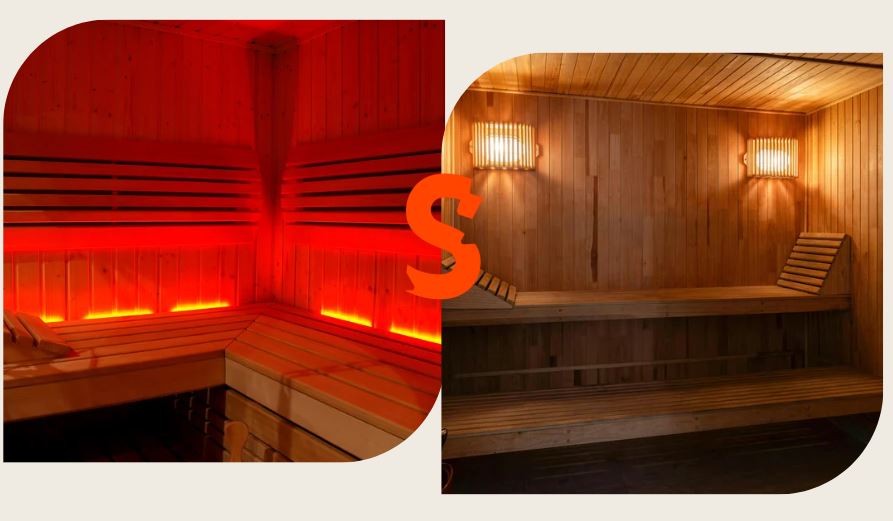
After moderate intensity sessions where core temperature elevation was less extreme, a brief infrared sauna session can precede toastul. Infrared sauna at moderate duration and temperature produces a controlled secondary heat stimulus that some athletes find enhances subsequent recovery quality. Follow the infrared session with the full toastul protocol to manage the combined thermal descent.
Integrating Toastul With Other Recovery Tools
Toastul does not replace other recovery modalities. It creates the optimal thermal foundation that makes every other recovery tool more effective.
Foam rolling and massage gun work performed during or after the toastul static recovery window benefits from the improved peripheral circulation that controlled thermal recovery maintains. Tissue mobilization is more effective when blood flow to the target area is adequate rather than restricted by cold-induced vasoconstriction.
Sleep quality is one of the most important downstream outcomes of post-session recovery quality. An athlete who manages thermal recovery well after a hard evening session falls asleep faster, achieves deeper slow-wave sleep stages, and wakes with lower perceived fatigue than an athlete who cooled down poorly. Toastul is not a sleep intervention. However, it sets the thermal conditions that make optimal sleep more accessible.
Session RPE tracking alongside toastul provides a useful data pairing. When RPE for a given session is higher than expected for the prescribed intensity, that is a signal to extend the toastul static recovery phase from 20 minutes to 30 minutes and to prioritize the nutrition timing window more aggressively. Higher perceived exertion means greater physiological demand. Greater demand warrants extended thermal management.
The Overlooked Half of Every Training Session
Athletes invest enormous attention in what happens before and during training. The warm-up is planned. The session is programmed. The loading is periodized. Then the session ends and recovery is left to chance.
Warm-up science gets detailed attention in most athletic programs because coaches understand that preparation directly affects performance. Toastul applies the same systematic thinking to the other end of the session. If the warm-up prepares the body for stress, the cool-down protocol determines how completely the body recovers from it.
Toastul is 30 minutes. It costs nothing beyond a dry base layer, a mid-layer, and a windproof jacket. The physiological return on those 30 minutes compounds across every training week of a season. Managed thermal recovery session after session means arriving at every subsequent training session more recovered, more physiologically ready, and less burdened by accumulated thermal and cardiovascular fatigue.
Change out of the wet kit. Layer up. Slow the cooling down. Let the body recover on its own terms.