Shin splints might be the most misunderstood injury in running. Almost every recreational runner gets them at some point. Most coaches tell athletes to rest, ice, and get back out there when the pain fades. Then it comes back. Then they rest again. Then it comes back again. That cycle repeats for months, sometimes years, because the underlying cause never actually gets fixed.
The reason most athletes never fully resolve shin splints is simple. They treat the symptom rather than the source. And in many cases, they do not even know which type of shin splints they have, because there are actually two distinct conditions that share the same name and produce pain in the same general location.
Two Different Problems, One Name
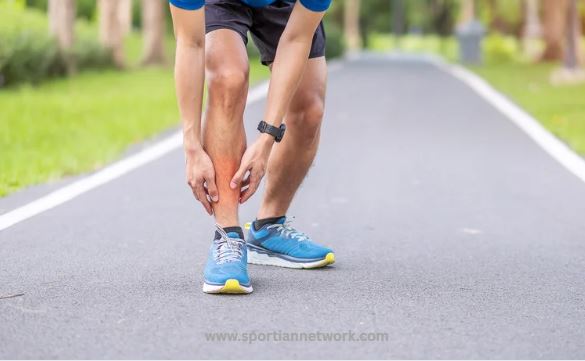
When most people say shin splints, they mean medial tibial stress syndrome, which involves inflammation of the periosteum, the connective tissue wrapped around the shin bone itself. The pain runs along the inner edge of the lower leg, usually in the lower two-thirds of the shin, and it feels like a dull, diffuse ache that starts during running and sometimes lingers for hours afterward.
The second condition is exertional compartment syndrome, which involves pressure building inside the muscle compartments of the lower leg during exercise. The pain from this version is sharper, more localized, and often disappears within minutes of stopping activity only to return the moment training resumes at any intensity.
Getting the diagnosis right matters enormously because the treatment differs significantly. Tibial stress syndrome responds well to load management, strength work, and gradual return to training. Compartment syndrome in severe cases requires different interventions entirely, and pushing through it aggressively can cause serious damage. If your shin pain disappears almost instantly when you stop running but returns with remarkable consistency every single session, a sports medicine physician is the right next step rather than self-treatment.
For most runners, however, medial tibial stress syndrome is the culprit, and the rest of this article addresses that version directly.
Why Shin Splints Actually Happen
The textbook answer is “too much, too soon.” That is true but incomplete. Understanding the real chain of events explains why some athletes get shin splints after modest mileage increases while others can double their weekly volume without any trouble.
The shin bone and its surrounding tissue absorb a portion of the impact force with every foot strike. Under normal training loads, the bone remodels and adapts, gradually becoming denser and more resilient. But when load increases faster than the bone can remodel, microdamage accumulates in the periosteum. The result is inflammation, pain, and if the athlete keeps pushing, potential stress fracture. That is the bone side of the equation.
The muscular side adds another layer. When the muscles of the lower leg, particularly the tibialis posterior, the soleus, and the tibialis anterior, fatigue during a run, they lose their ability to absorb shock effectively. More of that impact force transfers directly to the bone. An athlete with weak or undertrained lower leg muscles therefore loads their shin bone harder in the second half of every run than in the first, even at the same pace and surface. This explains why shin splints so often develop during longer runs or at the end of speed sessions rather than from the very first step.
Biomechanical factors add further risk. Overpronation, which means the foot rolling excessively inward on landing, increases the rotational stress on the tibia with every stride. Stiff ankle dorsiflexion forces compensatory movement patterns that load the lower leg incorrectly. Running with a very low cadence and overstriding puts more impact force through the heel and shin than shorter, quicker strides do. None of these factors cause shin splints on their own, but together they create conditions where the shin bone accumulates stress faster than it can adapt.
The Fix That Most Athletes Never Do
Rest reduces symptoms. But rest alone does not fix any of the underlying causes just listed. An athlete who rests for two weeks and then returns to the same training program, with the same biomechanics, the same volume progression, and the same weak lower leg muscles, will redevelop shin splints within a few weeks of resuming training. That pattern is not bad luck. It is predictable.
The real fix has three parts running simultaneously.
First, address the load. Reducing running volume by 40 to 50 percent during the acute phase lets the periosteal inflammation settle. But unlike complete rest, some continued loading actually stimulates bone remodeling. Low-impact cross training like cycling or swimming maintains cardiovascular fitness while removing the repetitive impact that caused the damage. This is not a reason to push through pain, however. Sharp or worsening pain during any activity means backing off further.
Second, build the lower leg muscles that protect the shin. The tibialis anterior deserves particular attention because most running programs load it heavily through repetitive use but never strengthen it directly. Weak tibialis anterior means the foot slaps down on landing rather than being controlled, and that slap loads the shin with more impact force than necessary. Tibialis raises, as described in the article on underrated muscles every athlete should train, directly address this weakness. Three sets of twenty-five reps daily produces noticeable changes within two to three weeks.
Calf raises in their bent-knee variation strengthen the soleus specifically, which acts as the primary load-bearing calf muscle during sustained running. Straight-leg calf raises develop the gastrocnemius but largely miss the soleus. Since the soleus attaches directly to the Achilles and influences tibial loading mechanics, strengthening it reduces the stress that reaches the shin bone on every stride.
Third, address the biomechanics. Increasing running cadence by five to ten steps per minute reduces overstriding and lowers impact force per step without requiring any other technique changes. Most runners find this shift surprisingly easy to implement with a metronome app or a playlist timed to the target cadence. Overpronation responds well to gait retraining and targeted hip and foot strengthening rather than relying entirely on motion control shoes, though shoe choice does play a supporting role. The guide on choosing the right running shoes covers how stability and cushioning features interact with different foot types, which is relevant context for any runner dealing with recurring shin pain.
How Long It Actually Takes to Heal
Mild shin splints, caught early when pain rates a three out of ten or below and disappears quickly after stopping, typically resolve in two to four weeks with appropriate load reduction and strength work. Moderate cases where pain persists during running and aches for an hour or more afterward need four to eight weeks. Severe cases involving bone tenderness to touch along the shin, pain during walking, or pain that started during easy runs rather than only at high intensity should prompt imaging to rule out a stress fracture before any training resumes.
The most important timing principle is this. Pain-free walking is the baseline before any return to running. Pain-free easy running is the baseline before any return to speed or volume. Skipping ahead in that progression because a competition is approaching or because the athlete feels impatient is how four-week shin splints become four-month shin splints.
Returning to Running Without Reinjury
When the pain clears, returning to running on the same schedule that caused the original problem guarantees a relapse. Instead, the return follows a progression starting at roughly 50 percent of pre-injury volume, with increases of no more than 10 percent per week. Speed work and hills return last, after easy mileage builds comfortably for at least two to three weeks.
The lower leg strengthening work continues through the return phase and beyond. Many athletes stop the tibialis raises and calf work the moment the pain disappears, which removes the protection they built just as training load increases again. Keeping two to three lower leg sessions per week as a permanent part of the training routine, not just a rehabilitation tool, prevents recurrence far more effectively than any amount of stretching or foam rolling.
A proper warm up before running sessions also meaningfully reduces shin splint risk by ensuring the lower leg muscles are primed before impact loading begins. The principles of warm-up science apply directly here because a cold, unprepared tibialis anterior produces more forefoot slap and less controlled landing mechanics than one that has gone through proper dynamic preparation.
When Rest Alone Is Not Enough
Some athletes do everything right and still struggle with recurrence. In those cases, the missing piece is often recovery quality between sessions rather than the training itself. Sleep deprivation, chronic nutritional deficits, and high overall stress all impair bone remodeling and soft tissue repair. An athlete running 30 miles per week while sleeping five hours a night and eating in a significant calorie deficit loads the same biological repair system from multiple directions simultaneously. The recovery guide covers how all of these factors interact and why treating recovery as seriously as training load is not optional for athletes with recurring overuse injuries.
Shin splints are not a sign that running is bad for you or that your body cannot handle the training. They are information. They tell you that somewhere in the load, strength, biomechanics, or recovery equation, the numbers stopped adding up. Finding which number is off and correcting it is how you fix them for good rather than just managing the next flare.