
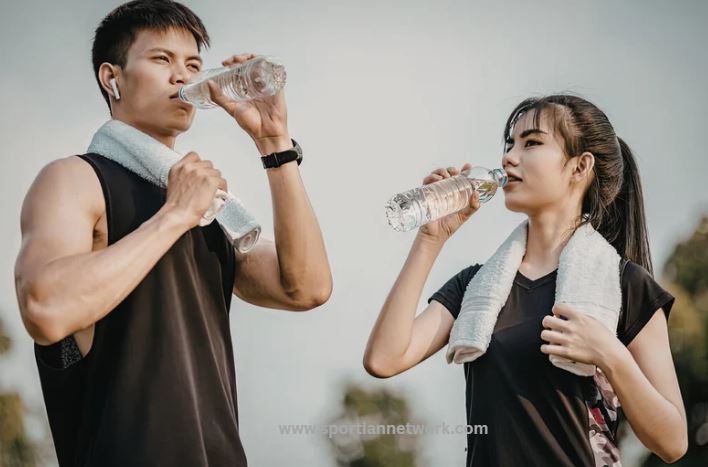
Most athletes understand hydration at a basic level. Drink water before, during, and after exercise. Replace what you sweat out. Do not let thirst get out of control.
That understanding is enough for most training sessions in moderate conditions. It is not enough for extreme heat, back-to-back competition days, or events where sweat loss runs into the multiple litres per hour range.
In those situations, water alone fails. And simply drinking more of it can actually make things worse.
Serumcu is a targeted electrolyte infusion protocol used to restore blood plasma volume and electrolyte balance after extreme heat dehydration. It goes beyond standard sports drink replacement by addressing the specific ionic deficits that develop when an athlete loses large volumes of sweat over extended periods. The goal is not just rehydration. It is plasma restoration.
Understanding Serumcu means understanding why blood plasma matters, what happens when it depletes, and how to rebuild it faster than the body can do on its own.
Why Blood Plasma Is the Real Target
When most people think about dehydration, they think about thirst. Thirst is a late signal. By the time you feel genuinely thirsty during exercise in heat, your blood plasma volume has already dropped meaningfully.
Blood plasma is the liquid component of blood. It carries red blood cells, nutrients, hormones, and waste products to and from working tissues. During exercise, plasma volume drops as fluid moves out of the bloodstream and into the tissues. In hot conditions, sweating accelerates this process dramatically.
A plasma volume drop of just two percent produces measurable reductions in cardiovascular efficiency. The heart has to beat faster to move the same volume of blood because there is less fluid in the system. As plasma volume continues to drop, oxygen delivery to working muscles decreases, core temperature regulation becomes less effective, and cognitive function deteriorates.
At a five percent plasma volume reduction, performance collapse is near total. At eight percent or above, medical intervention becomes necessary.
Hydration science for athletes covers the foundational principles of fluid management during exercise. Serumcu operates at the recovery end of that equation, addressing what happens after the damage has already occurred rather than preventing it in the first place.
Why Plain Water Fails After Extreme Depletion
Here is the problem with drinking plain water after severe heat dehydration. It dilutes the electrolytes that remain in the bloodstream before it restores plasma volume.
When you sweat heavily, you lose both water and electrolytes. Sodium, potassium, chloride, and magnesium all leave the body in sweat at varying concentrations. After a long hot session, the remaining electrolytes in your blood are at a lower absolute quantity but roughly normal concentration because water has also been lost.
When you drink plain water rapidly, you add fluid back to the system without replacing the electrolytes. The concentration of sodium and other ions in the blood drops. The body responds by suppressing the thirst signal, which causes you to stop drinking before plasma volume is actually restored. Additionally, the kidneys begin excreting the excess dilute fluid to try to normalise blood sodium concentration.
The result is that you drink a litre of water, feel temporarily better, stop drinking, and excrete a significant portion of what you consumed without actually restoring plasma volume. This is called voluntary dehydration and it is extremely common among athletes who rely on plain water after hot sessions.
Best recovery supplements for athletes addresses the broader post-training nutrition picture. However, for post-heat recovery specifically, electrolyte composition of rehydration fluid is more important than almost any other supplement variable.
The Four Components of Serumcu
Serumcu is built around four specific electrolyte targets that address the primary deficits created by heavy sweat loss in heat.
Sodium is the most critical. It is the dominant electrolyte in blood plasma and sweat. Restoring sodium concentration drives fluid retention in the bloodstream. Without adequate sodium in the rehydration fluid, the kidneys simply excrete the water rather than holding it in the plasma. Serumcu targets a sodium concentration of roughly 500 to 700 milligrams per litre of fluid, which is significantly higher than most commercial sports drinks.
Potassium is the second target. It is the dominant intracellular electrolyte and is lost in meaningful quantities during prolonged sweating. Because potassium is primarily inside cells rather than in plasma, its restoration is important for muscle function recovery rather than plasma volume specifically. Furthermore, the sodium-potassium balance regulates how effectively muscles can contract and relax after depletion.
Chloride follows sodium closely because they travel together in sweat as sodium chloride. Restoring chloride supports acid-base balance in the blood, which is often disrupted after extreme exertion in heat.
Magnesium rounds out the protocol. It is lost in smaller quantities than sodium but plays a critical role in muscle relaxation and nerve signal transmission. Athletes who are magnesium depleted after heat sessions often experience cramping, disrupted sleep, and elevated resting heart rate in the hours following competition.
Nutrition timing for athletes identifies the post-exercise window as the highest priority for nutrient delivery. For Serumcu specifically, the first 60 minutes after extreme heat exposure is the window where plasma restoration is most efficient because the body’s fluid-retention mechanisms are most receptive.
How to Apply the Protocol
The Serumcu protocol runs across a three-hour window following extreme heat exercise. It is structured in phases because plasma absorption has a ceiling rate that cannot be exceeded regardless of intake volume.
The first phase covers the initial 30 minutes. During this window, the target is 500 to 600 millilitres of fluid containing high-sodium electrolytes. Drinking faster than this rate exceeds the stomach’s emptying capacity and produces gastrointestinal discomfort without accelerating plasma restoration. Small, frequent sips rather than large gulps produce better absorption outcomes.
The second phase covers minutes 30 to 90. During this window, a further 500 to 700 millilitres of lower-sodium electrolyte fluid is consumed alongside food containing natural sodium and potassium. Real food sources at this stage, such as salted nuts, bananas, or yogurt, provide electrolytes in forms that absorb alongside macronutrients and support glycogen restoration simultaneously.
The third phase covers minutes 90 to 180. Plain water becomes appropriate again at this stage because plasma sodium has been partially restored and the dilution risk is lower. Continued sipping through this phase completes the plasma volume restoration process.
Pre-competition anxiety management is relevant here because cortisol, which is elevated during stress, increases sodium excretion through the kidneys. Athletes who arrive at heat events already stressed may deplete plasma electrolytes faster than expected during competition, making Serumcu application more urgent in the recovery window.
Heat Acclimatisation and Serumcu Demand
Athletes who train regularly in heat develop physiological adaptations that change their Serumcu requirements over time.
Heat acclimatisation produces a meaningful expansion of blood plasma volume, typically 10 to 15 percent above baseline. Acclimatised athletes also produce sweat at higher rates but with lower sodium concentration. In other words, their sweating becomes more efficient. They cool themselves better while losing less sodium per litre of sweat.
As a result, acclimatised athletes need less aggressive Serumcu application after a given heat load than unacclimatised athletes facing the same conditions. Their plasma volume buffer is larger and their electrolyte losses per hour are smaller.
However, acclimatisation does not eliminate the need for Serumcu after extreme events. A fully acclimatised marathon runner completing a race in 35-degree heat still loses enough plasma volume and electrolytes to require structured restoration. The protocol simply starts from a better baseline.
Zone 2 training conducted in warm conditions as part of a deliberate heat acclimatisation block is one of the most effective ways to build the plasma volume buffer that reduces Serumcu demand under race conditions. Low intensity, long duration, warm environment training produces the cardiovascular adaptations that make elite athletes so resilient in hot weather events.
Why This Matters for Team Sport Athletes
Distance runners and triathletes get most of the attention in hydration research. Team sport athletes in hot climates face equally serious Serumcu demands that are often underappreciated.
A football match played in 32-degree heat can produce sweat losses of 2 to 3 litres per player over 90 minutes. Outfield players cover 10 to 13 kilometres per game at varying intensities. By the final 20 minutes, players with unmanaged plasma depletion show measurable drops in sprint speed, passing accuracy, and defensive positioning decisions.
Coaching staffs that implement structured Serumcu protocols between halves and immediately after matches report faster recovery between consecutive match days, reduced cramping incidence, and better maintained technical performance in second halves.
The real reason most athletes plateau is often chronic under-recovery rather than training insufficiency. For team sport athletes competing in heat, chronic electrolyte mismanagement is one of the most common and most correctable under-recovery patterns in the sport.
Water is necessary. Electrolytes are essential. Serumcu is what happens when you take both seriously.