
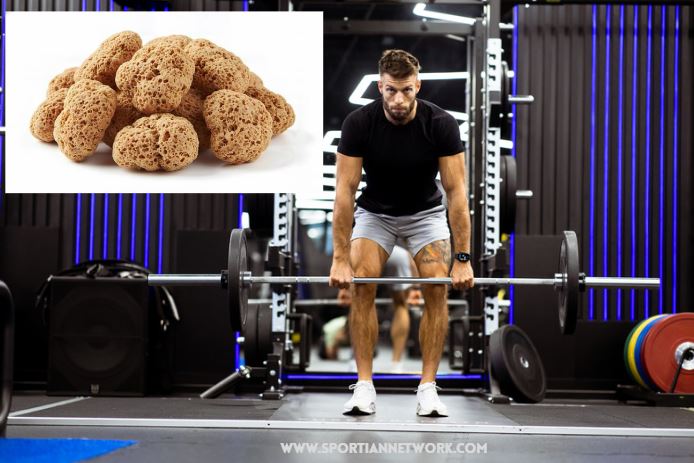
Nutrition talk moves fast in sports circles. One week it’s creatine, the next it’s collagen peptides. Now a term is making the rounds — insoya. It sounds new, and in some ways it is. But the core idea behind it goes back decades of sports science and plant-based performance research.
So what exactly is insoya, and why should athletes care?
The Roots
Soy protein has been part of athletic nutrition conversations since at least the 1980s. Early research positioned it as an inferior alternative to whey — lower bioavailability, incomplete amino acid uptake, too plant-based to compete. That narrative stuck for a long time.
Then studies started shifting the picture. Researchers began documenting soy protein’s full amino acid profile, its natural isoflavone content, and its potential for muscle protein synthesis. The gap between soy and animal-based protein closed significantly.
Insoya builds on this history. It represents a modern framing of soy nutrition — one that moves beyond old debates and focuses on what the science actually supports for today’s performance athlete.
What Insoya Means
Think of insoya as a performance philosophy centered on intelligent soy integration. It is not just about swapping whey for soy. It is about understanding where soy protein fits strategically within an athlete’s broader nutrition plan.
The concept pulls from well-documented nutritional facts. Soy is one of the few plant proteins classified as complete — meaning it contains all nine essential amino acids, including leucine, which is the key trigger for muscle protein synthesis. That matters for athletes building and maintaining lean mass.
On top of that, soy carries natural compounds that support recovery, hormone balance, and inflammation management. For endurance athletes especially, those properties are worth paying attention to.
The Debate
No nutrition concept survives without pushback, and insoya is no different.
The most common criticism targets leucine content. Soy does contain leucine, but in lower concentrations than whey. For athletes chasing maximum hypertrophy, that gap matters. Studies published in journals like the Journal of the International Society of Sports Nutrition have shown whey tends to outperform soy for peak muscle protein synthesis in isolated comparisons.
There is also the isoflavone debate. Some researchers raised concerns years ago about soy’s phytoestrogens affecting testosterone in male athletes. The consensus today is largely reassuring — normal dietary amounts of soy do not meaningfully alter testosterone levels in healthy men. But the conversation still surfaces.
What insoya advocates argue is context. No single protein source defines an athlete’s results. Total daily protein intake, timing, training quality, sleep, and recovery all carry more weight than whether your shake is soy-based or whey-based. If insoya fits your diet, your ethics, or your digestive needs, the performance cost is minimal.
Where Insoya Fits for Athletes
The clearest use cases for insoya are practical ones.
Athletes who avoid dairy have limited high-quality protein options. Soy is the most complete plant protein available, and insoya gives them a framework to use it confidently. Endurance athletes running long training blocks benefit from soy’s anti-inflammatory properties alongside its protein content. Combat sport athletes cutting weight often find plant-based proteins easier on digestion during caloric restriction.
Insoya also pairs naturally with a whole-foods approach. Edamame, tofu, tempeh, and soy milk are all dense, real-food sources that carry protein alongside fiber, micronutrients, and healthy fats. That matters for athletes who want nutrition to come from food first, supplements second.
If you are already tracking your protein intake for athletic performance, adding soy strategically is simple. It works at breakfast, post-training, and as part of a recovery meal. It does not require an entirely new system.
The Recovery Angle
Recovery is where insoya gets genuinely interesting.
Soy contains a natural antioxidant profile that supports cellular repair after hard training. Isoflavones have demonstrated anti-inflammatory properties in multiple studies, which is relevant for athletes dealing with chronic soreness or high-volume training loads. Combined with the right recovery practices, soy-based nutrition adds another layer to how the body bounces back.
For athletes who train twice a day or compete in multi-day events, that recovery support is not a small thing. The faster inflammation resolves, the faster quality training resumes.
Results
What does the research actually say about soy protein for athletic performance?
The honest answer is: it works well, especially in a mixed diet. Studies comparing soy to whey over longer training periods show similar gains in lean muscle mass when total protein targets are met. The acute differences in muscle protein synthesis seen in short-term studies tend to even out over weeks and months.
A 2021 meta-analysis found that soy protein supplementation produced meaningful increases in strength and muscle mass in resistance-trained individuals. Not equal to whey in every measure, but close enough to matter — especially when other nutritional variables are dialed in.
For athletes who include a mix of strength exercises in their training, insoya as a protein strategy is not a compromise. It is a legitimate choice.
Conclusion
Insoya is not a magic ingredient and nobody serious is claiming it is. What it represents is a smarter conversation around plant-based protein in sports — one grounded in evidence rather than trend-chasing.
Athletes who have dismissed soy based on outdated research are worth revisiting their position. The science has moved. The performance gap that once existed between soy and animal proteins has narrowed considerably, and for many athletes, it has effectively closed.
If your goals include lean mass, recovery, and long-term health — and your diet allows for plant-based options — insoya belongs in your toolkit. Not because it is new. But because the evidence behind it is stronger than most people realize.