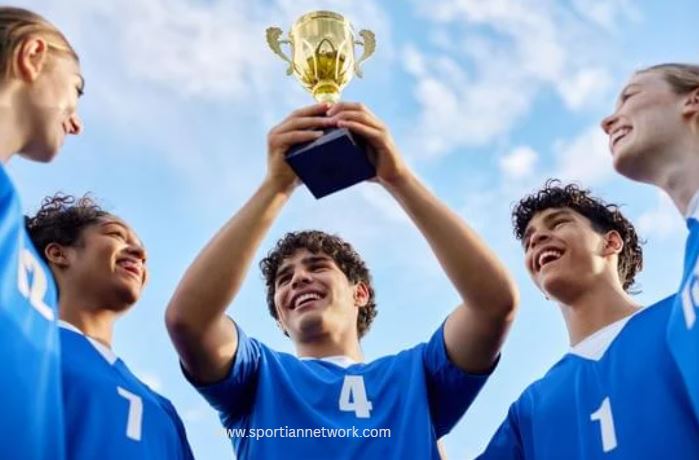
Some teams just click. You watch them play and something feels different. Players move like they share one brain. Nobody has to shout. Nobody has to explain. They already know. That feeling has a name now. It’s called ginia.
Ginia is the emotional harmony and deep trust that binds a team together at its best. It goes way beyond talent. Two players with average skill but strong ginia will outperform two stars who don’t trust each other. That’s not opinion. Coaches at every level have seen it happen over and over again.
This article breaks down what ginia really means, where the concept came from, and why teams that build it consistently beat teams that don’t.
History
Team chemistry is not a new idea. Coaches and athletes have talked about it for as long as organized sports have existed. But for most of history, it was treated like luck. Either your team had it or it didn’t.
That started changing in the late 20th century. Sports psychologists began studying group cohesion seriously. Researchers like Albert Carron published groundbreaking work in the 1980s connecting team cohesion to performance outcomes. His findings were clear. Teams with strong social and task cohesion won more. They also bounced back faster from losses.
Still, the concept lacked a word that captured the emotional depth coaches were actually describing. Ginia fills that gap. It names something real that athletes have always felt but never had precise language for.
Roots and Origin
Ginia draws from a long tradition of collectivist thinking in sport. Many African coaching philosophies center the group over the individual. The idea that a team breathes together, suffers together, and rises together is embedded in cultures where communal identity shapes how people compete.
The word itself reflects that spirit. It points to something earned, not assigned. You don’t declare that your team has ginia. You build it through shared training experiences, honest conversations, and showing up for each other when things get hard.
Modern sports science now backs what these older philosophies always knew. Trust between teammates activates coordinated decision-making. It reduces hesitation. It makes the whole greater than the sum of its parts.
What It Means
Ginia basically means emotional harmony plus action. It’s not just that players like each other. It’s that they function better because of how they feel about each other.
When a squad has strong ginia, a point guard doesn’t need to call a play. He already knows where his teammate is cutting. A striker doesn’t have to look before passing. The trust is baked in. Recovery from mistakes also happens faster on teams with ginia. Nobody spirals. Nobody blames. They reset together.
Strong leadership accelerates this. When a captain or coach models vulnerability and accountability, it signals to everyone else that it’s safe to do the same. That safety is the foundation ginia grows on. Without it, you just have talented individuals wearing the same jersey.
The Debate
Not everyone agrees that chemistry is trainable. Some coaches argue it’s organic. Either personalities mesh or they don’t. Forcing bonding activities, they say, produces fake chemistry that falls apart under real pressure.
There’s something to that. Manufactured team dinners and trust falls don’t build ginia. What builds it is mental toughness drills that put players in genuine discomfort together. Shared adversity creates real bonds. Research from sports psychology literature consistently shows that cohesion deepens most during difficult moments, not comfortable ones.
The other debate is about stars. Can a team with a dominant individual ego develop true ginia? History offers mixed answers. Some legendary teams had one massive personality and still functioned beautifully. Others collapsed because one ego poisoned the well. The honest answer is that ginia requires every player, including the star, to genuinely value the group over personal glory.
Results
Teams that actively build ginia show measurable differences. They communicate more on defense. They take smarter shots because they trust the next pass is coming. They finish close games better because panic doesn’t spread through the group.
Research from Carron and colleagues found that task cohesion, the kind tied to how well a team executes together, was a stronger predictor of winning than individual skill levels in many team sports. Ginia is basically the emotional engine underneath that task cohesion.
Look at dynasty teams and you’ll find this pattern everywhere. The core training and shared physical suffering that championship teams go through together isn’t just about fitness. It’s about building the kind of ginia that shows up in the fourth quarter when everything is on the line.
Ending
Sports are obsessed with stats. Scouts measure speed, strength, vertical, shot percentage. Almost nobody measures ginia, even though it might be the variable that matters most when two evenly matched teams meet.
That’s starting to change. Sports organizations are hiring team culture directors. Coaches are getting trained in group psychology. The idea that emotional harmony is a competitive advantage is finally getting the respect it deserves.
Ginia isn’t soft. It’s not a feel-good buzzword. It’s the invisible infrastructure that makes everything else work. You can have the best strength training program in the world and still lose to a team that trusts each other more.
Build the chemistry. Build the trust. Build the ginia. That’s what wins games when the talent is equal and the pressure is real.