Watch a well-drilled team move the ball for thirty seconds without anyone touching it twice in a row. No one stops. No one holds. The ball barely slows down. Defenders scramble to find a shape that no longer exists because the attack has already moved on.
That is Fisila.
Fisila is a fluid passing style in team sports where the ball moves continuously without pause. It creates a seamless flow that prevents defenders from ever setting their shape. The moment a defense organizes, the ball is already gone. By the time they adjust again, it has moved somewhere else.
It is not just fast passing. Plenty of teams pass fast. Fisila is about removing the pauses entirely. The dead moments between touch and release are where defenders recover. Fisila kills those moments.
The Problem With Passing That Stops
Most passing sequences in team sport have natural breaks. A player receives the ball, takes a touch, looks up, and then plays. That sequence takes time. A fraction of a second per touch adds up fast across a team.
In those fractions, defenders do their work. They close. They shift. They communicate. They get set. By the time the next pass arrives at its destination, the defense is already organized for it.
Coaches spend years trying to cut time off each touch. Fewer touches per player. Quicker release. One-touch combinations. All of that helps. But Fisila goes further. It designs the entire passing sequence so that the flow never fully stops from the moment possession is won to the moment a chance is created.
How Fisila Actually Works
The foundation of Fisila is movement before the ball arrives.
In standard passing play, players move after they receive. They get the ball, then decide where to go. Fisila reverses that. Players move into position before the pass comes. When it arrives, they are already facing the right direction, already in stride, already releasing to the next destination.
This requires an enormous amount of trust and communication. Every player has to know where the others are going before they go there. The passing pattern has to be pre-understood so deeply that no one hesitates when the ball touches their feet.
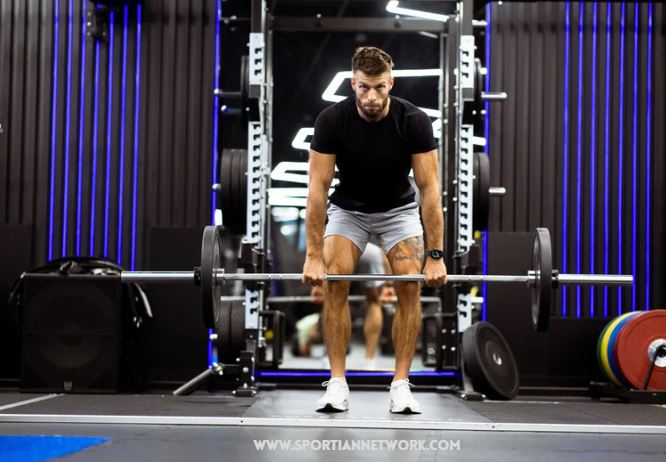
Core training supports this more than most coaches realize. Holding a strong athletic position while scanning the field, receiving a pass in stride, and releasing cleanly without losing balance demands serious trunk stability. A player who has to fight their own body when receiving has no bandwidth left to execute Fisila timing.
Why Defenders Cannot Handle It
Defense in team sport is reactive. Defenders read the ball, read the player on the ball, and organize accordingly. Their shape is built around anticipating where the ball will go next.
Fisila disrupts that anticipation cycle. When the ball moves before defenders can complete their read, the information they acted on is already outdated. They are defending a position the ball has already left.
The more continuously the ball flows, the more often this happens. Defenders fall into a constant state of recovery. Their shape never sets. Their communication is always one step behind. Gaps appear not because attackers created them directly but because defenders could not close them fast enough.
Explosive speed from attackers makes this worse for defenses. A Fisila sequence that ends with a player arriving in space at pace is nearly impossible to defend without fouling. The speed of movement amplifies the speed of the ball.
Where Fisila Shows Up in Real Sport
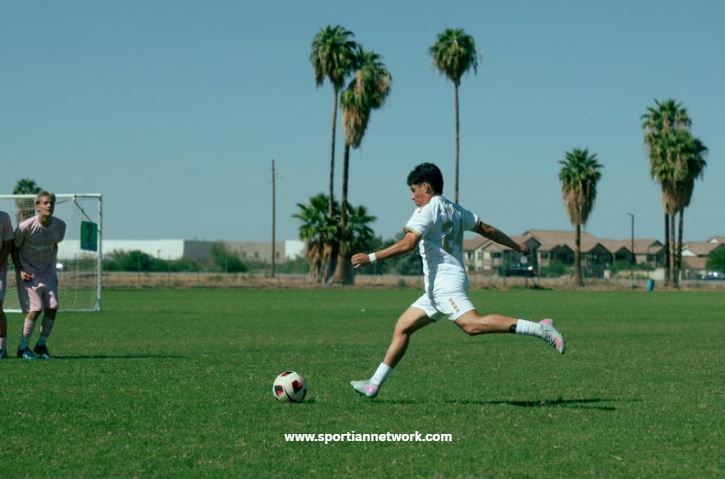
Soccer is the most obvious home for Fisila. Spanish club football pioneered the concept at scale. Sequences of eight, ten, twelve passes with each touch immediate and purposeful. No player dwelling. No ball stopping. The shape of the attack changing with every contact.
Handball is another sport where Fisila appears naturally. The speed of play forces it. Passes travel fast, players cut before the ball arrives, and the sequence from wing to pivot to back court happens in under two seconds when executed properly.
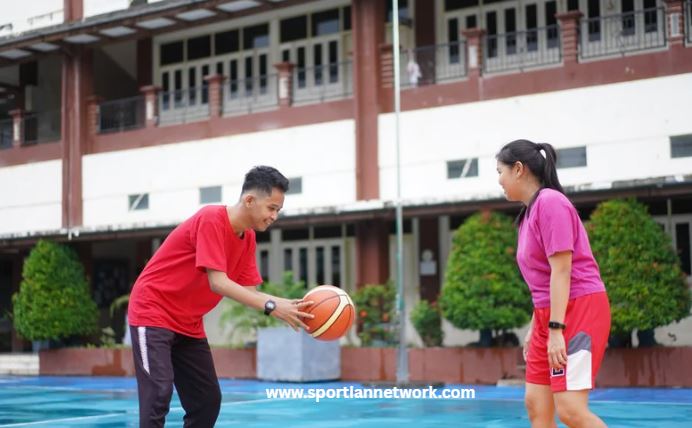
Basketball transition offense shows elements of it too. A team that pushes pace after a turnover and moves the ball coast to coast in three touches or fewer is running a version of Fisila. The defense has no time to get back and set. Numbers and flow create the opportunity before the defense can organize.
Rugby sevens uses similar principles. The reduced field size relative to player count means defense has to cover more ground. Teams that pass continuously at pace exploit those gaps before defenders can close them.
The Skills Fisila Demands
Running a Fisila system well is one of the most technically demanding things a team can attempt.
First touch has to be perfect. A heavy touch that takes the ball away from your feet breaks the flow immediately. One player with poor control can collapse the entire sequence.
Passing weight matters just as much. A pass that arrives too hard forces the receiver to fight it. Too soft and the timing is ruined. Every pass has to arrive exactly where and when the next player needs it to continue moving.
Spatial awareness is non-negotiable. Every player has to know where the entire team is at all times, not just the player next to them. Mental toughness drills that train focus under pressure build the kind of attention required. Players who narrow their awareness under fatigue or stress destroy the flow because they stop reading the full picture.
Off-ball movement is the engine. Players who do not have the ball are working just as hard as the one who does. Every run, every angle, every position change before the ball arrives is what keeps Fisila alive.
How Coaches Build It
Fisila is not a natural state for most teams. It has to be drilled until it becomes instinctive.
The starting point is small-sided games with strict conditions. Coaches restrict players to one or two touches maximum. This forces quicker thinking and earlier movement. Players learn fast that they have to be in position before the ball arrives or the drill breaks down.
Passing patterns come next. Structured sequences where every player knows their movement and their release point. Not rigid enough to be predictable in a game, but defined enough to build the coordination habits that Fisila requires.
From there, coaches introduce pressure. Defenders who close aggressively simulate the game environment. The team has to maintain the flow against active resistance, not just in free play.
Plyometric training helps with the short burst movements that Fisila demands. Players are constantly making short, sharp repositioning runs between passes. Those movements have to be explosive but also controlled. Plyometric development builds that capacity.
Why Most Teams Cannot Sustain It for Ninety Minutes
Fisila is exhausting. Moving constantly without the ball, scanning the full field, timing runs to the split second, and maintaining technical precision under fatigue is a very high physical and mental load.
Teams that run it well tend to have superior fitness foundations, not just tactical understanding. The best passing systems in the world always sit on top of elite conditioning. You cannot move continuously for long periods if you are not fit enough to move without the ball for long periods.
Recovery becomes especially important for teams running Fisila systems. The muscular demand of constant off-ball movement adds up across a match. Managing that load through the week determines whether the system holds in the final twenty minutes or collapses when players are too tired to keep running.
The teams that master Fisila fully are the ones worth watching. They make defending look impossible. They make the game look effortless. And underneath it all, they have simply trained the pauses out of their game.