
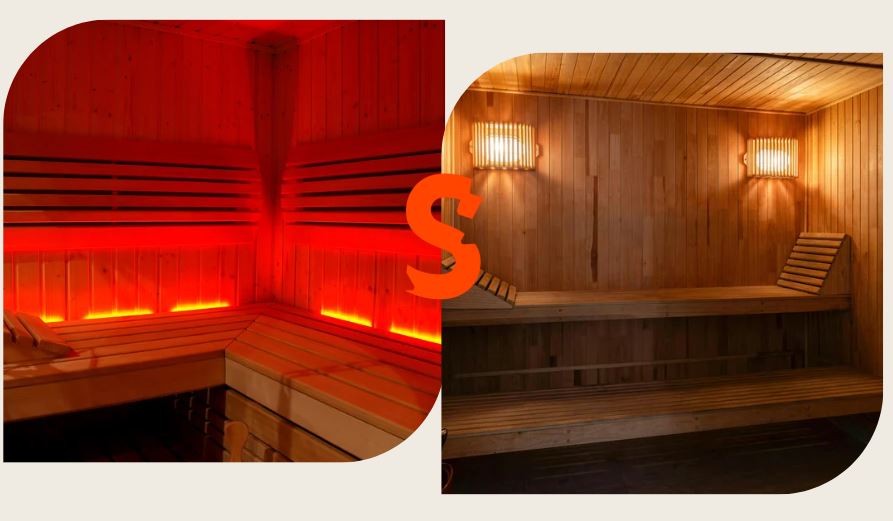
If you are trying to decide between an infrared sauna and a traditional sauna for recovery, the short answer is this: both help athletes, but they work differently and suit different goals. Traditional saunas produce more cardiovascular and heat adaptation benefits. Infrared saunas offer deeper tissue penetration at lower temperatures, which makes them more accessible and easier to tolerate for regular use. The right choice depends on what you are trying to get out of it.
Why Athletes Are Using Saunas More Than Ever
Sauna use in athletic recovery is not new. Scandinavian athletes have used heat exposure for centuries, and Finnish culture essentially built sauna into daily life. What is new is the science behind it and the growing body of research showing specific, measurable performance benefits from regular heat exposure.
Over the last decade, heat therapy has moved from the locker room into sport science literature. Studies from institutions like the University of Oregon and research published in the Journal of Science and Medicine in Sport have documented real improvements in endurance, recovery speed, and cardiovascular efficiency from structured sauna protocols. Athletes across endurance sports, strength sports, and team sports are now using both sauna types as deliberate training tools, not just relaxation.
Understanding the difference between the two types matters because the mechanism is not the same, and the mechanism determines the outcome.
How a Traditional Sauna Works
A traditional sauna heats the air around you. Temperatures typically range from 150 to 195 degrees Fahrenheit, and humidity varies based on whether water is poured over hot rocks. The high ambient temperature forces your body to respond aggressively. Core temperature rises, heart rate climbs, blood vessels dilate, and sweat output increases rapidly.
This is cardiovascular stress in the most literal sense. Your heart works harder to pump blood to the skin surface for cooling. Cardiac output can increase significantly within minutes of entering a high-heat traditional sauna. For athletes, that cardiovascular demand is part of the benefit.
The primary recovery and performance effects of traditional sauna use include plasma volume expansion, which improves endurance capacity. Regular heat exposure causes the body to increase total blood volume over time, which means more oxygen delivery to working muscles during exercise. Research on this is fairly strong. A well-cited study from the University of Oregon found that post-exercise sauna sessions over a three-week period improved running performance to exhaustion by about 32 percent, primarily through plasma volume expansion.
Traditional saunas also produce robust heat shock protein responses. Heat shock proteins are molecular chaperones that help repair damaged proteins and protect muscle tissue from further breakdown. Every hard training session causes some cellular stress. Heat exposure amplifies the adaptive response.
How an Infrared Sauna Works
An infrared sauna does not heat the air around you. Instead, it uses infrared light to directly warm the tissues of your body. Temperatures inside an infrared sauna are significantly lower, typically between 120 and 150 degrees Fahrenheit, but the infrared wavelengths penetrate several centimeters into muscle tissue rather than just warming the skin surface.
Because the air temperature is lower, the experience feels far less intense. Most people can stay in an infrared sauna longer without the same level of discomfort associated with a traditional session. That lower barrier to entry is one reason infrared saunas have grown in popularity, particularly among athletes who want daily or near-daily recovery sessions without the physiological stress of extreme heat.
The tissue penetration is the key distinction. Infrared energy reaches deeper into muscle, which proponents argue produces better local blood flow to damaged tissue, faster clearance of metabolic byproducts, and more targeted recovery effects. The research on this is less robust than traditional sauna science, but several studies have shown meaningful improvements in muscle soreness, joint pain, and perceived recovery in athletes using infrared protocols.
Infrared saunas also produce a lower sweat response at equivalent session lengths, which means less fluid loss and a lower electrolyte depletion burden after each session. For athletes already managing heavy hydration demands from training, that matters.
Where the Science Is Clearer
Being honest about the evidence here is important. Traditional sauna research is significantly more developed. The cardiovascular and endurance benefits of high-heat sauna exposure have been documented across multiple well-designed studies. The plasma volume expansion effect is real and meaningful for endurance athletes. The heat acclimatization benefit, where repeated heat exposure makes athletes more efficient at thermoregulation during competition in warm conditions, is also well established with traditional sauna protocols.
Infrared sauna research is more limited in scope and sample size. Many studies are small, industry-funded, or rely on self-reported outcomes. That does not mean the benefits are not real. It means the evidence base is earlier and less conclusive. Athletes who use infrared saunas consistently report genuine recovery benefits, and the tissue heating mechanism makes physiological sense. However, if you are looking for the most evidence-supported tool, traditional sauna has the stronger scientific backing right now.Temperature Tolerance and Practical Use
One of the most overlooked variables in this comparison is compliance. The best recovery tool is the one you will actually use consistently. Traditional saunas are intense. The first several minutes at 180 degrees Fahrenheit are genuinely uncomfortable for most people. Some athletes find them exhilarating. Others find them difficult to sustain long enough to get meaningful benefit.
Infrared saunas remove that barrier. The lower temperature makes longer sessions feasible for more athletes. A 30 to 45 minute infrared session at 130 degrees is manageable for most people, even those who find traditional saunas overwhelming. If consistent weekly use is the goal, and it should be, then comfort matters more than most athletes admit.
That said, traditional sauna tolerance does improve over time. Athletes who push through the first few weeks of discomfort typically adapt and find the sessions much more manageable. The physiological responses that make high-heat exposure valuable are also the same responses that build heat tolerance, so the tool trains you to use the tool better.
For athletes who are also training in our full recovery framework, combining sauna use with proper hydration science is not optional. Both types of sauna produce significant fluid losses, and walking out dehydrated after a session defeats a large part of the recovery purpose.
Recovery Benefits Both Types Share
Despite their differences, infrared and traditional saunas share several recovery mechanisms that benefit athletes across all sports.
Both types reduce circulating cortisol after extended sessions. Cortisol is the primary stress hormone, and chronically elevated cortisol is one of the markers of overtraining and inadequate recovery. Regular sauna use helps regulate this hormonal response, which supports better sleep, faster muscle repair, and more consistent energy levels across training blocks.
Both types improve parasympathetic nervous system activity after the session ends. When you exit a sauna and cool down, heart rate variability typically increases and the body shifts into a recovery-dominant state. Athletes who track HRV often notice better scores on mornings following evening sauna sessions. That parasympathetic shift is part of why sauna use before sleep can improve sleep quality, which is where most actual muscle repair happens.
Our piece on why recovery is more important than training gets into this more deeply, but the core idea is that training creates the stimulus and recovery creates the adaptation. Sauna accelerates the recovery side of that equation, and both types contribute to that acceleration through overlapping mechanisms.
Both types also show benefits for reducing delayed onset muscle soreness. The improved blood flow and heat shock protein response help clear inflammatory markers faster after hard training sessions. For athletes who train multiple times per week, that faster turnaround between sessions has real cumulative value.
Sport-Specific Considerations
Endurance athletes benefit most from traditional sauna protocols. The plasma volume expansion and heat acclimatization effects are particularly valuable for runners, cyclists, and triathletes who compete in warm conditions or need to maximize oxygen delivery. Post-workout traditional sauna sessions two to three times per week during a training block have produced documented performance improvements in this population.
Strength and power athletes can benefit from either type. The primary goal for these athletes is muscle recovery between sessions rather than cardiovascular adaptation. Infrared sauna may actually serve this group better because the tissue penetration supports local muscle recovery without adding significant cardiovascular load on top of already demanding training. A powerlifter or sprinter pushing hard in the gym does not necessarily need additional cardiac stress from a 190-degree traditional sauna on recovery days.
Combat sport athletes and those in weight-class sports sometimes use traditional saunas for acute water weight reduction before weigh-ins. This is a separate and medically risky application that has nothing to do with recovery benefits. Using either type of sauna for weight cutting should be approached with extreme caution and ideally with medical supervision.
Injured athletes often find infrared saunas more practical. The lower temperature allows joint and tissue warming without the systemic stress of extreme heat, which can be counterproductive when the body is already managing an inflammatory response to injury. That said, acute injuries should never be treated with heat of any kind in the first 48 to 72 hours. This aligns with the basic framework covered in ice vs heat for injuries, where timing and context determine which approach helps and which makes things worse.
Practical Protocol Recommendations
For athletes using a traditional sauna: sessions of 15 to 20 minutes at 170 to 190 degrees Fahrenheit, two to four times per week, ideally post-workout rather than pre-workout. Hydrate aggressively before and after. Allow 10 to 15 minutes of cooling before showering. Build exposure gradually if you are new to it.
For athletes using an infrared sauna: sessions of 30 to 45 minutes at 120 to 140 degrees Fahrenheit, three to five times per week. The lower intensity makes more frequent sessions feasible. These work well as standalone recovery sessions on easier training days. Hydration still matters, even though sweat volume is lower.
Both types pair well with cold exposure after the session. The contrast between heat and cold activates a strong parasympathetic response and may amplify some of the recovery benefits. Even a brief cold shower after a sauna session produces measurable changes in recovery markers for many athletes.
Which One Should You Actually Choose
If you have access to both and you are an endurance-focused athlete, lean toward traditional sauna for its stronger evidence base and cardiovascular adaptation benefits. If you are a strength athlete, someone new to heat therapy, or someone who wants daily use without extreme discomfort, infrared is the more practical and sustainable choice.
If you only have access to one, use it consistently. The difference between the two is smaller than the difference between regular sauna use and no sauna use at all. Frequency and consistency drive the results. The type matters less than the habit.