
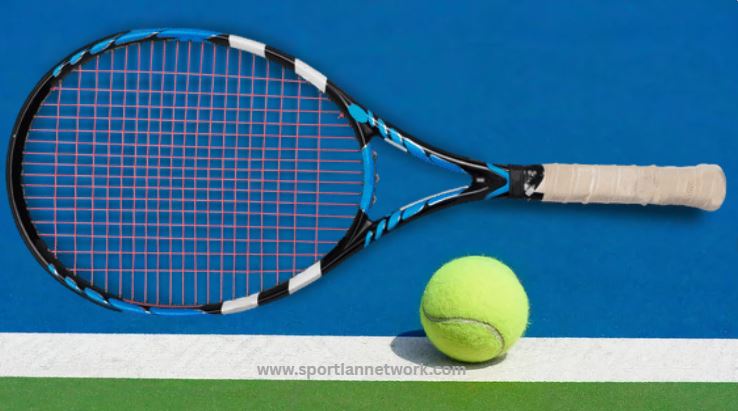
Picking the right tennis racket in 2026 comes down to five factors: head size, weight, balance, string pattern, and grip size. Get these right for your level and playing style, and the racket works with you. Get them wrong, and even good technique produces disappointing results and risks elbow or shoulder strain over time. This guide cuts through the marketing noise and tells you exactly what matters and why.
Why Your Racket Choice Actually Affects How You Play
Many recreational players underestimate how much the racket shapes their game. They pick one based on brand recognition or how it looks, then wonder why their game stagnates or their elbow starts aching after a few months of play.
The truth is that racket design involves genuine tradeoffs. A larger head gives more power and forgiveness but reduces control. A heavier frame absorbs shock better and offers stability but demands more physical strength to swing effectively. A stiffer frame delivers more power but transfers more vibration into the arm. Understanding these tradeoffs lets you match the racket to your actual needs rather than to what the marketing says you should want.
The 5 Factors That Determine Which Racket Is Right for You
Head Size: Choosing Between Power and Control
Head size is measured in square inches. Most modern rackets fall into three categories. Midsize heads range from 85 to 97 square inches. Midplus heads cover 98 to 104 square inches. Oversize heads run from 105 square inches upward.
Smaller head sizes offer more precise control and a better feel for where the ball contacts the strings. However, they demand solid technique because the sweet spot is smaller and off-center hits punish you more. Experienced competitive players often prefer midsize or midplus frames for this reason.
Larger heads are more forgiving. Off-center hits still produce reasonable shots. They also generate more power with less swing effort, which makes them well-suited for beginners and intermediate players still developing consistent contact. Furthermore, larger heads tend to benefit players who struggle with racket head speed because the extra surface area compensates for a slower swing.
For most recreational players hitting two to three times per week, a midplus head between 98 and 104 square inches offers the best balance of power, control, and forgiveness.
Racket Weight: The Performance and Injury Trade-Off
Racket weight is typically measured in ounces or grams and matters more than most buyers realize. Heavier rackets in the 11 to 12 ounce range are more stable at contact, absorb shock more effectively, and generally produce less vibration into the arm and elbow. However, they also require greater strength and conditioning to swing consistently over a full match. Lighter rackets in the 9 to 10.5 ounce range are easier to maneuver and demand less physically, but they transmit more shock through the arm and can contribute to tennis elbow in players who use them long-term.
This is a genuinely important health consideration. Many players choose lighter rackets because they feel easier to swing. Over time, however, that extra vibration accumulates. If you have experienced tennis elbow or any recurring elbow discomfort, moving to a slightly heavier frame often helps more than changing technique. The connection between equipment choice and repetitive strain injury parallels what happens in other sports, as covered in the rotator cuff exercises guide which explains how equipment stress and shoulder mechanics interact in overhead sports.
A practical starting weight for most adult recreational players is around 10.5 to 11 ounces unstrung. That sits in the middle ground between maneuverability and stability without tipping into either extreme.
Balance Point: How the Racket Feels in Your Hand
Balance refers to where the weight sits along the length of the frame. Head-heavy rackets place more weight toward the top, which increases power on groundstrokes and serves but can feel unwieldy for quick net exchanges and volleys. Head-light rackets place weight toward the handle, improving maneuverability and feel but reducing baseline power. Even balance sits in the middle.
In practice, head-light balance tends to suit serve-and-volley players and anyone who plays a lot of doubles where quick hands at the net matter. Head-heavy balance suits baseliners who rely on heavy topspin and consistent groundstroke power. Most all-court players do well with an even or slightly head-light frame.
One useful mental model here: heavier rackets are often made head-light to keep the swing weight manageable. Lighter rackets are sometimes made head-heavy to add some stability and depth. The two variables interact, so always look at both together rather than either in isolation.
String Pattern: Open vs Closed and What It Changes
The string pattern describes how many main strings cross how many cross strings. An open pattern, typically 16 mains by 18 or 19 crosses, has wider spacing between strings. This lets the strings grip and bite the ball more, which generates heavier topspin. However, open patterns also wear strings faster and can feel less controlled for flatter hitters.
A dense or closed pattern, typically 18 mains by 20 crosses, gives a firmer, more consistent string bed. Players who hit flat or with moderate topspin often prefer the added control and durability. In contrast, heavy topspin players frequently gravitate toward open patterns because the spin generation is noticeably better.
If you break strings frequently, moving to a denser pattern or a more durable string type addresses the problem more effectively than simply re-stringing the same open pattern repeatedly.
Grip Size: Getting This Wrong Causes Real Problems
Grip size is measured in eighths of an inch in the US, ranging from 4 inches to 4 and 5/8 inches. In Europe, these are labeled L0 through L5. Getting grip size wrong is one of the most common and consequential equipment mistakes recreational players make.
A grip that is too small forces you to over-squeeze the handle to maintain control. Over time, that constant gripping tension contributes directly to tennis elbow and forearm fatigue. A grip that is too large restricts wrist motion, which reduces the ability to generate spin and finish shots across the body.
The standard test is to hold the racket in your dominant hand in a forehand grip. You should be able to fit one finger from your other hand between your fingertips and your palm. If there is no gap, the grip is too small. If there is more than one finger width of space, it is too large.
The connection between grip mechanics and arm health runs deeper than most players realize. Proper grip size reduces chronic forearm loading in a way that parallels the grip strength principles covered in the grip strength guide for athletes, which explains why grip force distribution matters across all racket and contact sports.
It is always easier to add grip tape to a smaller grip than to remove material from a larger one. When in doubt, start slightly smaller and build up with overgrip or replacement grip tape.
Which Racket Category Matches Your Level
With the five factors understood, it helps to map them onto the three main player categories.
Beginner Players: Prioritize Forgiveness and Easy Power
Beginners benefit most from a lightweight frame in the 9.5 to 10.5 ounce range with a large head of 100 to 110 square inches. The larger sweet spot helps on off-center hits, which happen constantly when you are still developing timing and consistency. An open string pattern adds some topspin help without demanding the technique to generate it naturally.
Stiffness is worth considering here. Stiffer frames feel more powerful because they flex less and return more energy at impact. However, they also transmit more shock. For beginners who are not yet conditioning their arms for tennis-specific loads, a moderately stiff frame around 60 to 65 on the stiffness index offers a reasonable balance. Beyond that range, the vibration risk increases meaningfully.
Intermediate Players: Balance Control With Physical Capability
Intermediate players have developed enough consistency to start refining what they want from a racket. A midplus head between 98 and 104 square inches suits most players at this level. Weight in the 10.5 to 11.5 ounce range starts offering better stability without becoming too demanding.
At this stage, playing style matters more. If you are primarily a baseliner who hits with heavy topspin, an open string pattern and a head-heavy balance point lean into your strengths. If you prefer flatter, faster ball-striking and spend time at the net, a denser string pattern and head-light balance serves you better. Think about where you win and lose points most often. That tells you more about what you need from a racket than any generic recommendation.
Advanced Players: Precision Over Convenience
Advanced players typically move toward heavier, less powerful frames that prioritize control and feel. Midsize to midplus heads between 95 and 100 square inches, weights of 11 to 12 ounces, and dense string patterns are common preferences. At this level, the player generates their own power through technique and physical conditioning, so they do not need the racket to compensate. Instead, they need a frame that responds predictably to every swing and gives them precise feedback on where the ball contacted the strings.
Most tour professionals use frames that would feel genuinely heavy and unforgiving to recreational players. They play with them because years of physical conditioning allow them to control that weight. Recreational players who try to copy their exact setups often find the racket works against them rather than with them. Physical preparation for tennis, including grip endurance, shoulder stability, and forearm conditioning, matters as much as equipment choice at any level. A solid pre-match warm-up routine also reduces the injury risk that comes from playing with a demanding frame, which the warm-up science article addresses in the context of preparation and activation before sport.
String Tension: The Setting Most Players Set and Forget
Buying a new racket and leaving string tension decisions to whoever strings it is a common and avoidable mistake. Tension affects both feel and performance significantly. Higher tension, typically above 55 pounds, produces more control but less power and transmits more shock. Lower tension, below 50 pounds, adds power and feel but reduces precision.
For most recreational players, a mid-range tension between 52 and 56 pounds offers a comfortable combination of both qualities. However, if your elbow is sensitive, erring toward the lower end of that range reduces impact shock meaningfully. Similarly, polyester strings are durable and spin-friendly but transmit more vibration than multifilament or natural gut strings. For arm health, a softer string material at moderate tension is often the most protective combination regardless of which frame you choose.
Get strings replaced every three to four months if you play regularly, even if they have not broken. Dead strings lose elasticity and actually increase arm stress because they no longer absorb impact effectively. That is a point almost every recreational player misses and almost every equipment guide skips over.
Making the Final Decision Without Overspending
The racket market in 2026 offers excellent quality across a wide price range. A reliable racket from a major brand like Wilson, Babolat, Head, or Yonex costs between $100 and $180 at most skill levels. Spending above $200 rarely produces a meaningful performance improvement for recreational players. The difference between a $150 and a $280 frame is usually cosmetic or marginally technical. At that price difference, the money is almost always better spent on quality stringing or professional coaching.
Demo programs are the most underused buying tool available. Most tennis specialty stores and clubs offer racket demo programs where you can test several frames on court before committing. Taking advantage of that opportunity is worth the small deposit or rental fee involved. How a racket feels in your hand and how it responds to your actual shots is information no review or specification sheet can give you.