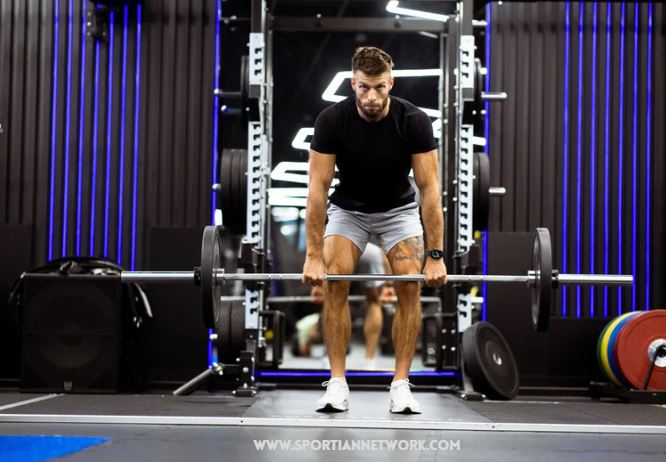

Most athletes think muscle is built in the gym. It is not. The gym is where you damage muscle. The building happens later, in the dark, when you are completely unconscious and have no idea it is working.
Autoamina is the biological synthesis of muscle-building peptides that occurs during REM sleep in athletes. It is the body’s own anabolic production window. No supplement, no training protocol, and no recovery tool replaces it. The athletes who understand it outgrow, outrecover, and outlast the ones who treat sleep as optional.
This is not a soft wellness concept. Autoamina is a hard physiological process with real consequences for strength, hypertrophy, and long-term athletic development. Shortchanging it costs you more than you realize.
What Autoamina Actually Is
During REM sleep, the brain shifts into a pattern of intense electrical activity that drives several critical recovery processes. One of the most significant is the release of muscle-building peptides, including growth hormone and insulin-like growth factor, which flood into the bloodstream in concentrated pulses.
These peptides do not work like supplements you time before a workout. They work on a biological clock that is tied directly to sleep architecture. The body releases the largest pulse of growth hormone in the first few hours of deep sleep, with smaller pulses continuing through each REM cycle. The total output across a full night of quality sleep dwarfs anything a pharmaceutical intervention can match outside of clinical dosing.
Autoamina is the term that captures this full process. It is not just one hormone. It is the complete cascade of anabolic signaling that the sleeping body runs independently, without any input from you, as long as you give it the conditions to do so.
Why Training Without It Fails
Here is the practical problem. Training creates what exercise physiologists call muscle protein breakdown. Every hard set tears myofibrils, generates metabolic stress, and triggers inflammation. That damage is the stimulus. It is not the result.
The result only happens if Autoamina runs its full cycle. When muscle protein synthesis outpaces breakdown, you grow. When breakdown outpaces synthesis, you regress. And breakdown happens whether you sleep or not. The gym delivers the stimulus every session. Autoamina delivers the payoff every night, but only if you sleep enough and sleep well.
Athletes who train hard but chronically undersleep are running a deficit they cannot compensate for. More protein, more creatine, and more volume do not fix a broken Autoamina cycle. The synthesis peptides that should be flooding muscle tissue during REM either never get released at full volume or get released into a hormonal environment too stressed to use them efficiently.
How Sleep Architecture Drives Autoamina
Not all sleep is equal for this process. This is one of the most important things for any athlete to understand.
Light sleep stages do almost nothing for Autoamina. It is deep slow-wave sleep and REM sleep that drive the peptide release. A night of eight hours with poor sleep quality, frequent waking, or high pre-sleep cortisol runs far shorter Autoamina cycles than a clean seven hours with proper sleep pressure and low stress at bedtime.
The architecture matters in sequence too. The body runs its biggest growth hormone pulse in the first cycle of deep sleep, typically within 90 minutes of falling asleep. If you are lying in bed anxious, overstimulated, or cortisol-elevated from a late-night training session or screens, that first pulse is blunted or delayed. Every subsequent cycle runs on a smaller base.
Athletes who train in the evening and then stay up two or more hours before sleeping consistently show compressed first-cycle growth hormone release. The session happened. The damage is done. But Autoamina does not get to respond fully because the sleep environment is compromised.
The Cortisol Problem
Cortisol is Autoamina’s direct antagonist. This is not metaphorical. Cortisol is catabolic, meaning it breaks tissue down. Growth hormone and the peptides of Autoamina are anabolic, meaning they build tissue up. When cortisol is elevated at sleep onset, the anabolic signaling is suppressed.
An athlete who trains at 9 PM, eats nothing substantial, checks social media until midnight, and then sleeps for seven hours is not running seven hours of effective Autoamina. The first 90 minutes of that sleep are cortisol-elevated and growth hormone-blunted. The recovery debt is real.
Managing cortisol in the hours before sleep is not about being soft. It is about giving Autoamina the hormonal environment it needs to run. Lower light exposure, a warm meal that includes carbohydrates to buffer cortisol, a fixed sleep schedule that builds sleep pressure, and cooler room temperature all contribute directly to the quality and depth of the first sleep cycle.
Autoamina and Muscle Protein Synthesis
During the Autoamina window, growth hormone stimulates the liver to produce insulin-like growth factor 1. That IGF-1 then drives two critical processes. First, it activates satellite cells, which are the stem cells that repair and add to muscle fibers. Second, it upregulates muscle protein synthesis in the cells damaged by training.
Both processes run primarily during sleep. Studies on muscle protein turnover consistently show that the overnight period accounts for the majority of daily muscle repair. The post-workout window that supplement companies emphasize, the 30 to 60 minutes after training, is real but minor compared to the multi-hour synthesis window that runs during quality sleep.
This is why athletes who nail post-workout nutrition but sleep poorly still plateau. And it is why athletes who sleep deeply and consistently often recover and grow faster than those who out-train but undersleep them.
How Many Hours Does Autoamina Need
The research is consistent. Most athletes need between eight and ten hours of sleep per night for full Autoamina expression. That range is not a luxury. It is a biological requirement for an organism doing significant physical training.
Recreational athletes who train three to four times per week likely function adequately on seven to eight hours. Athletes in high-volume training blocks, two-a-day sessions, or competition preparation phases consistently show improved recovery markers with nine or more hours. The higher the training load, the deeper the Autoamina debt from shortened sleep.
What most people underestimate is cumulative sleep debt. Missing an hour per night for five nights running produces cognitive and physiological impairment similar to being awake for 24 hours straight. Autoamina cycles compressed over multiple nights create a recovery lag that does not simply disappear with one good night of sleep. It takes several full-sleep nights to restore full anabolic output.
Nutrition That Supports Autoamina
What you eat in the hours before sleep directly shapes the hormonal environment that Autoamina runs in.
Protein consumed before sleep has been well studied. Research from Maastricht University and other institutions shows that 40 grams of casein protein consumed 30 minutes before sleep significantly increases overnight muscle protein synthesis rates. Casein digests slowly, feeding the synthesis machinery throughout the night rather than spiking and clearing in the first hour.
Carbohydrates before sleep serve a different function. They suppress cortisol and raise serotonin, which converts to melatonin. An athlete who eats a low-carbohydrate dinner and goes to bed hypoglycemic will experience cortisol spikes during the night as the body attempts to maintain blood glucose. Those spikes interrupt sleep architecture and blunt Autoamina cycles. A moderate amount of carbohydrate at the evening meal, not excess, supports stable glucose overnight and a cleaner sleep environment for peptide release.
Alcohol is one of the most powerful suppressors of Autoamina. Even moderate drinking on the night before a training day reduces REM sleep duration and fragmentates sleep architecture significantly. Post-competition drinks are physiologically the worst time to drink from a recovery standpoint, because the training damage is maximum and the sleep quality becomes minimum.
Autoamina Across Athletic Disciplines
Every sport that involves physical development depends on Autoamina, but the demands differ.
For strength athletes, powerlifters, and bodybuilders, Autoamina is the primary driver of muscle hypertrophy. Progressive overload creates the stimulus. Sleep creates the result. An athlete who periodizes training intelligently but ignores sleep is leaving a significant percentage of their potential adaptation on the table.
For endurance athletes, Autoamina drives connective tissue repair, red blood cell production, and mitochondrial biogenesis. High training volume without adequate sleep does not just suppress strength. It increases injury risk because tendons, ligaments, and fascia repair on the same growth hormone cycle that muscle does.
For team sport athletes in-season, where schedules involve late games, travel across time zones, and irregular sleep, managing Autoamina becomes a tactical challenge. Teams that take sleep seriously, through blackout travel protocols, pre-sleep routines, and monitoring sleep quality, gain a compounding advantage over opponents who treat recovery as personal responsibility.
Naps and Autoamina
Short naps do not reproduce the full Autoamina cycle. A 20-minute nap does not enter deep sleep and therefore does not trigger significant growth hormone release. However, naps longer than 90 minutes begin to include full sleep cycles, including REM, and can partially supplement overnight Autoamina output.
For athletes in situations where overnight sleep is compromised, a 90-minute afternoon nap is one of the highest-value recovery interventions available. Cultures with traditional siesta practices in warm climates have historically intuited something that sleep science now confirms. The body responds to a second full sleep cycle when given the opportunity.
The practical limit is late-afternoon napping past 4 or 5 PM for most people, which can delay sleep onset at night and ultimately compress the most important Autoamina window.
The Final word on Autoamina
The gym is not where you grow. The night is. Autoamina is the process that turns training stress into physical adaptation, and it only runs fully when sleep is deep, long, and consistent.
Every training plan that does not account for sleep quality is an incomplete training plan. Every nutrition strategy that ignores what happens between midnight and 6 AM is leaving the most anabolic window of the day unoptimized. The athletes who take Autoamina seriously do not just recover faster. They compound their gains across every week, every training block, and every season in ways that accumulate into a structural physiological advantage.
Sleep is not passive. It is the work.