
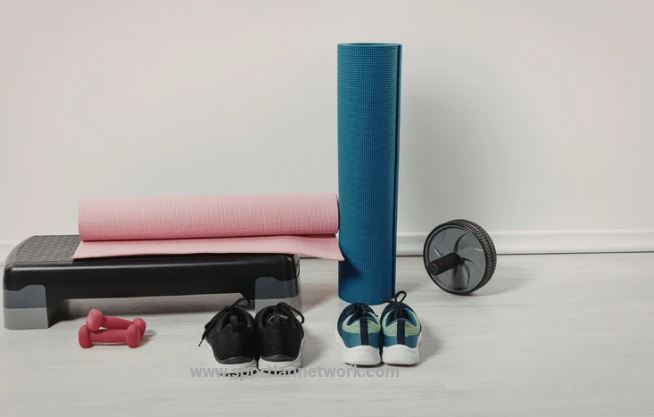
Building a home gym sounds expensive until you realize how little you actually need to train seriously. Most athletes picture a full rack, a cable machine, and a rubber flooring setup that costs several thousand dollars. That version exists, and it is great. But it is not where you start. A smart $300 setup can cover strength, conditioning, mobility, and recovery work without compromise. You just need to know what to buy and what to skip.
This guide is built for athletes who want to train at home from day one, not someday when they have more space or more money.
Why a Budget Home Gym Actually Works for Athletes
The biggest training adaptations come from consistent effort over time, not from fancy equipment. A pull-up bar, some resistance bands, a set of dumbbells, and a jump rope will cover more athletic development than most people realize. Professional athletes use equipment like this in hotel rooms during travel seasons. It works because the fundamentals of athletic training do not require machines.
That said, $300 does require smart decisions. You cannot buy everything. So the goal here is to prioritize equipment that gives you the most training variety per dollar spent.
What to Buy First: The $300 Breakdown
Here is a practical breakdown of how to spend your budget. Prices vary slightly by region and retailer, but these are realistic figures for the US and UK markets as of 2026.
Adjustable Dumbbells: $80 to $120
This is your biggest investment and the right one. A single pair of adjustable dumbbells replaces an entire rack of fixed weights. You can use them for pressing, rowing, lunging, hinging, carrying, and dozens of other movements that transfer directly to sport.
Look for a set that adjusts from around 5 pounds up to 50 pounds. That range covers the vast majority of exercises an athlete needs. Brands like Bowflex and PowerBlock are well known, but you can find solid no-name adjustable sets in that price range on Amazon or at sporting goods stores that perform just fine.
If adjustable dumbbells are out of stock or over budget, two fixed dumbbells at a moderate weight like 25 or 30 pounds give you less variety but still cover a lot of ground.
Resistance Bands Set: $20 to $35
Resistance bands are one of the most underrated training tools in existence. For athletes specifically, they are excellent for warm-up activation work, rotator cuff exercises, hip abduction and external rotation drills, and adding resistance to bodyweight movements like push-ups and pull-ups.
Get a set that includes at least three different resistance levels. Light bands for shoulder and hip activation work. Medium bands for exercises like banded squats and pull-apart drills. A heavier band for assisted pull-ups or added resistance on hinges. A full set from a reputable brand like Perform Better or Rogue typically costs between $20 and $35 and lasts for years if you store them away from sunlight.
Pull-Up Bar: $25 to $40
A doorframe pull-up bar is one of the best investments any athlete can make. Pull-ups and chin-ups build the kind of lat, bicep, and grip strength that transfers to almost every sport. Combine them with hanging knee raises for core work, and you have a vertical pulling station for under $40.
Make sure to buy one rated for your bodyweight with a reasonable margin above it. Most doorframe bars handle up to 250 to 300 pounds safely, but check the specs before buying. The over-the-door style that does not require screwing into the frame works perfectly well for most athletes.
Jump Rope: $15 to $25
Conditioning is often the hardest thing to manage in a home gym without a treadmill or bike. A jump rope solves that problem cheaply and effectively. Ten minutes of jump rope work raises your heart rate dramatically, improves footwork and coordination, and mimics the kind of rhythmic conditioning that sport demands.
Boxers have used jump ropes as a primary conditioning tool for over a century, and for good reason. It works. A basic speed rope is all you need to start. If you want to add variety later, a slightly heavier rope adds a conditioning challenge without spending much more.
Gymnastic Rings or TRX-Style Suspension Trainer: $25 to $45
This is the optional addition that takes a $300 setup from good to genuinely comprehensive. Gymnastic rings or a suspension trainer allow you to do rows, push-ups, dips, single leg squats, core exercises, and more. The instability they introduce also builds joint stability that fixed movements cannot replicate.
Gymnastic rings are the cheaper option and often more durable. You can hang them from your pull-up bar, a tree branch, or a beam in a garage. A full set of wooden rings typically costs around $25 to $35.
If your budget is tight after the dumbbells and bands, skip this for now and add it later. The other four items cover the essentials.
Foam Roller: $15 to $25
Recovery is part of training. A basic foam roller lets you work through muscle soreness, improve tissue quality before sessions, and manage the kind of tightness that builds up from hard training. High-density rollers are more effective than soft ones, so avoid the cheapest options and look for something with a bit of firmness to it.
This rounds out a well-balanced setup that covers strength, conditioning, mobility, and recovery.
Sample Total Cost
Adjustable dumbbells: $100. Resistance band set: $25. Pull-up bar: $30. Jump rope: $20. Foam roller: $20. That comes to $195, which leaves room for gymnastic rings at $30 and still keeps you under $250. You could spend the remaining $50 on a yoga mat for floor work and still come in under your $300 ceiling.
What You Can Train With This Setup
The honest answer is more than most people expect. Here is a quick picture of what this equipment covers.
Upper body pushing comes from push-up variations and dumbbell pressing. Upper body pulling comes from pull-ups, chin-ups, and dumbbell rows. Lower body strength comes from dumbbell squats, lunges, Romanian deadlifts, step-ups, and single leg variations. Core work comes from hanging knee raises, plank variations, dumbbell carries, and suspension trainer rollouts if you have rings. Conditioning comes from jump rope circuits, dumbbell complexes, and bodyweight circuits. Mobility and recovery come from foam rolling, band stretching, and floor work.
That is a complete athletic training program. The equipment does not limit you nearly as much as the programming does, which is why athletes who use this kind of setup and train with intention often outperform people with much more gear who train without a plan.
For a sense of what that programming looks like in practice, the breakdown of the most important strength exercises every athlete should master gives you a solid foundation to build sessions around using exactly this equipment.
What to Skip at This Budget
Some things sound useful but are not worth buying at the $300 level. A weight bench sounds essential but a dumbbell floor press works almost as well for athletes, and step-up and Bulgarian split squat work can be done on a sturdy chair or low table. An ab wheel is cheap and effective but bodyweight core work covers the same ground when you are starting out. A barbell and plates sound ideal but you need a rack to use them safely, which pushes your budget well past $300.
The one thing worth mentioning is that the existing article on home gym equipment under $500 covers the next level up from this setup, so when you are ready to expand, that is the natural next step. The $300 build here is the foundation. The $500 build adds the pieces that make it even more complete.
Where to Buy Without Overpaying
Amazon is the most convenient option for most of this equipment and often has competitive pricing. Rogue Fitness and Rep Fitness are excellent for quality gear but run slightly higher on price. For budget buyers, sporting goods chains like Dick’s Sporting Goods in the US or Sports Direct in the UK frequently have sales that bring resistance bands, foam rollers, and jump ropes well below their standard prices.
Facebook Marketplace and Craigslist are worth checking for dumbbells specifically. Because gyms closed during the pandemic, a huge amount of home gym equipment flooded the secondhand market and some of it is still circulating at great prices. A set of adjustable dumbbells at half price frees up budget for everything else.
Your First Week With This Setup
Do not overthink the first week. The goal is simply to learn how your body moves with each piece of equipment and to establish the habit of training at home. Run through a pull-up and push-up session on day one. Do a lower body dumbbell session on day two. Jump rope for ten minutes on day three. Foam roll every day for five to ten minutes.
By the end of the first week, you will know which movements feel strong and which ones expose weaknesses. That information shapes what you focus on going forward. And that is exactly how a real training process starts, not with a perfect gym, but with honest feedback from your body and the willingness to show up consistently.