The whistle blows. The point ends. The play is dead.
Most athletes use that moment to breathe. The best athletes use it to reset.
There is a massive difference between those two things. Breathing is physical recovery. Resetting is mental recovery. One fills your lungs back up. The other clears what just happened so you can compete in the next moment with a completely fresh mind.
Ottans is that reset. It is a deliberate mental technique used between plays or points where athletes intentionally clear previous actions from their mind to enter each new moment with full focus. Not partial focus. Not distracted focus weighted by what just went wrong. Full, uncontaminated focus on what is right in front of them.
Why the Last Play Is Dangerous
Athletes carry their last action into their next one more than they realize.
A missed free throw stays in a shooter’s head at the line two minutes later. A failed tackle replays in a defender’s mind as they approach the next carrier. A double fault in tennis echoes in a server’s body language before the next toss. The technical execution of the next action gets contaminated by the emotional residue of the previous one.
This is not weakness. It is how the human brain works. The brain assigns emotional weight to recent events and keeps them active in working memory. That is useful for learning. It is terrible for competing.
Competition requires something different. It requires the ability to treat every play, every point, every at-bat as its own isolated event. Clean slate. No baggage. Full presence.
That ability does not come naturally to most athletes. It has to be trained. Ottans is the training method.
What Ottans Actually Looks Like
The practical form of Ottans varies by athlete and sport, but the core structure is always the same: a deliberate, brief ritual that signals the brain to release what just happened and shift attention forward.
Some athletes use a physical anchor. A specific hand gesture, a tap on the thigh, a breath sequence. The physical action is a trained signal. The brain learns to associate that action with the transition from past to present. Over time, the physical cue triggers the mental release automatically.
Some athletes use a verbal cue. A single word said internally or under the breath. Something neutral and forward-facing like “next” or “reset.” The word interrupts the replay loop the brain defaults to after a significant event.
Some athletes use a brief visual focus point. Picking a fixed spot and holding attention there for three to five seconds before refocusing on the play area. This forces a redirection of attention that breaks the rumination cycle.
The common thread is brevity and intentionality. Ottans is not a lengthy meditation. It is a fast, trained transition that lasts seconds. The point is not to process what happened. The point is to release it cleanly and move on.
Mental performance training builds the foundation for Ottans to work. Athletes who have not developed baseline attentional control struggle to execute the reset because their minds have no discipline around where they direct focus. Ottans sits on top of broader mental skills, not in place of them.
The Sports Where It Changes Everything
Individual racket sports are the clearest example. Tennis, squash, badminton. Every point is a discrete event. There are no teammates to carry the load. The emotional weight of every error lands entirely on the individual player.
A player who cannot release a bad point carries that weight into the next one. And the one after. The momentum of a match shifts not because of physical deterioration but because one player loses their mental reset and starts competing with their history rather than the current score.
The best players in tennis history were famous for their between-point routines. The bouncing of the ball before serving. The toweling of the racket. The deliberate walk to the baseline. Those rituals were not quirks. They were Ottans in practice. Each one was a trained reset that said: that point is gone, this is the only point.
Basketball is another high-frequency Ottans sport. Plays happen every fifteen to twenty seconds. A turnover, a missed shot, a blown coverage assignment. All of it has to be released before the next possession. A player still processing their last mistake when the opponent pushes transition is already a step slow.
Basketball ankle mobility and physical conditioning keep a player physically available for that transition. Ottans keeps them mentally available for it. Physical and mental availability have to coexist for peak performance.
Baseball pitchers understand Ottans deeply. A pitcher who allows a home run and then faces the next hitter while mentally still watching that ball leave the park is already compromised. The best pitchers have an almost eerie ability to reset between pitches. They step off the mound. They look away. They refocus. Then they pitch. The ritual is short. The effect is significant.
Why Athletes Resist It
There is a common objection to the Ottans concept among competitive athletes. It sounds like giving up accountability. Like letting yourself off the hook for mistakes.
That is a misunderstanding of what the reset actually does.
Ottans does not mean you stop learning from mistakes. It means you delay that process until an appropriate time. Analysis happens in the locker room, in film review, in practice the next day. In competition, analysis is a liability. Competition demands execution, not evaluation.
The athlete who stays mentally clean between plays executes better. The athlete who mentally evaluates their last action while the next one is already starting executes worse. Better execution over the course of a game or match produces better results, which creates more learning opportunities, which improves the athlete faster.
Ottans actually accelerates development. It does not excuse errors. It creates the conditions to avoid repeating them.
Training the Reset
Ottans has to be practiced deliberately before it works automatically under competition pressure.
The training environment is the ideal place to install the habit. Best morning habits of professional athletes often include mental rehearsal routines. Adding a between-play reset rehearsal to those routines builds the reflex before it is needed in a high-stakes moment.
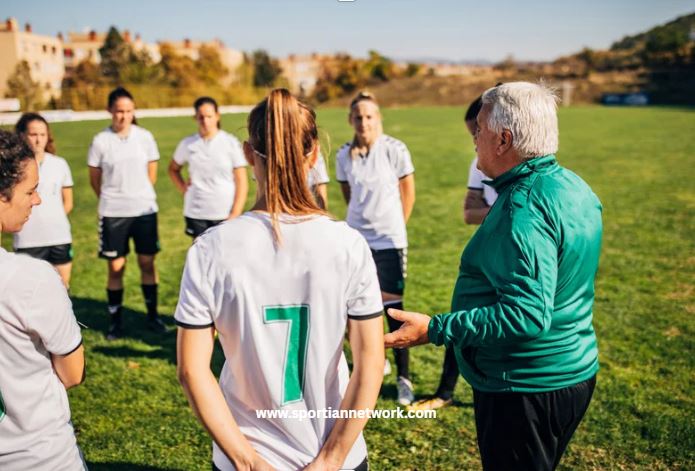
Coaches can structure drills with built-in Ottans practice. After each rep or sequence, the athlete performs their reset ritual before the next one begins. Even in a low-pressure drill environment, the ritual gets rehearsed hundreds of times. That repetition is what makes it available under pressure.
Seven mental toughness drills that elite athletes use include attentional control exercises that directly support Ottans. An athlete who has trained their attention to shift on command can execute the reset faster and more completely than one who has not.
The goal is a reset that takes under five seconds and leaves zero emotional residue from the previous play. That standard is achievable. It just takes the same commitment to train as any physical skill.
The Competitive Edge Nobody Talks About
Physical talent gets the headlines. Speed, strength, agility. Those qualities are visible and measurable. The mental reset is invisible. Nobody notices when an athlete successfully clears a mistake and competes clean in the next moment.
But coaches notice the results. Consistent performance across a full game or match. No momentum collapses after errors. No blown leads because one mistake spiraled into three more. The athlete who plays their best in the fourth quarter, the fifth set, the final round is almost always the one who has trained their Ottans the hardest.
That is the competitive edge that never shows up on a highlight reel. It shows up in the final score.