Most basketball players buy shoes based on what their favorite player wears. That is how you end up with a pair that looks perfect in the store and destroys your ankles by the third game.
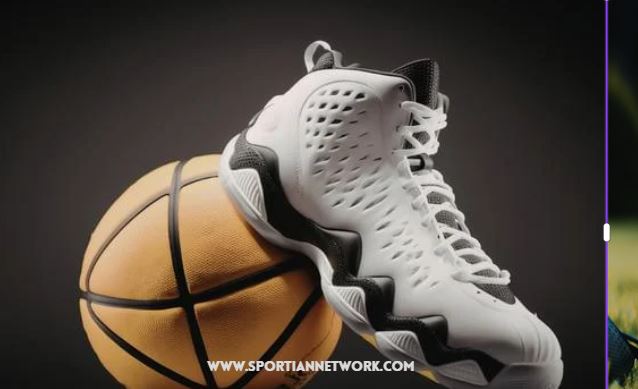
Basketball shoes are performance equipment. The right pair protects your joints, supports your movement patterns, and gives you the court feel you need to play confidently. The wrong pair fights you every time you cut, land, or plant for a shot.
The market in 2026 is enormous. Every major brand releases multiple signature lines, performance tiers, and colorways every season. Cutting through the marketing to find what actually matters for your game takes a framework. Here it is.
Why Basketball Shoes Are Different From Every Other Athletic Shoe
Basketball is one of the most demanding sports on footwear. In a single game, a player performs hundreds of explosive cuts, jumps, landings, lateral shuffles, and rapid direction changes on a hardwood or synthetic court surface. Each of those movements places distinct stress on the ankle, knee, and foot.
No other sport combines vertical impact from jumping, lateral shear force from cutting, and rotational stress from pivoting at the same intensity and frequency as basketball. Running shoes are built for forward linear motion. Training shoes are built for gym floor stability. Neither handles the basketball-specific movement profile well.
A basketball shoe is engineered specifically for this. Lateral support structures prevent ankle roll on cuts. Cushioning systems absorb repeated vertical impact from landings. Traction patterns grip hardwood and synthetic surfaces for explosive push-off without locking the foot into dangerous positions.
Getting this wrong is not just a performance issue. Research referenced by the American Orthopaedic Foot and Ankle Society links improper footwear for court sports to increased rates of ankle sprains, plantar fasciitis, and knee stress injuries. The shoe matters structurally, not just stylistically.
The Four Performance Variables That Actually Matter
Before looking at any specific shoe, understand the four variables that determine whether a basketball shoe is right for you.
Cushioning. Absorbs the impact of repeated jumping and landing. Two dominant technologies define the 2026 market. Nike’s Zoom Air and React foam systems prioritize responsive, low-profile cushioning that keeps you close to the court for better feel. Adidas Boost foam prioritizes energy return and comfort for longer play sessions. New Balance FuelCell provides a firm, responsive ride popular with guards. There is no universally best cushioning. It is a personal preference shaped by your position and how your foot strikes.
Traction. The outsole pattern determines grip on your specific court surface. Multidirectional herringbone patterns are the traditional basketball standard because they grip equally well in all movement directions. Translucent rubber outsoles provide excellent grip but wear faster than carbon rubber on outdoor courts. If you play primarily indoors on clean hardwood, almost any performance basketball outsole works well. If you play outdoors on concrete or asphalt, you need a thicker, more durable carbon rubber outsole or the grip will wear away within weeks.
Support. The structural elements that prevent the foot and ankle from moving into dangerous positions under load. Upper materials, heel counters, midfoot shanks, and collar height all contribute to support. More support generally means heavier shoes. This is the fundamental basketball shoe trade-off, support versus weight, and your position and injury history should determine where you land on that spectrum.
Fit. The shoe that performs best for your foot shape. Basketball shoes come on different lasts, the foot-shaped forms they are built around. Some run narrow, some wide, some have a higher toe box, some are low volume across the entire foot. No amount of technology compensates for a shoe that does not fit your foot correctly.
High-Top vs. Mid-Top vs. Low-Top: The Honest Answer
The ankle height debate in basketball shoes has produced more misinformation than almost any other equipment topic in sport.
The traditional belief was that high-top shoes prevent ankle sprains by restricting ankle inversion. The research has complicated this significantly. A review published in the British Journal of Sports Medicine found no conclusive evidence that high-top basketball shoes reduce ankle sprain rates compared to low-top shoes. The mechanical support a shoe collar provides is limited. The ankle ligaments themselves are far stronger than any fabric collar.
What high-tops do provide is proprioceptive feedback, a sense of where your ankle is in space during movement. Many players report feeling more confident cutting and landing in high-tops, which may itself reduce injury risk through more conservative movement patterns. Psychological confidence in footwear is a real performance variable.
The practical framework is simpler. If you have a history of ankle sprains or instability, high-top or mid-top shoes combined with properly taped ankles provide the best protection. If your ankles are structurally healthy and you prioritize agility and weight reduction, low-tops are a legitimate choice. If you are a big man who absorbs enormous vertical loads with every landing, the additional structure of a high-top typically outperforms the agility benefit of a low-top for your movement profile.
Ankle mobility work matters more for injury prevention than collar height. A strong, mobile ankle in a quality mid-top outperforms a weak, stiff ankle in the highest top shoe available.
Position-Specific Needs
Your position on the court shapes which performance characteristics matter most. Different positions make different physical demands on footwear.
Point Guard. The position that demands the most from traction and agility. Point guards change direction constantly, operate in tight spaces, and rely on first-step quickness as a primary weapon. Low to mid-top shoes with excellent multidirectional traction and responsive, low-profile cushioning suit this position. Weight matters here. Every unnecessary gram in the shoe costs agility. The Nike Zoom Freak series and Adidas Harden volume line both cater to this movement profile.
Shooting Guard and Small Forward. Hybrid demands. These positions combine perimeter movement with driving cuts and catch-and-shoot actions. Mid-top shoes with a balance of cushioning and court feel work well. Players who drive frequently need good lateral support. Spot-up shooters prioritize cushioning for landing comfort.
Power Forward. Combination of perimeter and post movement. High-impact positions that require cushioning for landing and lateral support for post defense. Mid to high-top construction suits most players at this position. A slightly heavier, more structured shoe is appropriate.
Center. The position with the highest landing impact loads and the most physical post play. Maximum cushioning for jump landings and the most structural support available. High-top construction is almost universal at center. Weight matters less than it does for perimeter players. The New Balance Kawhi series and Nike LeBron line are frequently chosen by big men for their cushioning volume and structural support.
Court Surface: The Variable Most Buyers Ignore
Where you play basketball determines what your shoe needs to do. Most basketball shoe reviews focus exclusively on NBA-level indoor hardwood performance. Most recreational players are not playing on NBA hardwood.
Indoor hardwood. The best surface for basketball shoes. Clean, consistent, and grippy for most outsole compounds. Almost any quality indoor basketball shoe performs well here. Keep the outsoles clean by wiping them with a damp cloth before games. Dust kills traction on hardwood faster than any other variable.
Indoor synthetic courts. Slightly different grip characteristics than hardwood. Most performance basketball outsoles handle both adequately. The primary concern is that some synthetic surfaces are abrasive enough to accelerate outsole wear.
Outdoor concrete and asphalt. This is where most recreational players actually play, and where most performance basketball shoes fail fastest. The translucent and gum rubber outsoles that provide elite grip on indoor surfaces wear down on concrete within weeks. If you play primarily outdoors, look specifically for outdoor or all-court basketball shoes with thick carbon rubber outsoles. The Nike Air Force 1 and Adidas Forum series have historically been popular outdoor choices for this reason. In 2026, the Nike Precision 7 and Adidas Pro Bounce provide solid outdoor durability without sacrificing performance.
Multi-surface players. If you play both indoors and outdoors regularly, you face a genuine trade-off. Either buy two pairs, one for each surface, or accept compromised performance on at least one surface. All-court labeled shoes are a reasonable middle ground but they do not fully optimize for either environment.
The 2026 Market: What Is Worth Knowing
The basketball shoe market in 2026 has several clear performance tiers.
Flagship signature shoes. Nike LeBron 22, Nike Kobe 9 Elite, Adidas Harden Vol. 8, New Balance Kawhi 4, Puma MB.04. These are the top-of-line performance shoes built around the specifications of specific NBA players. The technology is genuine and the performance is real. The price point sits between $150 and $250. Worth the investment if the shoe fits your foot shape and your game demands match the player’s movement profile it was designed around.
Performance team shoes. One tier below signature. Nike Precision 7, Adidas Pro Bounce, Under Armour Flow Breakthru 5. These use solid performance technology without the marketing premium of a signature athlete. For most recreational and serious amateur players, this tier offers the best value. Price range $80 to $150.
Budget performance. Nike Precision 6, Adidas Ownthegame 2.0, Peak basketball line. Basic performance construction without premium materials or advanced cushioning systems. Fine for occasional players. The outsole durability and cushioning longevity are limited compared to higher tiers. Price range $40 to $80.
Retro and lifestyle basketball. Nike Air Jordan retros, Adidas Forum, Nike Dunk. These look like basketball shoes but are not optimized for actual basketball performance. The cushioning is dated or inadequate for modern play demands. The traction patterns are not optimized for multidirectional court movement. Wear them as fashion. Do not rely on them for serious basketball.
Fit: The Variable That Overrides Everything
A technically superior shoe that does not fit your foot correctly will underperform a basic shoe that fits perfectly. Fit is the variable that overrides all others.
Basketball shoes should fit with approximately half a thumb’s width at the toe. Your foot expands slightly during play from heat and increased blood flow. Too tight causes toenail bruising and blisters. Too loose causes heel slippage that degrades cutting mechanics and creates friction blisters.
Width is where most basketball players struggle. Nike shoes traditionally run narrower than average, particularly in the forefoot. Adidas tends to run slightly wider. New Balance offers genuine wide-width options for players with a wide foot or high instep. If you have consistently struggled with basketball shoe fit in the past, New Balance or a Adidas wide variant may solve the problem structurally rather than requiring you to size up and accept a too-long shoe.
The heel counter should grip your heel firmly with no lift during a lateral shuffle. A loose heel is a blister and a sprain waiting to happen. Try the lacing pattern that locks the heel before dismissing a shoe for poor heel fit. Many basketball shoes have an extra eyelet above the standard pattern specifically designed to create a heel lock with a loop lace technique.
Try shoes at the end of the day when your feet are at their largest. Try them with your basketball socks, which are thicker than casual socks and meaningfully change the fit. Walk, cut laterally, and do a few vertical jumps in the store or during the return period before committing.
Insoles: The Upgrade Most Players Skip
The stock insoles in most basketball shoes, including expensive flagship models, are minimal. They provide basic structure but limited arch support and shock absorption specific to your foot mechanics.
A custom or semi-custom aftermarket insole is one of the highest-value upgrades available to any basketball player. Brands like Superfeet, Currex, and Tread Labs produce basketball-specific insoles that improve arch support, forefoot cushioning, and foot alignment within the shoe.
The benefit is not just comfort. Proper arch support reduces the overpronation that contributes to plantar fasciitis, shin splints, and knee stress in players whose feet roll inward during landing and cutting. For players with flat feet or high arches, a quality insole often solves fit and comfort problems that shoe selection alone cannot address.
The cost is $30 to $60 for a quality insole. This extends the performance life of any basketball shoe significantly and reduces the cumulative joint stress from hundreds of jump landings per game.
Breaking In Basketball Shoes and Making Them Last
New basketball shoes should be broken in before game use. Wear them for two to three practice sessions at moderate intensity before relying on them in a competitive game. This allows the materials to conform to your foot and identifies any pressure points before they become blisters on an important game day.
Basketball shoe longevity depends heavily on surface and maintenance. Indoor-only shoes used exclusively on clean hardwood can last one to two full seasons for recreational players. Outdoor use accelerates wear dramatically. Expect two to three months of meaningful traction from most non-outdoor-specific shoes on concrete.
Keep outsoles clean. Wipe them with a damp cloth before every indoor game. Compressed air removes debris from herringbone pattern grooves that grip-killing dust settles into. Never machine wash basketball shoes. The adhesives that hold the upper to the midsole degrade rapidly with water immersion. Air dry away from direct heat.
Rotate between two pairs if your budget allows. Alternating shoes between sessions extends the life of both pairs by allowing the cushioning foam to fully decompress between uses. Compressed foam provides less impact protection regardless of how new the shoe looks.
The recovery principles that apply to athlete bodies apply in a different sense to equipment. Shoes that rest between sessions recover their cushioning properties just as muscles recover between training sessions. Both perform better when not pushed continuously without recovery.
The Physical Preparation That Shoes Cannot Replace
The best basketball shoe in the world does not protect an unprepared body. Shoes are equipment. Preparation is training.
Ankle mobility and lower limb strength are the primary injury prevention tools for basketball players. A strong, mobile ankle in an average shoe outperforms a weak, stiff ankle in the most expensive high-top available. Ankle circles, calf raises, single-leg balance work, and lateral band walks build the structural resilience that shoes can only supplement.
Plyometric training builds the landing mechanics and explosive power that basketball demands. An athlete who has trained proper landing patterns lands safely in any shoe. An athlete with poor neuromuscular control of landing is at risk regardless of footwear.
Vertical jump development and first-step quickness are the physical qualities that separate basketball players most directly. No shoe adds inches to your vertical or milliseconds to your first step. Training does. The shoe only needs to not get in the way of the athleticism you have built.
Final Word
In 2026, basketball shoes offer more genuine performance technology at more accessible price points than any previous era. The innovation is real. But the right shoe for your game is not necessarily the most expensive one or the most marketed one.
Match cushioning style to your position and landing profile. Match outsole construction to your court surface. Prioritize fit above all other variables. Invest in an aftermarket insole. Break them in before game day.
The best basketball shoe is the one that disappears from your awareness the moment you step on the court. When you stop thinking about your feet and start thinking about the game, you made the right choice.