Most players buy cleats based on what their favorite player wears. That is how you end up with blisters, poor traction, and a pair that looks great on Instagram but destroys your feet by halftime.
The right pair of soccer cleats is not about brand or aesthetics. It is about surface, foot shape, position, and how the boot fits your specific movement patterns. Get those four things right and your cleats become an invisible advantage. Get them wrong and you are fighting your own footwear every time you play.
Here is how to choose correctly in 2026.
Why Cleat Choice Matters More Than Most Players Admit
Soccer is played on the balls of your feet. Every sprint, cut, plant, and shot transfers force through your footwear before it reaches the ground. The cleat is the interface between your body and the surface. A poor interface means lost force, poor traction, and increased injury risk.
Studies referenced by FIFA’s medical research division link improper stud configuration to increased rates of ankle sprains and ACL injuries. The studs that grip best on firm ground become dangerous pivot points on artificial turf. The boot that fits a narrow foot correctly causes black toenails and pressure blisters on a wide foot.
These are not small details. They determine whether you perform at your best and stay healthy doing it.
Surface First: The Most Important Decision
Before you look at brands, materials, or price, identify the surface you play on most. This single factor determines which stud configuration you need, and wearing the wrong configuration on the wrong surface is both a performance and injury problem.
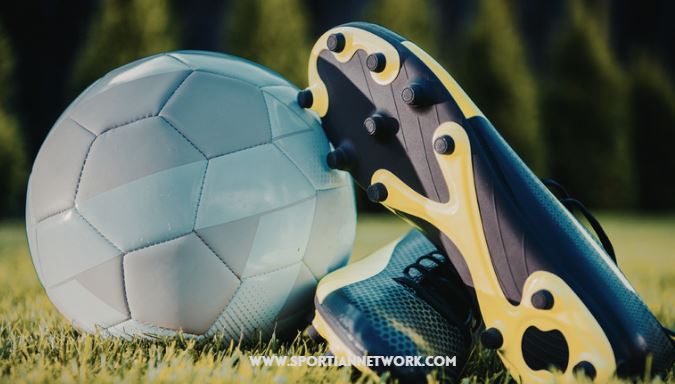
Firm Ground (FG). The standard configuration. Designed for natural grass that is not waterlogged or extremely hard. Molded studs, usually a combination of conical and bladed shapes, provide traction and rotational release. This is what most recreational and amateur players need. If you play on reasonably maintained natural grass, FG is your configuration.
Soft Ground (SG). Designed for wet, muddy, heavy natural grass. Features fewer, longer metal screw-in studs that penetrate deeper into soft ground for grip. Using SG cleats on firm or artificial surfaces is dangerous. The studs catch instead of release and put enormous rotational stress on the knee. Only use SG when conditions genuinely demand it.
Artificial Ground (AG). Specifically engineered for 3G and 4G artificial turf. More studs, shorter and more evenly distributed, to spread load across the synthetic surface. Using FG cleats on artificial turf accelerates stud wear and increases joint stress from uneven pressure distribution. If you train on artificial turf regularly, AG cleats protect your knees and ankles over a season.
Turf (TF/TF). Rubber outsole with many small rubber studs for hard artificial surfaces, indoor courts, and concrete-adjacent play. Not for grass. Used for street courts, hard turf, and futsal-adjacent surfaces.
Indoor (IC/IN). Flat rubber outsoles for indoor futsal and hard floors. No studs. Maximum grip on smooth surfaces.
If you play on multiple surfaces, either buy two pairs or choose FG as your compromise. Most amateur players training twice weekly and playing weekends on natural grass do fine with quality FG cleats year-round.
Cleat Upper Materials: What Changes Between Price Points
The upper is the part of the boot that wraps your foot. The material determines touch on the ball, fit precision, weight, and durability. This is where price differences between cleats are most significant.
Synthetic uppers. The standard at entry to mid-level price points. Modern synthetic materials have improved dramatically. They are lightweight, water-resistant, and durable. They do not mold to the foot the way leather does, but the best synthetic uppers now offer excellent ball feel. For players at recreational and amateur level, quality synthetic uppers perform extremely well.
Knit uppers. Popularized by Adidas Primeknit and Nike Flyknit technologies and now widespread across brands. Knit uppers are sock-like, lightweight, and offer a close, adaptive fit. Ball feel is excellent. Durability is the trade-off. Knit uppers wear faster than synthetic and are less resistant to abrasion. Best for players who prioritize touch and play on well-maintained surfaces.
Kangaroo leather (K-leather). The traditional premium material. Soft, supple, molds to the foot with wear, and provides unmatched ball feel. Heavier than synthetic and requires maintenance to stay supple. Still preferred by some technically oriented midfielders and forwards who prize touch above all else. Less common in 2026 as synthetic materials have closed much of the performance gap.
Hybrid materials. Most premium 2026 boots use combinations. A knit or thin synthetic forefoot for feel and a reinforced synthetic heel counter for structure. This hybrid approach balances the best qualities of each material.
Fit: The Variable That Makes or Breaks Everything
A boot that fits incorrectly performs worse regardless of how much it costs. Soccer cleats should fit differently from running shoes or training footwear.
The fit should be snug. Not painful. Snug. Your toes should have minimal space at the front, around half a centimeter. Too much space means your foot slides forward during deceleration and cuts, causing black toenails and blisters. Too little and your toes compress under load.
Width is where most players go wrong. European and Asian last shapes tend to run narrower than average. Players with wide feet forced into narrow lasts get painful pressure points on the outside of the foot and pinky toe. Adidas Copa and Mizuno cleats traditionally run wider. Nike Mercurials and Puma Futures run narrower.
Heel lockdown is critical for cutting and change of direction. Wiggle your heel in the boot. If it lifts meaningfully, the boot is either too big or lacks structure in the heel counter. Heel lift during lateral cuts creates blisters and reduces force transfer on plant-and-cut movements.
Always try cleats on at the end of the day when your feet are at their largest. Try them with the socks you actually play in. Soccer socks are thicker than casual socks and change the fit significantly.
The 2026 Market: Categories Worth Knowing
The cleat market in 2026 has consolidated around a few clear performance categories. Understanding where brands position their products saves you from overpaying for technology you do not need.
Speed boots. Lightweight, thin upper, low-profile outsole, aggressive stud configuration for acceleration and top speed. Nike Mercurial Vapor and Superfly series. Adidas X Speedportal. Puma Ultra. Designed for wide players, wingers, and forwards who rely on pace. The trade-off is durability and foot protection. Thin materials wear faster.
Control boots. Broader toe box, textured or treated upper for grip on the ball, balanced stud configuration for all-surface play. Nike Phantom series. Adidas Predator. Puma King. Designed for midfielders and technical players who value touch and passing accuracy over pure speed.
Power boots. Reinforced strike zones, slightly heavier construction, designed to maximize shot power and crossing accuracy. Less popular as a distinct category in 2026 as brands have merged power features into control boot lines.
All-round boots. Mid-weight, durable construction, versatile stud configuration. Adidas Copa series. Mizuno Morelia. New Balance Furon. Often the best value for amateur players who play multiple positions and train on varied surfaces.
Position-Specific Considerations
Your position on the pitch shapes which boot characteristics matter most.
Goalkeeper. Traction on lateral movement and power for goal kicks matter most. A wider, stable boot with good heel lockdown. Some goalkeepers prefer slightly heavier boots for shot-stopping stance stability. Spine support from a structured outsole helps during repeated diving and landing.
Fullback and Winger. Speed and agility. Lightweight speed boots make sense here. The position demands repeated acceleration and direction change. Stud configuration that supports lateral cutting without slipping is critical. Explosive acceleration from a standing start is the primary physical demand. Your boot should not fight that.
Central Midfielder. High touch volume. Passes, first touches, and distribution dominate the position. A control boot with textured upper and balanced stud spread suits this role. Durability matters because midfielders cover the most ground per game and put the most mileage on footwear.
Central Defender. Stability and power. A defender needs confident traction in aerial challenge landings, physical duels, and long clearances. A slightly firmer, more structured boot is appropriate. Lightweight speed boots can feel unstable for the physical demands defenders face.
Striker. Ball striking quality and acceleration. Many strikers prefer control boots for touch in tight spaces combined with a speed-oriented stud configuration for the explosive first-step movements finishing requires.
Stud Shape: Conical vs. Bladed
This is a detail most recreational players overlook. It matters.
Conical studs. Round, symmetric. Easier rotation in all directions. More forgiving if you plant awkwardly. Lower peak grip. Safer for players who are not elite-level movers or who play on inconsistent surfaces. Preferred by defenders and goalkeepers.
Bladed studs. Elongated, directional. Higher grip in acceleration and deceleration. Less forgiving rotational release. Increases torsional force on the knee if you plant and twist awkwardly. Preferred by attackers and speedier players. Higher injury risk on wet or unpredictable surfaces.
Mixed configurations. Most modern cleats use a combination. Bladed studs at the forefoot for push-off traction, conical at the heel for stable planting. This is the best of both for most players.
Cleat Maintenance and Longevity
A quality pair of cleats lasts one to three seasons depending on training frequency and surface. Most players significantly shorten cleat life through poor maintenance.
Clean studs after every session. Packed mud between studs changes the grip pattern and adds unnecessary weight. Rinse with water and a soft brush. Never use hot water on leather or knit uppers. Never put cleats in a dryer.
Let cleats dry naturally away from direct heat. Stuffing with newspaper speeds the process. Storing wet cleats in a closed bag grows mold and destroys materials faster than anything.
Replace insoles before replacing the boot. The original insoles in most cleats are minimal. A sports-grade replacement insole improves cushioning, arch support, and forefoot pressure distribution. This is a $20 to $40 upgrade that meaningfully extends comfort and performance life of your cleats.
Check stud wear regularly. Worn conical studs lose their grip profile. Worn bladed studs develop sharp edges that can damage turf and increase injury risk. Most recreational players get 80 to 120 hours of play from a quality mid-range boot before stud wear becomes significant.
What to Spend: Honest Price Guidance for 2026
Cleats range from $30 to $350 in 2026. The honest guidance is simpler than brands want you to believe.
Under $60. Entry-level synthetic. Fine for occasional players. Limited upper quality and stud durability. Perfectly acceptable for a child whose feet are still growing or an adult playing monthly.
$60 to $130. The sweet spot for most amateur and recreational players. Quality synthetic or hybrid uppers. Proper stud configurations. Real performance technology without elite price. Most players should be in this range.
$130 to $200. Performance-grade materials. Where serious amateur and semi-professional players should look. Meaningful improvements in weight, upper quality, and outsole engineering over mid-range boots.
Above $200. Elite and top-tier boots. Incremental improvements over the $130 to $200 range. The technology gap narrows significantly at this price point. Worth it for competitive players who train daily. Hard to justify for weekend players regardless of budget.
The best home gym equipment guide on Sportian Network makes the same point about sports equipment broadly. Spend where performance genuinely improves. Avoid paying premium prices for marginal gains that do not match your level of play.
Breaking In New Cleats: Do Not Skip This
New cleats, especially leather and knit uppers, need a break-in period. Wearing brand new cleats straight into a competitive match is a fast way to develop serious blisters.
Wear them for two to three training sessions before any competition. Walk in them at home for short periods. Flex the sole manually to soften the outsole. Apply a leather conditioner to K-leather uppers before first use.
If a specific pressure point is causing pain, a cobbler can stretch leather boots in targeted areas. Synthetic boots can sometimes be stretched slightly with heat from a hair dryer while wearing them with thick socks. Knit boots usually resolve pressure points through normal break-in wear.
Good cleat fit combined with ankle mobility work appropriate for court and field sports keeps the feet and ankles healthy through a full season of training and competition. The boot protects your foot. Your mobility work protects your joints. Both matter.
Final Word
In 2026, the cleat market offers better technology at more accessible price points than ever before. But more options mean more opportunity to choose wrong.
Start with surface. Match stud configuration before anything else. Then fit your position and foot shape to the right category and upper material. Set a realistic budget based on how often you actually play. Break the boots in before match day.
The best cleat is not the most expensive one. It is the one that fits your foot, suits your surface, and disappears from your awareness the moment you step on the pitch. That is when you know you got it right.