
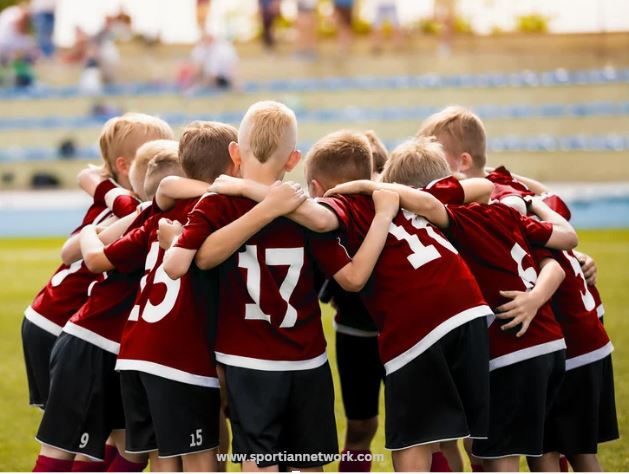
Spring arrives. Young athletes lace up their shoes. And across communities, one event brings them all together.
Springwaltersevent is a seasonal sports gathering built around youth athletics. Think jumping, running, and field competitions. Think energy, cheering crowds, and kids chasing their personal bests.
But it is more than just a meet. Springwaltersevent has become a cultural moment for youth sports. It builds habits, builds communities, and builds athletes who carry those lessons far beyond the finish line.
If you want to understand what this event is really about, where it came from, and why people keep talking about it, you are in the right place.
A Brief History of Springwaltersevent
Springwaltersevent did not start as something grand. It grew out of a simple idea. Communities wanted a way to celebrate young athletes during the spring season, when outdoor training peaks and school sports programs hit full stride.
Early versions of the event were local and informal. Small towns organized field days. Schools ran track meets. Community parks filled up with families cheering on kids in jumping and sprinting events.
Over time, those scattered gatherings started to take shape as something more unified. Organizers recognized the demand. Parents showed up in bigger numbers. Athletes started training specifically for this type of spring competition.
That momentum turned a casual spring tradition into a recognized seasonal event. Now Springwaltersevent is associated with structure, spirit, and serious athletic development.
Roots and Origin: Where It All Started
The roots of Springwaltersevent trace back to outdoor athletic traditions that go way back in sports culture. Track and field has always been a spring sport. The season aligns naturally with longer days, warmer weather, and peak physical output.
Youth field days have existed for over a century in American schools. They mixed competition with fun. Kids raced, jumped, and threw things. Adults cheered. Communities bonded. That spirit never went away.
Springwaltersevent taps into that same energy but adds a modern framework. It draws on the science of explosive speed and athletic development. Organizers design competitions to challenge real athleticism, not just raw effort.
The name itself signals the seasonal purpose. Spring. Walters, a reference to athletic heritage and traditional field event culture. Event, because this is a happening, not just a drill or a practice.
What Springwaltersevent Really Means for Young Athletes
On the surface, it is a competition. Dig a little deeper and you see something more valuable.
Springwaltersevent is a proving ground. Young athletes get to test what months of work has produced. A kid who spent the winter grinding on core training or building their jump height finally gets to see the result in a real setting.
That feedback loop matters. Sports science consistently shows that competitive experience accelerates development faster than practice alone. Kids learn how to manage nerves. They learn how to compete. They learn how to lose and come back.
Springwaltersevent also creates a sense of belonging. Youth sports can feel isolating, especially for kids who are not on elite travel teams. An inclusive, community-based event gives every athlete a stage.
That inclusion is not just good optics. Research from major university sports programs suggests that broad youth participation in athletics correlates with better long-term physical health and lower dropout rates in sports overall.
The Debate: Is Springwaltersevent Doing Enough?
Not everyone agrees on how Springwaltersevent is run or what it prioritizes. That debate is worth having.
Some coaches and parents feel the event leans too far into fun and not far enough into structured competition. They want more standardized scoring, clearer qualifying benchmarks, and higher stakes for top performers. Their argument is that soft competition does not prepare kids for the real demands of athletics.
Others push back hard on that take. They argue that youth sports already suffer from over-specialization and burnout. Pushing harder rankings into a spring community event risks squeezing out kids who are still finding their footing. Participation matters more than placement at this age.
There is a third group watching the physical preparation side closely. Some sports trainers point out that kids show up to Springwaltersevent without adequate mobility work or injury prevention training. A few weeks before a jumping and running event is not the time to start thinking about recovery. That preparation has to happen months in advance.
The honest answer is that all three sides have a point. The event can raise its standards without becoming a pressure cooker. And athletes need better year-round preparation to make the most of it.
What the Results Tell Us
Look at participation trends in spring youth athletics and the numbers are encouraging. More kids are showing up. More communities are hosting events. More parents are reporting that their children developed a lasting interest in track and field through seasonal competitions exactly like Springwaltersevent.
Performance data also tells a story. Athletes who participate in structured spring events tend to show measurable gains in speed, jump height, and endurance compared to kids who only train without competitive exposure. The combination of strength exercises and actual competition creates an environment where growth accelerates.
Injury rates remain a concern worth monitoring. Jumping events, in particular, put stress on knees and ankles. Young athletes who have not built proper form before competing face real risk. Good Springwaltersevent programs are starting to build warm-up requirements and form checks into their structure. That shift is positive.
On the social side, community feedback consistently rates these events as high-value experiences. Families report stronger connections to local sports programs after attending. That community buy-in feeds long-term athletic participation across the board.
Conclusion: Why Events Like This Shape Sports Culture
Youth sports are in a complicated moment right now. Travel teams dominate. Costs are rising. Burnout is real. Access is unequal.
Springwaltersevent represents something different. It is seasonal, accessible, and community-driven. It asks young athletes to show up and compete in basic human movements. Run. Jump. Throw. Those fundamentals never go out of style.
Events like this keep the joy in youth sports. They remind kids why they started. They give athletes without elite resources a real competitive experience. And they give coaches and parents a shared moment to rally around.
If you want to prepare a young athlete to make the most of an event like this, start early. Build their vertical jump. Work their speed. Prioritize mobility. Make sure recovery is built into the plan, not treated as an afterthought.
Springwaltersevent is not the Olympics. But for the kids competing, it might feel like it. That feeling is worth protecting.