
Team Collaboration · Sports Scheduling · Digital Fixtures Management
Let’s be real for a second. If you’ve ever been part of a sports team, you know the chaos that comes before a big fixture. Someone didn’t see the schedule. Someone showed up to the wrong field. The coach sent the game plan through three different apps and half the team missed it. The group chat is a mess of memes and nobody knows what time kickoff actually is.
That’s not a talent problem. That’s not a commitment problem. That’s a communication problem. And Mansutfer exists precisely because that problem has been ignored for way too long.
Mansutfer is a digital space where sports team members come together to plan, discuss, and prepare for upcoming fixtures and schedules. Think of it as the team’s home base online. Not a general social media page. Not a random group chat. A focused, organized corner of the digital world that belongs entirely to the team and everything they need to show up ready.
What Is Mansutfer?
The name says a lot if you know how to read it. Man as in the group, the people, the collective. Sutfer from the idea of surfing through information together, riding the same wave at the same time. Put it together and you get a picture of a team moving through the noise of modern sports life as one unit, all looking at the same screen, all on the same page.
But Mansutfer isn’t just a catchy name. It’s a response to a real and growing gap in how amateur and semi-professional sports teams actually function in 2026. Most teams today are technically organized. They have coaches, training sessions, fixture lists, and team jerseys. But beneath all of that, the day to day coordination is still happening through scattered WhatsApp messages, Google Docs that nobody updates, and word of mouth that gets twisted somewhere between the captain and the last person on the bench.
Mansutfer steps into that gap and says there is a better way to do this.
If your team is working on building physical readiness alongside better coordination, 10 Most Important Strength Exercises Every Athlete Should Master is a solid place to start building a shared training culture alongside your Mansutfer planning.
The Problem With How Teams Communicate Right Now
Before you can appreciate what Mansutfer offers, you have to understand how broken most team communication actually is. And honestly, it’s not anybody’s fault. It’s just that the tools most teams use were never designed for sports coordination in the first place.
WhatsApp groups work fine for casual chat but fall apart fast when you need to track who has confirmed attendance, who is injured, and what the updated kickoff time is after the venue changed. Email threads are even worse. By the time a coach has sent three updates and two players have replied with questions, finding the actual confirmed schedule takes longer than the warm-up.
Spreadsheets help a little. But they require someone to maintain them, someone to remember to share them, and everyone else to actually open them before showing up somewhere wrong.
The result is that teams spend a shocking amount of mental energy just trying to stay organized. Energy that should go into preparing for the fixture instead goes into figuring out when and where the fixture even is. That’s a waste of talent, effort, and time that nobody in competitive sports can afford.
How Mansutfer Actually Works
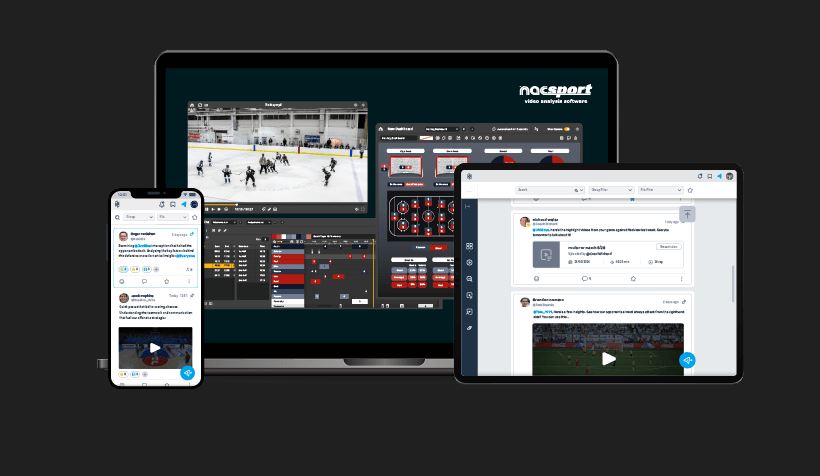
Mansutfer brings everything under one roof. Not a complicated roof. A clean, simple, sport-specific one that is built around how teams actually think and talk.
At its center is the fixture board. This is where upcoming matches, tournaments, training sessions, and travel schedules all live in one visible place. Every team member can see it. Every update happens in real time. If the venue changes on a Thursday night, nobody finds out about it by accident on Saturday morning. The board updates, everyone sees it, and the team moves on without the usual scramble.
Alongside the fixture board is the availability tracker. Before each game or training session, players confirm whether they’re in or out. Coaches can see at a glance whether they have a full squad, who is unavailable due to injury, and who still hasn’t responded. This sounds simple because it is simple. But having it in one dedicated place instead of buried in a chat thread changes everything about how a team prepares.
Then there is the game plan space. This is where the real collaboration begins. Coaches can upload tactical notes, formation ideas, and video clips. Players can respond, ask questions, and share their own thoughts before the team even steps onto the field. By the time everyone arrives at the ground, the conversation has already started. The warm-up isn’t the first time players are thinking about the game. It’s the continuation of a discussion that began days earlier in Mansutfer.
Recovery plays into preparation too. A team that understands rest as part of the game plan is a smarter team. Why Recovery Is More Important Than Training is worth sharing through your Mansutfer game plan space before any high-intensity fixture week.
Who Is Mansutfer For?
This is a fair question and the answer is broader than you might expect.
Mansutfer is obviously useful for organized amateur football clubs, basketball teams, and weekend leagues where coordination is the biggest recurring headache. But it goes further than that.
College athletic teams dealing with complex academic and training schedules find real value in having a single place where the whole group is always up to date. Youth sports clubs, where parents, coaches, and young players all need to stay aligned on logistics, benefit enormously from the kind of clear fixture visibility Mansutfer provides. Even esports teams planning tournament schedules and scrimmage sessions use the same kind of digital coordination space because the need is universal. Competing together requires communicating well first.
The idea also fits naturally into the growing world of sports mobile platforms. As teams become more comfortable managing their athletic lives through their phones, Top 5 Sports Mobile Games in 2026 shows just how much the mobile sports space has grown, and Mansutfer sits right alongside that shift.
The Collaboration Side of Mansutfer
Here is where Mansutfer separates itself from a simple scheduling app. Because real team collaboration is not just about knowing when to show up. It’s about building shared understanding before you get there.
The best sports teams in the world, at every level, share one thing in common. They think together before they play together. The game plan isn’t handed down from the coach like a memo. It’s built through conversation, through questions, through players understanding not just what their role is but why that role matters in the context of what everyone else is doing.
Mansutfer creates space for that kind of conversation to happen digitally, asynchronously, across the week leading up to a fixture. A midfielder can post a question about defensive positioning on Tuesday. The coach can respond with a short video clip on Wednesday. By Thursday, three other players have weighed in with their own observations. By Saturday, the team steps onto the pitch with a shared mental picture of the game that no last-minute huddle could ever fully create.
That is collaboration in the real sense of the word. Not just information sharing but genuine joint preparation.
Speed and tactical movement are easier to coordinate when the whole team understands the plan well in advance. How to Build Explosive Speed is a great resource to share within Mansutfer’s game plan space when preparing for high-pressure fixtures.
Mansutfer and the Culture of a Team
Something interesting happens when a team starts using a space like Mansutfer consistently. The culture shifts.
When everyone is looking at the same fixture board and contributing to the same game plan space, the gap between the vocal players and the quiet ones starts to close. The player who would never speak up in a face to face meeting finds it easier to type a thought at midnight after watching a match clip. The coach who struggles to reach everyone during a busy training week can post a quick tactical note that every single player sees before the next session.
Over time, Mansutfer becomes more than a scheduling tool. It becomes the place where the team’s identity lives between games. Where shared language gets built. Where trust grows through small, consistent acts of communication that add up to something much bigger by the time the whistle blows.
Nutrition and physical preparation are also part of that shared culture. When a team decides together that proper fueling matters, How Much Protein Do Athletes Really Need becomes a resource the whole squad can get on the same page about, right inside their Mansutfer space.
Why Digital Collaboration in Sports Is Overdue
Every other area of organized human activity has already figured out that digital collaboration tools change everything. Business teams have Slack and Notion. Creative teams have Figma and shared workspaces. Project managers have tools that keep entire organizations aligned across time zones and departments.
Sports teams, especially at the grassroots and amateur level, have largely been left behind in all of this. The assumption has been that sport is physical and therefore the coordination can stay old-fashioned. But that assumption has a cost. It shows up in missed fixtures, confused players, preventable injuries from poor preparation, and a general sense of disorganization that affects team morale even when nobody talks about it directly.
Mansutfer is part of a bigger shift in how sports communities think about the digital side of their game. Because showing up physically ready is only half of it. Showing up mentally aligned, tactically informed, and logistically sorted is the other half. And that second half lives in the digital corner that Mansutfer was built to be.
Proper movement foundations matter too. A team using Mansutfer to coordinate their preparation will get even more out of sessions focused on fundamentals like proper squat form and pull-up progression when everyone arrives at training knowing exactly what to expect.
What Makes Mansutfer Different From Just Another Group Chat
This is the question worth sitting with. Because on the surface, someone will always ask: why not just use a group chat? Why not just make a better WhatsApp group or a more organized Discord server?
The answer is focus. A group chat is for everything. Mansutfer is for one thing. And that specificity changes the behavior of everyone inside it.
When you open a group chat, you’re entering a social space. There are jokes, off-topic messages, reactions to things unrelated to the upcoming fixture, and the very human tendency to let important information get buried under noise. When you open Mansutfer, you’re entering a sports workspace. Your brain shifts into a different mode. You’re there to check the fixture, confirm your availability, review the game plan, or contribute to the team conversation about the next match.
That context switch matters more than it sounds. The teams that win consistently at every level of sport are the ones who treat preparation as seriously as performance. Mansutfer is the digital tool that makes that seriousness possible without making it feel like work.
Lastly
Sports have always been about people moving together toward a shared goal. Every great team moment, every famous comeback, every perfectly executed play, all of it started with people getting on the same page before they ever took the field.
Mansutfer is simply the modern, digital version of that age-old process. It’s the place where a team gathers before they gather. Where the plan gets built before the boots go on. Where communication stops being chaos and starts being coordination.
If your team is still figuring out the fixture time through a group chat that’s three hundred messages deep, you already know you need something better. Mansutfer is that something better. And once a team finds it, going back to the old way stops making any sense at all.
Filed under: Sports Team Collaboration · Digital Fixtures · Team Scheduling · Sports Technology · Grassroots Football